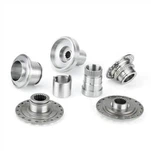
Stainless Steel, often abbreviated as stainless, refers to steel varieties that are resistant to weak corrosive media such as air, steam, and water, or possess stainless properties; whereas steel varieties that resist corrosion from chemical corrosive media (such as acid, alkali, and salt chemical immersion) are termed acid-resistant steel.
Stainless steel refers to steel that is resistant to corrosion from weak corrosive media like air, steam, and water, as well as from chemically corrosive media such as acid, alkali, and salt. It is also known as stainless acid-resistant steel. In practical applications, steel that resists corrosion from weak media is commonly called stainless steel, while steel that resists chemical media corrosion is called acid-resistant steel. Due to differences in chemical composition, the former is not necessarily resistant to chemical media corrosion, while the latter generally possesses stainless properties. The corrosion resistance of stainless steel depends on the alloying elements contained in the steel.
Common Classifications:
Stainless steel is typically classified based on its microstructure into three categories:
Austenitic Stainless Steel: Known for its excellent formability and weldability, it is the most widely used type of stainless steel.
Ferritic Stainless Steel: Characterized by its magnetic properties and resistance to oxidation at high temperatures.
Martensitic Stainless Steel: Known for its strength and ability to be heat-treated, it is often used in applications requiring higher strength.
In addition to these three basic microstructural types, other variations such as duplex stainless steel, precipitation-hardening stainless steel, and high-alloy steels with less than 50% iron content have been developed to meet specific needs and purposes.