

Titanium Alloy CNC Machining Parts
What Is Titanium Alloy CNC Machining Parts?
Titanium alloy CNC machining parts refer to precision parts made from a titanium alloy using a computer numerical control (CNC) machining process. These parts are designed to meet specific dimensional and functional requirements for use in various industries.Titanium alloy is a light, strong, and corrosion-resistant material that is ideal for aerospace, medical, automotive, and other high-performance applications. CNC machining, on the other hand, is a precision manufacturing process that uses computer-controlled machines to create complex and precise parts from raw materials.
Lightweight and high strength
Titanium alloy CNC machining parts are lighter in weight compared to traditional metals like steel and brass, making them ideal for aerospace and aviation applications. Despite being lightweight, they are also incredibly strong, making them suitable for parts that require high strength and durability.
Corrosion resistance
The titanium alloy is highly resistant to corrosion, oxidation, and other forms of chemical damage, making it perfect for parts exposed to harsh environments. They are also resistant to UV radiation, making them ideal for medical implants and outdoor equipment.
Biocompatibility
Titanium alloy is biocompatible, which means it doesn't react negatively with the human body or tissue. This quality makes it an excellent material for the manufacturing of medical implants such as bone plates, dental implants, and hip implants.
Excellent thermal and electrical conductivity
Titanium alloy has excellent thermal and electrical conductivity properties. This feature makes it suitable for use in heat exchangers, electrical components, and electronic components.
Machinability
Titanium alloy is easy to machine and shape using advanced CNC technology, making it ideal for manufacturing precision components with complex designs and tight tolerances.
Cost-effective
Titanium alloy CNC machining parts are cost-effective in the long run due to their durability and corrosion resistance. The material may be expensive initially, but it saves money over time as it reduces the need for replacement and maintenance.
-
 Titanium CNC Turning PartsTitanium can be alloyed with iron, aluminium, vanadium, and molybdenum, among other elements, toAdd to Inquiry
 -
 Titanium CNC Milling PartsTitanium is an advanced material with excellent corrosion resistance, biocompatibility, andAdd to Inquiry


- Tel: +8618021543605
- Fax: +86-25-58659205
- Email: cnmorong@yeah.net
- Email: sales@mrmachining.com
- Add: 28#, Taixi Rd, Pukou, Nanjing, Jiangsu, China
Why Choose Us
High quality
We take pride in the craftsmanship of our products and ensure that each one meets our strict standards for quality.
Professional team
The members of the team are highly skilled and proficient in their respective roles and possess the necessary education, training, and experience to excel in their jobs.
Delivery speed
Cost, quality and delivery speed are the three KPI of enterprise performance and business competition.
Quick response
We'll respond to all of your inquiries within a day. "Quality first, Customer supreme" is our motto.
Types of Titanium Alloy CNC Machining Parts
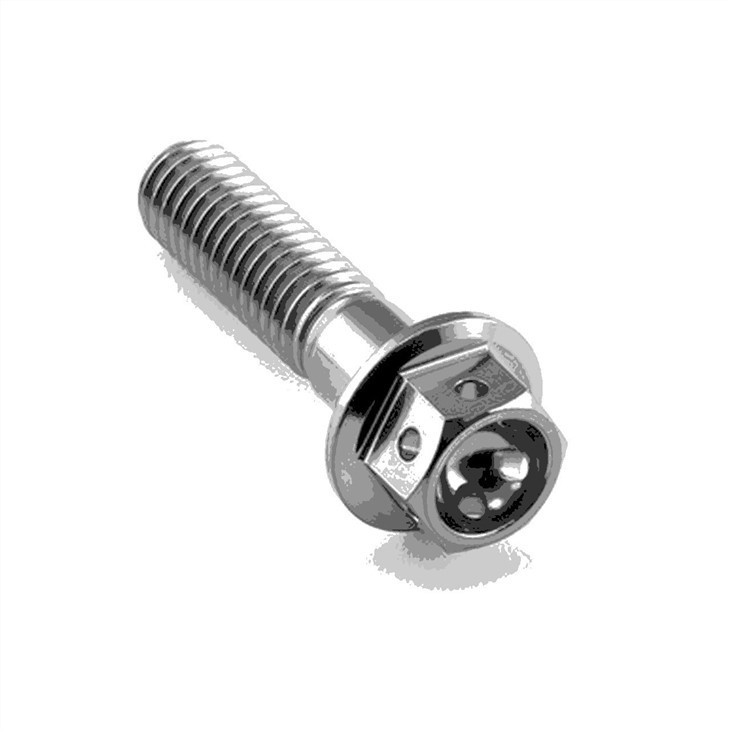
Titanium fasteners
These are small parts used to fasten or secure other parts of a larger assembly. They are typically used in aerospace, medical, and automotive industries. The most commonly used titanium alloy for fasteners is Ti-6Al-4V.
Titanium aerospace parts
These are parts used in the construction of airplanes, rockets, and other aerospace vehicles. They are made from high-strength titanium alloys such as Ti-6Al-4V and Ti-6Al-2Sn-4Zr-2Mo.
Titanium medical parts
These are parts used in medical devices such as implants and prosthetics. They must be biocompatible and corrosion-resistant. Titanium alloys such as Ti-6Al-4V ELI (Extra Low Interstitial) and Ti-6Al-7Nb are commonly used for medical applications.
Titanium sports equipment parts
These include parts used in the manufacture of sports equipment such as bicycles, golf clubs, and tennis rackets. They are typically made from high-strength titanium alloys for durability and performance.
Titanium marine parts
These are parts used in marine applications such as boats, ships, and offshore oil rigs. They require corrosion resistance and high strength to withstand the harsh marine environment. Titanium alloys such as Ti-6Al-4V and Ti-3Al-2.5V are commonly used for marine applications.
Titanium automotive parts
These include parts used in the manufacture of automobiles such as engine components, suspension parts, and exhaust systems. Titanium alloys such as Ti-6Al-4V and Ti-6Al-2Sn-4Zr-2Mo are often used for automotive applications due to their high strength-to-weight ratio and corrosion resistance.
Application of Titanium Alloy CNC Machining Parts
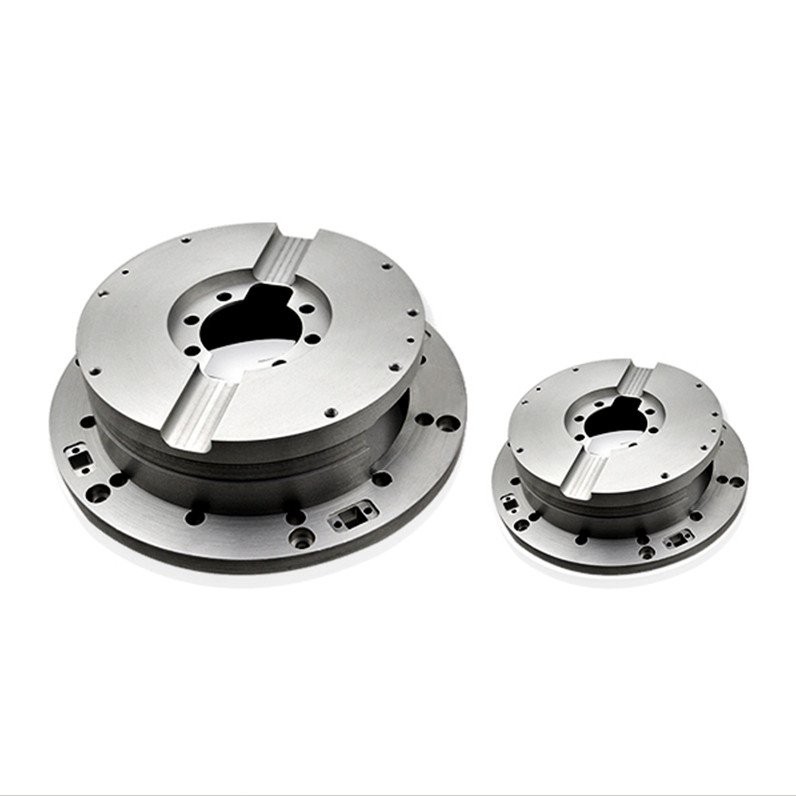
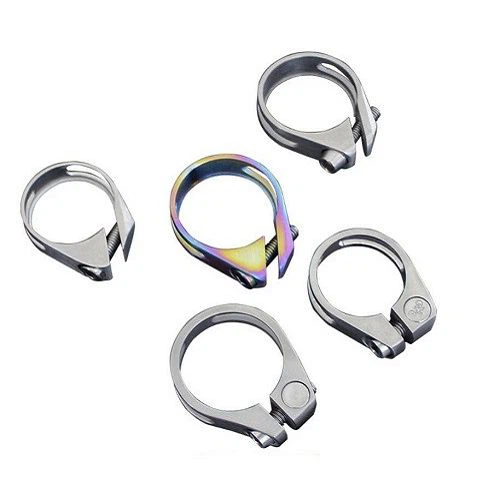

Aerospace
Titanium alloy CNC machining parts offer excellent strength-to-weight ratios and resistance to corrosion and high temperatures. Therefore, they are extensively used in the aerospace industry for applications such as jet engine components, aircraft structural components, landing gear parts, and more.
Automotive
Titanium alloy CNC machining parts are also utilized in the automotive industry due to their lightweight and high-strength properties. They are ideal for racing cars, which require high-performance components to enhance speed and reduce weight. Some examples of the automotive applications include exhaust systems, suspension systems, and brake calipers.
Medical
In the medical industry, Titanium alloy CNC machining parts are used for various medical implants and components. These parts have excellent biocompatibility, meaning they can be easily integrated into the human body without any adverse effects. Examples of medical applications include dental implants, bone plates, spinal implants, and more.
Marine
Titanium alloy CNC machining parts are also popular in the marine industry due to their corrosion-resistant properties. These parts are ideal for applications such as boat propellers, offshore drilling equipment, and more.
How Do You Install a Titanium Alloy CNC Machining Parts
Prepare the workspace
Before starting the installation process, it's essential to prepare the workspace. Ensure that the workspace is clean, well-lit, and free from any obstacles that could cause accidents. Also, make sure that you have all the necessary tools and equipment at hand. This includes tools like a torque wrench, pliers, spanners, and other tools necessary for the task.
01
Inspect the parts
Before installing the titanium alloy CNC machining parts, it's essential to inspect them thoroughly. Check for any signs of damage or defects that could affect their functionality. If there are defects, they must be addressed before proceeding with the installation process.
02
Perform assembly
Once you have inspected the parts, the next step is to perform assembly. Carefully follow the manufacturer's instructions to assemble the different parts of the titanium alloy CNC machining parts. This may involve using screws, bolts, and other fastening materials.
03
Tighten the parts
Once the parts are assembled, the next step is to tighten them. Use the torque wrench to ensure that the parts are tightened to the required specification. Avoid over-tightening the parts as this could cause damage to them.
04
Test the parts
The final step is to test the installed parts. Turn on the CNC machine and check if the installed parts are working correctly. If there are any issues, revise the installation or consult the manufacturer's instructions to address them.
05
Titanium alloy
The primary component of these CNC machining parts is the titanium alloy itself, which is a combination of titanium and other elements like aluminum, vanadium, and iron. These alloys possess excellent mechanical properties like high strength, toughness, and corrosion resistance.
Cutting tools
The cutting tools used in the CNC machining process play a crucial role in the quality of the finished product. They must be made from high-speed steel, cemented carbide, or diamond, and must be strong enough to cut through the hard titanium alloy without breaking or dulling quickly.
Coolants/lubricants
During the machining process, coolants or lubricants are used to reduce friction between the cutting tool and the titanium alloy. The fluid is usually a water-based solution or oil-based lubricant, which helps in cooling the cutting tool and the workpiece and reducing the possibility of heat-related cracking or distortion.
Precision measuring instruments
Precision measuring instruments like micrometers and gauges are used during the CNC machining process to measure the level of accuracy and precision of the cuts being made. These instruments are essential to ensure that the finished product meets the required specifications.
CNC machines
CNC machines are computer-controlled machines that are programmed to make precise cuts and shapes on the titanium alloy. The machines use sophisticated software to create and execute the machining plan, ensuring that the components come out exactly as needed.

Titanium alloy is a metallic material that is popularly used in CNC machining due to its excellent properties. It is an alloy that is made up of titanium, aluminum, and vanadium. This alloy is known for its exceptional strength, low weight, and excellent corrosion resistance. Furthermore, because it is a non-magnetic material, it is ideal for use in a wide range of applications, from aerospace, medical, and automotive to general engineering and high-performance hardware.
How to Maintain Titanium Alloy CNC Machining Parts
Cleaning
Regular cleaning is crucial to keep the titanium alloy parts free from contaminants or debris. Wipe them with clean, dry cloth or use mild soap or detergent solution to remove stubborn dirt, grime, or debris. Avoid using harsh chemicals or acidic cleaning agents that could damage the parts.
Lubrication
Proper lubrication is essential to ensure smooth functioning and minimize wear on moving parts. Use high-quality lubricants that are compatible with titanium alloy. Avoid over-lubrication as it can attract dust and dirt particles and cause clogs in the machinery.
Storage
Store the titanium alloy CNC machining parts in a clean, dry, and well-ventilated area to prevent rust or corrosion. Avoid exposing the parts to extreme temperatures, moisture, or direct sunlight, as it can affect the durability of the parts.
Inspection
Regular inspection of the parts is vital to detect any signs of wear, cracking, or corrosion. This can help prevent small issues from turning into bigger problems and ensure that the parts are working efficiently and safely.
Maintenance schedule
Develop a maintenance schedule that includes regular cleaning, lubrication, and inspection of the parts. This can help ensure that the parts are functioning correctly and performing to their full potential.
Titanium Alloy CNC Machining Parts are designed to machine complex shapes with precision and accuracy. The working principle of these parts involves the use of computer-controlled machines to cut and shape titanium alloy materials into specific forms. The CNC (Computer Numerical Control) machines used for titanium alloy CNC machining parts are typically equipped with a variety of cutting tools and can operate on multiple axes, including X, Y, and Z. This allows for precise and accurate cuts and shapes to be made in the material. During the CNC machining process, a computer program is loaded onto the machine, which contains the specific instructions for how to machine the part. This program includes information such as the cutting speed, depth of cut, and feed rate. Once the program is loaded, the machine moves the cutting tool along the surface of the titanium alloy material, removing small amounts of material at a time to achieve the desired shape and dimensions. The cutting tools used in titanium alloy CNC machining parts are typically made from tungsten carbide, which allows for high-speed cutting with minimal wear and tear.

What Types of Machines and Tools Are Used for Titanium Alloy CNC Machining
CNC machines
Computer Numerical Control (CNC) machines are used for precision control and accuracy during titanium alloy CNC machining. These machines are computer-controlled and use various tools to cut and shape the titanium alloy into the desired features. They offer a high level of control, accuracy, and efficiency in the machining process.
Cutting tools
The cutting tools used in titanium CNC machining are typically made from high-speed steel or carbide. They feature sharp edges and are designed to withstand the high temperatures generated during the cutting process. The cutting tools include drills, end mills, taps, reamers, and boring tools.
Coolants
Due to the low thermal conductivity of titanium, coolants are used to keep the temperature of the metal at acceptable levels during machining. The coolants help to prevent the titanium from overheating, which could result in damage to tools and machines and adversely affect the quality of the finished product.
Fixtures and clamps
Fixtures and clamps are used to securely hold the titanium alloy in place during machining. This helps to prevent any movement or vibrations during the machining process, which can result in inaccurate cuts or damage to the material.
Lathe machines
Lathe machines are used in titanium CNC machining to produce cylindrical or round-shaped components. The lathe machines rotate the titanium alloy around its axis while a cutting tool is used to shape and cut it into the desired sizes and shapes.
Abrasive materials
Abrasive materials such as diamond or cubic boron nitride (CBN) are used in titanium alloy CNC machining to achieve a smooth and precise finish to the machined parts. These materials are hard enough to withstand the toughness of titanium and can help to reduce the risks of burrs or rough edges in the finished product.
Our Factory
Nanjing Morong Machinery Technology is located in Nanjing City, Jiangsu Province, China. We are one of the leading professional manufacturers and exporters of custom precision CNC machining parts, integrating design, prototyping, mass production, assembly, sale and service under one roof.

FAQ
Q: What is titanium alloy CNC machining?
Q: What types of titanium alloys are used in CNC machining?
Q: What are the benefits of using titanium alloy for CNC machining?
Q: What are the challenges of CNC machining titanium alloys?
Q: What are the common applications for titanium alloy CNC machined parts?
Q: How does the cost of titanium alloy CNC machining compare to other materials?
Q: What are the tolerances that can be achieved with titanium alloy CNC machining?
Q: What types of CNC machines are used for machining titanium alloys?
Q: How is tool wear managed during titanium alloy CNC machining?
Q: What surface finishes can be achieved with titanium alloy CNC machining?
Q: Are titanium alloy CNC machined parts difficult to weld?
Q: What safety precautions should be followed when working with titanium alloys during CNC machining?
Q: What is the lead time for ordering titanium alloy CNC machined parts?
Q: What file formats are supported for submitting designs for titanium alloy CNC machining?
Q: Are there any restrictions on the size of titanium alloy parts that can be CNC machined?
Q: How is the quality of CNC machined titanium alloy parts ensured?
Q: What surface treatments can be applied to CNC machined titanium alloy parts?
Q: How does the hardness of titanium alloys affect CNC machining?
Q: What is the minimum order quantity for titanium alloy CNC machined parts?
Q: Can titanium alloy CNC machined parts be customized to specific requirements?
As one of the most professional titanium alloy cnc machining parts enterprises in China, we're featured by quality products and good service. Please rest assured to buy customized titanium alloy cnc machining parts at competitive price from our factory. Contact us for more details.
Titanium custom part, Titanium block, Titanium CNC Milling Parts