

CNC Machining Parts
What Is CNC Machining Parts?
CNC machining parts are precision components that are manufactured using Computer Numerical Control (CNC) technology, which involves the use of computer programs to control the movements of machines such as lathes, mills, and routers. These parts are commonly used in various industries, including aerospace, automotive, medical, and electronics, for their accuracy, efficiency, and speed of production. CNC machining parts can be made from a variety of materials such as metals, plastics, and composites, and can be customized to meet specific requirements and designs.
Precision and accuracy
CNC machines are capable of producing highly accurate and precise components with tight tolerances. The software used to control CNC machines allows for precise programming of the cutting tools, resulting in consistent and accurate parts.
Consistency
CNC machines are capable of producing the same parts over and over again with the same level of precision and accuracy. This level of consistency reduces the need for quality checks and saves time and money in the long run.
Versatility
CNC machines can be programmed to produce a wide variety of parts in different shapes and sizes. They can work with a range of materials, including metals, plastics, and composites, making them ideal for a variety of applications.
Efficiency
CNC machines are much faster than traditional machining methods, which means that parts can be produced in a shorter amount of time. This not only saves time but also reduces the overall cost of production.
Reduced waste
CNC machines are very efficient at minimizing waste material. The software used to control the machines can optimize the cutting process to reduce the amount of scrap material produced, resulting in cost savings and a more environmentally-friendly manufacturing process.
Improved safety
CNC machines are safer to operate than traditional machining equipment. The operator of the machine can remain at a safe distance from the cutting tools, reducing the risk of injury.
-
 CNC Machined Aluminium Plate, CNC Machining Aluminium Bra...CNC machined aluminium plate, CNC machining aluminium bracket, aluminium adapter, aluminiumAdd to Inquiry
 -
 CNC Machined Aluminium Door Handle, Copper Handle, Custom...Custom door handle, CNC machined door handle, aluminium handle, copper handle...Add to Inquiry
 -
 Beryllium Copper Part, Beryllium Copper Machined Part, Be...Beryllium Copper Alloys part, Beryllium Copper machined part, Beryllium Copper machining part,Add to Inquiry
 -
 Custom Amplifier Plate, CNC Machined Amplifier Panel, CNC...Custom amplifier plate, CNC machined amplifier panel, CNC machining amplifier plate, High End AudioAdd to Inquiry
 -
 Custom Lock Cylinder Parts, Lock Cylinder Accessories, Ke...Custom lock cylinder parts, lock cylinder accessories, key plug, key cylinder, key housingAdd to Inquiry
 -
 Custom Door Lock Plate, CNC Machined Lock Plate, Lock Hou...Custom door lock plate, CNC machined lock plate, lock housing, aluminium fingerprint lock plateAdd to Inquiry
 -
 CNC Machined Shaft, Pin Shaft, Custom Round Shaft, Worm S...CNC Machined Shaft, pin shaft, custom round shaft, worm shaft, gear shaft, tapered shaft, splineAdd to Inquiry
 -
 Micro Hole Drilling, Small Hole Drilling, Precision Small...Micro-drilling service is drilling small holes by starting diameter of 0.05 mm (0.002 inch) andAdd to Inquiry
 -
 Precision-manufactured Custom Cheap CNC Aluminum Stainles...Precision-manufactured Custom Cheap CNC Aluminum Stainless Steel Machine Parts Machining ServiceAdd to Inquiry
 -
 High Speed Motor Fan 3 4 5 Axis Cnc Machining Service Oem...Full-Vortex impeller, Open-Vortex impeller, Non-Clog impeller, Vortex impeller, Closed impeller,Add to Inquiry
 -
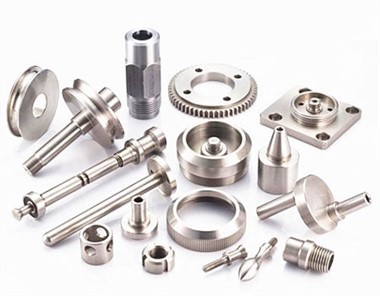 CNC Machined Precision Steel Parts CNC Turned Mill Manufa...CNC Machined Precision Steel Parts CNC turned mill manufacture serviceAdd to Inquiry
 -
 Aluminum Oem Custom Cnc Service Spare Parts MachiningThis part is made by die casting and then we complete it into final part by CNC milling. Its finalAdd to Inquiry


- Tel: +8618021543605
- Fax: +86-25-58659205
- Email: cnmorong@yeah.net
- Email: sales@mrmachining.com
- Add: 28#, Taixi Rd, Pukou, Nanjing, Jiangsu, China
Why Choose Us
High quality
We take pride in the craftsmanship of our products and ensure that each one meets our strict standards for quality.
Professional team
The members of the team are highly skilled and proficient in their respective roles and possess the necessary education, training, and experience to excel in their jobs.
Delivery speed
Cost, quality and delivery speed are the three KPI of enterprise performance and business competition.
Quick response
We'll respond to all of your inquiries within a day. "Quality first, Customer supreme" is our motto.
Types of CNC Machining Parts
Prototypes
These parts are produced to test a product's design before mass production. They can be made from different materials such as plastics, metals, and composites.
Frames and brackets
CNC machining is used to produce frames and brackets that provide structural support and mounting points for machines, equipment, and other applications.
Shafts and rods
These are long, cylindrical parts that are used in various applications such as engines, motors, and machines. They are produced with precise dimensions and tolerances to ensure optimal performance.
Enclosures
These are the protective coverings or casings that house machinery, electrical components, and other equipment. CNC machining is used to produce the intricate shapes and designs required for these parts.
Screws and fasteners
CNC machining is used to produce screws and fasteners that are used in different industries and applications such as construction, automotive, and aerospace.
Medical implants
CNC machining is also used to produce customized medical implants such as knee and hip replacements. These parts are produced with high precision and accuracy to ensure a perfect fit.
Application of CNC Machining Parts

Aerospace industry
CNC machining parts are extensively used in the aerospace industry for manufacturing complex parts and components. These parts are highly precise and require very tight tolerances. CNC machining can produce these parts with high accuracy and consistency.
Automotive industry
The automotive industry is one of the largest users of CNC machining parts. These parts are used in the manufacturing of engine parts, transmissions, and suspension systems. CNC machining ensures that these parts meet the strict quality standards required by the automotive industry.

Medical industry
The medical industry also relies heavily on CNC machining parts. These parts are used in medical devices, implants, and surgical tools. The high precision and accuracy of CNC machining ensure that these parts meet the strict safety and efficacy requirements of the medical industry.
Electronics industry
CNC machining parts are widely used in the electronics industry for manufacturing components such as circuit boards, connectors, and housings. These parts require high precision and accuracy to ensure the reliability and functionality of electronic devices.

How Do You Install a CNC Machining Parts


Identify the parts
Before starting the installation process, make sure you have all the required parts for your particular machine. You should have a detailed understanding of the parts and their functions, including any special considerations for installation.
Prepare the machine
Ensure that the machine is turned off and disconnected from power before starting any installation. Take the time to clean the work area and remove any debris or old parts that are no longer needed.
Remove old parts
Remove any old or damaged parts that need to be replaced. This typically involves removing screws, bolts or other connectors holding the part in place.
Install the new parts
Place the new part in the correct position, taking care not to damage it during installation. Use any necessary screws, bolts or connectors to secure the new part in place, taking care not to over-tighten them.
Check for alignment
Verify that all parts are aligned and properly positioned. Use a level or other measuring tool to check for accuracy and adjust as needed. It is critical that all parts are properly aligned to ensure the smooth operation of the machine.
Connect the electrical
Once the parts are installed, connect all electrical connections, including any sensors, switches or other components. Verify that all connections are properly secured and free from any short circuits or other problems.
Test the machine
Once everything is installed and connected, turn on the power and test the operation of your machine. Check for any errors or issues that may require further adjustment.
Components of CNC Machining Parts
CNC machine
The CNC machine can be configured for different types of machining processes like drilling, milling, turning, and more. The machine is designed with precision components like motors, gears, and linear slides that enable accurate and repeatable motion control.
Control software
This code includes information about the tool path, cutting speeds and feeds, and other parameters necessary for the machine to execute the design accurately and efficiently. The control software may allow for manual adjustments and overrides during runtime, as well as advanced features such as tool compensation, multi-axis control, and simulation modes.
Cutting tool
The cutting tool is typically made of high-speed steel, carbide, or other special materials that can withstand the high temperatures and pressures generated during machining. It is mounted on a spindle or tool holder, which rotates it at high speeds and feeds it into the workpiece at the desired rate.
Workholding device
The workholding device is an essential element in machining operations as it ensures that the workpiece is held securely and precisely throughout the machining process. The type of device used depends on the size, shape, and material of the workpiece, as well as the type of machining operation being performed.
Coolant system
The coolant system typically consists of a coolant tank, pump, and a series of nozzles or hoses that direct the coolant to the cutting tool and workpiece. The coolant may be a liquid, such as water or oil, or a gas, such as air or nitrogen.
Sensors and feedback systems
These are systems that provide feedback to the CNC machine about the machining process. This includes measuring the position of the cutting tool, detecting the presence of the workpiece, and monitoring the temperature and pressure of the coolant system.

Other materials commonly used for CNC machining parts include plastics, such as ABS, acrylic, nylon, and polycarbonate. These materials are lightweight, versatile with excellent resistance to impact, heat, and chemicals. Plastics are also easy to machine, making them ideal for applications where precision and accuracy are crucial. In addition to metals and plastics, other materials can also be used for CNC machining parts, depending on the application. For example, CNC-machined parts made from wood or composite materials, such as carbon fiber, can be used in aerospace and automotive applications, where strength and lightness are critical factors.
This technology can be used to create a wide range of intricate and complex parts and components from a variety of materials, including metals, plastics, composites, and wood. Metals are the most commonly used materials in CNC machining due to their strength, durability, and resistance to wear and tear. Some of the most popular metals used in CNC machining include aluminum, brass, copper, stainless steel, and titanium. Plastics are also widely used in CNC machining due to their versatility, light weight, and low cost. Common plastic materials include acrylic, polycarbonate, PVC, and nylon. Composites are a combination of two or more materials, such as glass fiber or carbon fiber reinforced thermoplastics or thermosetting polymers. They have become increasingly popular in aerospace, automotive, and construction industries due to their strength, stiffness, and low weight. Wood is another material that can be used in CNC machining. Hardwoods such as oak, maple, and mahogany are commonly used for decorative or functional parts in furniture, cabinets, and musical instruments.

How to Maintain CNC Machining Parts
Regular cleaning
Keeping the CNC machining parts clean is essential for preventing the buildup of dirt and debris, which can negatively impact the system’s performance. Use a soft brush or compressed air to remove debris from the machine’s internal components to prevent clogs.
01
Lubrication
Lubricating CNC machining parts is an important aspect of its maintenance regimen as it reduces friction between moving parts and prolongs their lifespan. Make sure to use the right type of lubricant as recommended by the manufacturer to ensure optimal performance.
02
Calibration
The calibration of CNC machining parts is necessary to ensure that the system is functioning correctly and at peak performance. Consistent calibration of all parts, including the spindle, fixtures, and tool changers, will help to ensure that the machine produces high-quality products.
03
Inspection
It’s crucial to inspect CNC machining parts routinely to detect any signs of damage or wear and tear before they cause system failure. Prompt replacement or repair will help avoid costly repairs down the line.
04
Preventive maintenance
Proactive maintenance is a surefire way to prevent unplanned downtime and increase the lifespan of CNC machining parts. Create a maintenance routine and schedule it regularly to help increase the efficiency of the system.
05

What is the working principle of an CNC Machining Parts
The working principle of CNC-machined parts is based on the manipulation of machines using a computer that controls the movements of the cutting tools. The CNC machine reads the instructions in the computer program and uses this information to move the cutting tools in precise motions to shape the material being worked on. In CNC machining, the work piece is held in place by a vice or clamp, and the cutter is guided by computer-controlled movements. The cutter can move along multiple axes, allowing for the creation of complex shapes and designs. The CNC machine can produce a high level of accuracy and precision, making it a popular tool for the manufacturing of parts for various industries, including aerospace, automotive, and medical. Additionally, CNC machining allows for the production of parts on a large scale, making it a cost-effective manufacturing method.

How Precise Are CNC Machined Parts
The precision of CNC machined parts depends on several factors, including the quality of the machine, the tooling used, and the expertise of the operator. Generally, CNC machines are capable of producing parts within a tolerance range of +/-0.005mm to +/-0.025mm depending on the complexity of the part and the type of material being used. CNC machining offers several benefits over traditional machining techniques, including greater accuracy, efficiency, and repeatability. Due to their high degree of precision, CNC machines can produce parts with complex shapes and features that would be difficult, if not impossible, to achieve using other manufacturing processes. In addition to their precision, CNC machined parts are also highly consistent and require minimal to no post-processing. CNC machines can produce numerous identical parts with the same level of accuracy and quality, which is essential in industrial and manufacturing settings where consistency and repeatability are critical.
Our Factory
Nanjing Morong Machinery Technology is located in Nanjing City, Jiangsu Province, China. We are one of the leading professional manufacturers and exporters of custom precision CNC machining parts, integrating design, prototyping, mass production, assembly, sale and service under one roof.

FAQ
Q: What is CNC machining?
Q: What materials can be used in CNC machining?
Q: What types of parts can be machined using CNC technology?
Q: What are the advantages of CNC machining?
Q: What is the difference between CNC milling and CNC turning?
Q: What is the maximum size of parts that can be machined using CNC technology?
Q: How long does it take to produce a CNC machined part?
Q: What is the quality assurance process for CNC machined parts?
Q: What is the tolerance level for CNC machined parts?
Q: Can CNC machining be used for prototyping?
Q: What CAD formats are supported by CNC machining software?
Q: What is the process for preparing a part design for CNC machining?
Q: Can CNC machining be used for both small and large production runs?
Q: What kind of finish can be achieved using CNC machining?
Q: What is the cost of producing a CNC machined part?
Q: What is the level of accuracy and precision that can be achieved with CNC machining?
Q: What is the lead time for producing CNC machined parts?
Q: What is the process for ordering CNC machined parts?
Q: What kind of design changes are possible when using CNC machining?
Q: What is the maintenance required for CNC machines?
As one of the most professional cnc machining parts enterprises in China, we're featured by quality products and good service. Please rest assured to buy customized cnc machining parts at competitive price from our factory. Contact us for more details.
efficient hydro turbine