

Water Turbine
What Is Water Turbine?
A water turbine is a mechanical device that uses the power of moving water to generate electrical or mechanical energy. It consists of a rotor with blades which are turned by the water flow, and a generator which converts the rotational energy into electricity. There are several types of water turbines, including Francis, Pelton, Kaplan, and Crossflow turbines, which are used in different settings depending on the water flow rate and other factors. Water turbines are commonly used in hydroelectric power plants and other renewable energy sources to generate electricity.
Renewable energy source
Water is a renewable energy source, which means that it can be used for hydroelectric power generation as long as there is flowing water. Unlike fossil fuels, water is a natural and sustainable resource that does not produce harmful emissions when used for energy production.
Low operating costs
Once a water turbine has been installed, it has relatively low operating costs compared to other forms of energy production. There are no fuel costs associated with running a water turbine, and the maintenance costs are minimal.
High efficiency
Water turbines have a high efficiency rate, which means that they can convert a large amount of the kinetic energy of flowing water into useful mechanical energy. This makes them ideal for energy production, as they can generate significant amounts of electricity with relatively small amounts of water.
Can be installed in various locations
Water turbines can be installed in a wide range of locations, including rivers, streams, and canals. This means that they can be used to generate electricity for communities located near water sources, without requiring the construction of expensive power lines to transport electricity from a centralized location.
Scalable technology
Water turbines are scalable technology, which means that they can be used for small-scale or large-scale energy production. This makes them ideal for use in rural areas, as they can be used to generate electricity for individual homes or small communities.
-
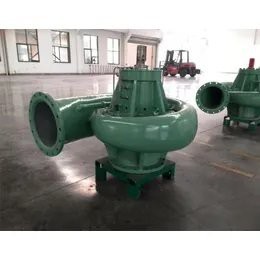 Cooling Tower Water Turbine-energy SavingThe conventional cooling tower contain motors, reducers, drive shafts and other components to runAdd to Inquiry


- Tel: +8618021543605
- Fax: +86-25-58659205
- Email: cnmorong@yeah.net
- Email: sales@mrmachining.com
- Add: 28#, Taixi Rd, Pukou, Nanjing, Jiangsu, China
Why Choose Us
High quality
We take pride in the craftsmanship of our products and ensure that each one meets our strict standards for quality.
Professional team
The members of the team are highly skilled and proficient in their respective roles and possess the necessary education, training, and experience to excel in their jobs.
Delivery speed
Cost, quality and delivery speed are the three KPI of enterprise performance and business competition.
Quick response
We'll respond to all of your inquiries within a day. "Quality first, Customer supreme" is our motto.
Types of Water Turbine
Pelton turbine
The Pelton turbine is a high-head turbine designed for use with high-pressure water. It is the most commonly used hydraulic turbine in small and medium-sized hydropower plants. This turbine uses the impact of a high-speed jet of water to rotate the blades of a wheel, driving a generator to produce power.
01
Francis turbine
The Francis turbine is a low-to-medium head turbine and is one of the most widely used water turbines in the world. This type of turbine is suitable for use with moderate water pressure, making it ideal for use in hydroelectric power plants in rivers or high-altitude areas. The Francis turbine operates by using a combination of impulse and reaction forces to drive the turbine blades.
02
Kaplan turbine
The Kaplan turbine is a low-head turbine that was originally designed for use in tidal power plants. This type of turbine is particularly well-suited for use with low-pressure water, making it an excellent choice for large-scale hydropower plants. The Kaplan turbine has adjustable blades, which allow it to be optimized for different water flow rates.
03
Turgo turbine
The Turgo turbine is a high-head turbine with a unique design that allows it to generate power from high-velocity water. The Turgo turbine uses a series of buckets, arranged in a circular fashion, to capture the kinetic energy of water droplets as they flow over the turbine blades. This type of turbine is used in small and medium-sized hydropower plants, particularly in mountainous regions.
04
Cross-flow turbine
The Cross-Flow turbine is a low-head turbine that utilizes the flow of water across the turbine blades to generate power. This type of turbine operates with high efficiency over a wide range of water flow rates, making it a popular choice for many hydropower plant applications.
05
Application of Water Turbine

Hydropower generation
Hydropower generation is the primary application of water turbines. Hydroelectric power plants use the kinetic energy of falling water to turn turbines and produce electricity. There are two main types of hydroelectric power plants: run-of-river and storage power plants. Run-of-river plants use the natural flow of a river to turn the turbines, while storage power plants use a dam to store water and regulate the flow to produce electricity as needed.
Irrigation and water management
Water turbines are also used for irrigation and water management. They can be used to pump water from wells or underground sources for irrigation or to transfer water from one location to another. They can also be used to control water levels in reservoirs, lakes, and rivers, ensuring a reliable supply of water for drinking, agriculture, and industry.
Flood control
Water turbines can be used to provide flood control and prevent damage from extreme weather events. They can be used to regulate water levels in rivers and reduce the risk of flooding. They can also be used to divert excess water away from populated areas and prevent damage from floods.
Industrial applications
Water turbines are used in many industrial applications, such as pulp and paper production, mining, and chemical manufacturing. They can be used to power machinery and equipment, generate electricity, or purify water. They are also used in wastewater treatment plants to generate electricity from the organic matter in wastewater.
Marine applications
Water turbines are used in marine applications, such as tidal and wave energy generation. Tidal turbines use the kinetic energy of moving water caused by tidal currents to generate electricity, while wave energy systems use the power of waves to drive generators and produce electricity.
Choose the location
The first step is to choose the best location for your water turbine. Ideal locations are those that have access to a flowing stream or river with a steady water flow and a sufficient vertical drop. You should also consider the proximity to your electrical grid and the availability of permits and permissions from your local authorities.
Calculate energy needs
Determine the energy needs of your home or business and calculate how much energy your turbine will need to generate to meet those needs.
Choose a turbine
Select the right turbine for your site. There are two basic types of water turbines: impulse turbines and reaction turbines. Impulse turbines are used for high head, low flow sites while reaction turbines are used for low head, high flow sites.
Install the turbine
Once you have selected the turbine, you can start the installation process. Start by preparing the site and pouring the concrete foundation for the turbine. You should also install the penstock, which is the pipe that will bring the water from the stream or river to the turbine.
Install the turbine house
Build the turbine house, which will house the generator and other electrical equipment. The house should be designed to protect the equipment from the elements and to provide easy access for maintenance and repairs.
Install the generator
Mount the generator in the turbine house and connect it to the turbine. Make sure the wiring is installed correctly and that the generator is grounded to prevent electrical shock.
Connect to the grid
Finally, connect the generator to your electrical grid. This may require a permit from your local utility company to ensure that the system is safe and compliant with local regulations.
Components of Water Turbine
Runner
The runner is the heart of the water turbine. It is the part that interacts with the water flow and converts the kinetic energy of the water into rotational mechanical energy. The runner consists of blades or buckets that are curved to best utilize the energy of the water flow.
Shaft
The rotational mechanical energy generated by the runner is transferred to the generator through a shaft. The shaft is a long metallic rod that connects the runner to the generator. It must be strong enough to withstand the torque and rotation of the runner.
Generator
The generator is the device that converts the mechanical energy into electrical energy. It works on the principle of electromagnetic induction and uses a rotor and stator to make electricity.
Inlet and outlet
The inlet is the opening through which water enters the turbine, while the outlet is the opening through which water is discharged after it has passed through the turbine. These openings must be optimized to create the maximum water flow rate through the turbine.
Bearings
The runner and shaft are supported by bearings. Bearings are metallic components that reduce the friction between the runner and the shaft, allowing the turbine to rotate more efficiently.
Casing
The casing is the outer covering of the turbine. It helps to contain the water flow and directs it towards the runner. The casing is made of metal or concrete and must be designed to withstand the pressure of the water.
Material of Water Turbine
Blades or vanes
The blades or vanes of a water turbine are the primary component responsible for harnessing the energy of water. They are usually made of high-strength metals, such as stainless steel, bronze, or aluminum, or composite materials like carbon fiber. The choice of material depends on the specific application of the turbine, such as the speed of the water, the type of water, and the operating temperature.
Rotor
The rotor is the rotating component of a water turbine that contains the blades or vanes. It is usually made of high-strength steel or iron to provide structural support and resist corrosion. The rotor is connected to the shaft of the turbine and spins as water flows through the blades or vanes.
Shaft
The shaft of a water turbine is responsible for transferring the rotational energy from the rotor to an electrical generator. It is usually made of high-strength steel or iron and designed to withstand the high torque and stresses of the turbine.
Gears
Gears are used in some types of water turbines to increase the speed of the rotation between the rotor and the generator. They are usually made of high-strength steel or forged alloys to withstand the high stresses and loads.
Casing
The casing of a water turbine provides support and protection for the internal components of the turbine. It is usually made of cast iron or stainless steel and designed to resist corrosion and erosion caused by water flow.
How to Maintain Water Turbine
Cleaning
Regular cleaning of the water turbine is necessary to prevent debris and other contaminants from entering the system. Over time, sediment and other debris can accumulate, which can significantly reduce the efficiency of the turbine. So, you should regularly clean the intake screen and wicket gates. This will help to maintain the turbine's efficiency and prevent damage to the system.
Lubrication
Proper lubrication is essential to keep the water turbine running smoothly. Lubricants reduce friction in the system and prevent wear and tear. Experts recommend that you should lubricate the bearings and gearbox once every six months. However, if you notice any unusual noise or vibration, you should increase the frequency of lubrication.
Inspection
Regular inspection of the water turbine is necessary to identify any potential issues. Inspect the turbine's components for any signs of wear and tear, corrosion, erosion or fatigue. Check the bearings, seals, and other moving parts for any signs of damage and replace them if required.
Monitoring
Monitoring the turbine's performance is advisable to ensure that it is functioning correctly. Keep an eye on the turbine's speed, discharge, and power output. If the readings are lower than usual, it could be an indication of a problem.
Temperature
Ensure that the turbine runs at an appropriate temperature to prevent overheating. If the water flow rate is low, it can result in the turbine running at a higher temperature, which can cause damage to the system. Monitor the temperature of the turbine and ensure that it is within the manufacturer's recommended levels.
Regular maintenance
Regular maintenance of the water turbine is vital to ensure that it is operating at peak performance. Schedule regular maintenance activities such as cleaning, lubrication, inspection, and monitoring to keep the turbine in good condition and prevent problems.

The principle of a Water Turbine is based on the concept of hydroelectric power generation, which involves harnessing the energy of moving water to create electricity. A Water Turbine consists of multiple blades arranged in a circular pattern, typically made of metal or plastic and curved to resemble the shape of an airplane wing. The turbine is mounted on a shaft, connected to the generator. As water flows through the turbine, it exerts a force on the blades causing them to rotate. The rotation of the blades generates kinetic energy, which is then converted into mechanical energy and transferred to the generator, which uses it to produce electricity. The amount of electricity produced is dependent on the water's flow rate, the turbine's size and design, and the generator's efficiency. The higher the water's flow rate, the greater the amount of electricity produced.
Our Factory
Nanjing Morong Machinery Technology is located in Nanjing City, Jiangsu Province, China. We are one of the leading professional manufacturers and exporters of custom precision CNC machining parts, integrating design, prototyping, mass production, assembly, sale and service under one roof.

FAQ
Q: What is a water turbine?
Q: How does a water turbine work?
Q: What are the different types of water turbines?
Q: What is a Pelton turbine?
Q: What is a Francis turbine?
Q: What is a Kaplan turbine?
Q: What is a Cross-Flow turbine?
Q: What are the advantages of using water turbines?
Q: What are the disadvantages of using water turbines?
Q: Can a water turbine generate enough electricity to power a home?
Q: How long do water turbines last?
Q: How is a water turbine installed?
Q: What is the efficiency of a water turbine?
Q: How do you calculate the power output of a water turbine?
Q: Are there any environmental impacts of using water turbines?
Q: What are some examples of water turbines in use today?
Q: How much does it cost to install a water turbine?
Q: Can a water turbine be used in combination with other renewable energy sources?
Q: What are some common maintenance issues for a water turbine?
Q: How do you repair a water turbine?
As one of the most professional water turbine enterprises in China, we're featured by quality products and good service. Please rest assured to buy customized water turbine at competitive price from our factory. Contact us for more details.
small river turbines for electricity, vortex turbine, small hydro turbines