

Brake Parts
What Is Brake Parts?
Brake parts are components of a braking system that are responsible for slowing down or stopping a vehicle. These parts include brake pads, brake shoes, brake drums, brake rotors, calipers, brake lines, and brake fluid. Brake pads are located between the brake caliper and the rotor and create friction to slow down or stop the vehicle. Brake shoes function in the same way, but in drum brake systems. Brake drums are located on the rear wheels of some vehicles and are also involved in the braking process. Brake rotors are connected to the wheels and are responsible for slowing the vehicle down by applying pressure from the brake pads. Calipers hold the brake pads in place and apply pressure to the rotor. Brake lines carry brake fluid and create hydraulic pressure to activate the braking system. Brake fluid helps to transfer pressure from the brake pedal to the brake components. Together, these brake parts work together to ensure safe and effective braking.
Improved safety
Brake parts are crucial for ensuring the safety of the driver and passengers. Faulty brake parts can lead to brake failure, which can result in accidents, injuries, and fatalities. Quality brake parts provide reliable and consistent performance, ensuring that the driver can stop the vehicle when necessary.
Increased durability
Quality brake parts are designed to withstand the high temperatures and pressures generated during braking. They are made from high-quality materials that are resistant to wear and tear, providing long-lasting performance and durability.
Better performance
Quality brake parts provide better stopping power and reduce stopping distances. They are designed to provide a firm and responsive brake pedal feel, enabling the driver to apply the brakes smoothly and quickly.
Lower maintenance costs
Investing in quality brake parts can reduce maintenance costs in the long run. Quality brake parts require less maintenance, last longer, and provide better performance, thereby reducing the need for frequent brake repairs and replacements.
Improved resale value
A well-maintained braking system with quality brake parts can increase the resale value of a vehicle. Potential buyers consider a well-maintained braking system as a sign of a well-maintained vehicle.
-
 Titanium Brake BridgeTitanium Bicycle Frame Building Parts: Titanium Brake Bridges The titanium bicycle brake bridge isAdd to Inquiry
 -
 Titanium Post Mount - Rear BrakeMost of the Morong Machinery’s bicycle frame building parts are made in material of Titanium andAdd to Inquiry
 -
 Dropout Flat MountMaterial: 6061-T6 Aluminum, Titanium Grade5, Stainless Steel. Mount: Flat, Stand. Application:Add to Inquiry
 -
 Titanium Brake StudMaterial: Titanium Grade 5 (6Al4V Titanium), Stainless Steel…. Surface Treatment available:Add to Inquiry
 -
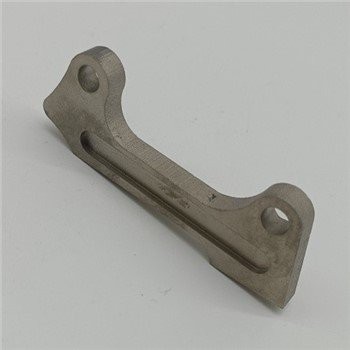 Titanium Disc Brake MountMaterial: Titanium Grade 5, we can also make caliper mount in material of stainless steel, steel….Add to Inquiry
 -
 Cable Shifter Adjuster ScrewMost of the Morong Machinery’s bicycle frame building parts are made in material of Titanium andAdd to Inquiry


- Tel: +8618021543605
- Fax: +86-25-58659205
- Email: cnmorong@yeah.net
- Email: sales@mrmachining.com
- Add: 28#, Taixi Rd, Pukou, Nanjing, Jiangsu, China
Why Choose Us
High quality
We take pride in the craftsmanship of our products and ensure that each one meets our strict standards for quality.
Professional team
The members of the team are highly skilled and proficient in their respective roles and possess the necessary education, training, and experience to excel in their jobs.
Delivery speed
Cost, quality and delivery speed are the three KPI of enterprise performance and business competition.
Quick response
We'll respond to all of your inquiries within a day. "Quality first, Customer supreme" is our motto.
Types of Brake Parts
Brake pads
Brake pads are the most important component of a car's braking system. They press against the brake rotors to slow or stop the wheels. They are made of asbestos-free organic materials, ceramic, or metallic components that wear down over time and need to be replaced periodically.
Brake rotors
Brake rotors are flat, circular metal discs that are mounted on each wheel hub. These discs provide a surface for the brake pads to grip and help in the process of stopping the vehicle. They are made of cast iron or ceramic composites and come in various sizes and thicknesses.
Calipers
Brake calipers hold the brake pads and are located around the brake rotor. They contain hydraulic pistons that push the brake pads against the rotor when you step on the brake pedal, thus slowing or stopping the car.
Brake lines
Brake lines connect the master cylinder to the brake calipers or wheel cylinders. They are typically made of steel or plastic and transport brake fluid under pressure from the master cylinder to the brake components.
Brake drums
Brake drums are oval-shaped metal components located inside the wheel and serve the same purpose as rotors. They are found mainly in older vehicles and usually require a brake shoe to slow the vehicle down.
Master cylinder
The master cylinder converts brake pedal pressure into hydraulic pressure. When you press the brake pedal, a piston in the master cylinder compresses the brake fluid, which sends pressure to the brake calipers, causing the brake pads to press against the rotor or drum.
Application of Brake Parts


Automotive industry
Braking systems in vehicles are designed to slow down or stop a vehicle as quickly as possible in an emergency situation. In order to achieve this, brake parts must be designed to withstand high levels of stress and heat generated by friction between the brake pads and rotor or drum.
Aviation industry
The aviation industry also relies on brake parts for safe and efficient landing. Brake systems in airplanes are typically hydraulic and have a more complex design to handle the more significant loads and high speeds associated with flying.
Heavy equipment
Brake parts are used to bring massive machinery to a halt safely. Heavy machinery, such as cranes, bulldozers, and excavators, are fitted with powerful braking systems to prevent accidents and injuries.
Industrial equipment
Brake parts are commonly used in industrial machines such as presses, grinders, and other hydraulic systems. They allow these machines to perform accurate and controlled movements.
Railways
Brakes are a safety-critical component of railway transportation systems. The brake systems on trains need to work effectively to stop the train at the exact time and place it is needed.

★Gather your tools and parts. You'll need a socket wrench set, a C-clamp, a brake cleaner, and the new brake parts you're installing (pads, rotors, or calipers).
★Remove the old brake parts. Start by removing the wheel on the side of the car where you're replacing the brakes. Use your socket wrench to remove the bolts holding the caliper in place, then gently remove the caliper and place it to the side.
You may need to use a C-clamp to compress the caliper piston so that it can be easily removed.
★Inspect the brake assembly. Take a look at the brake rotor, pads, and caliper to make sure they're in good condition. If anything looks worn or damaged, you'll need to replace it.
★Install the new brake parts. Begin by placing the new brake pads onto the caliper bracket, making sure they're aligned correctly. Then, slide the new rotor onto the wheel hub, making sure it's seated properly. Finally, reinstall the caliper onto the brake pads and tighten the bolts to the manufacturer's specifications.
★Test the brakes. Once everything is installed, make sure to pump the brakes a few times to make sure they're functioning properly. Drive the car slowly and test the brakes to make sure they're stopping the car smoothly and effectively.
The components of brake parts vary depending on the type of braking system, which can be disc brakes or drum brakes. However, the basic components include brake pads, rotors, calipers, brake shoes, drums, and brake fluid. Disc brakes consist of a rotor that turns with the wheel, a caliper that holds the brake pads and squeezes them against the rotor, and the brake pads themselves. When the brake pedal is applied, hydraulic pressure pushes the caliper piston outward, which in turn squeezes the brake pads against the rotor, causing friction and stopping the vehicle. Drum brakes, on the other hand, consist of a drum that rotates with the wheel, brake shoes that are pressed against the drum by hydraulic cylinders, and a wheel cylinder that forces the shoes against the drum. When the brake pedal is applied, hydraulic pressure pushes the wheel cylinder outward, which in turn forces the brake shoes against the drum, causing friction and stopping the vehicle. Lastly, brake fluid is a vital component for both types of braking systems, as it transfers pressure from the brake pedal to the brake system. It must be regularly checked and replaced when necessary to ensure proper brake operation and safety.

Material of Brake Parts
Cast iron
Cast iron is a material that is made by melting iron and pouring it into a mold. The resulting product is a hard and durable material that is suitable for many different applications. Cast iron brake rotors and drums are used in the automotive industry because of their ability to withstand high heat and pressure.
Ceramic
Ceramic brake pads are made from a combination of ceramic fibers and fillers, bonded together with resins and high-pressure compression. This makes them highly durable and resistant to heat and wear, which means they last longer and require less maintenance than other types of brake pads. Ceramic pads also produce less dust than traditional metal brake pads, which keeps your wheels cleaner and reduces the need for frequent cleaning.
Steel
Stainless steel is a common choice for brake components as it resists rust and corrosion caused by exposure to moisture. Some high-performance brake systems may also use exotic steels such as titanium or carbon steel for added strength and durability. However, steel can be heavy and may not be the best choice for reducing overall weight in some racing applications.
Carbon fibre
Carbon fibre brake components can also enhance the visual appeal of a vehicle. The sleek black finish of the material can give a high-end look to any car. Carbon fibre is also highly customizable, with a wide range of weave patterns and colors available, giving car owners a way to personalize their vehicles.
Kevlar
In the context of brake pads, Kevlar is used as a reinforcing agent to increase the durability and stopping power of the material. Kevlar brake pads are typically made by combining the Kevlar fibers with other materials such as resin, metal shavings, and ceramic compounds.
How to Maintain Brake Parts
Check for wear and tear
Regularly check your brake pads, rotors, and calipers for any signs of wear and tear. If you notice any damage or excessive wear, it's time to replace the part. Also, make sure that the brake pads are not worn out beyond their minimum thickness.
Keep your brake system clean
Clean the brake components regularly to keep them in good condition. Use a brake cleaner to remove any dust, grease, or dirt that may have accumulated on the brake parts. Ensure that the brake cleaner doesn't come in contact with other surfaces like your car's paint.
Use quality brake parts
Always use high-quality brake pads, rotors, and calipers. Cheap brake parts can wear out faster and potentially fail, putting you in danger. It's better to spend a little extra on quality parts than to risk your safety.
Change brake fluid periodically
Brake fluid is responsible for transmitting force from the brake pedal to the calipers. Over time, brake fluid can absorb moisture, which can cause corrosion and damage the calipers. Therefore, it's essential to change your brake fluid every two years or as recommended by the vehicle manufacturer.
Avoid overheating brakes
Overheating brakes can cause permanent damage to the brake parts. Therefore, avoid excessive braking, especially downhill, by shifting to lower gears and reducing your speed.
Listen to your brakes
Pay attention to any unusual sounds or vibrations when you apply your brakes. Grinding, squeaking, or vibrating brakes can indicate a problem that needs attention. If you notice any of these signs, have your brakes inspected immediately.

When the brake pedal is pressed, it activates the master cylinder that sends hydraulic pressure through the brake lines to the calipers. The calipers then press the brake pads against the brake rotors that cause friction to slow down or stop the vehicle. The brake pads are made of a friction material that wears down over time. Therefore, they need to be replaced periodically. The rotors are subject to wear, and they may need to be replaced or resurfaced if they become warped or damaged.
When selecting brake parts for a vehicle, there are several factors that should be considered to ensure optimal performance and safety. These include the type of vehicle, the intended use of the vehicle, the environment in which it will be driven, and the budget available for the replacement parts. The type of vehicle is an important factor in selecting brake parts because different types of vehicles require different types of brakes. For example, a sports car or a heavy-duty truck will require brakes that can handle high speeds or heavy loads. It is important to choose brakes that are specifically designed for the make and model of the vehicle. The intended use of the vehicle is another important consideration when selecting brake parts. For example, a vehicle used for racing or high performance driving will require brakes that can withstand high speeds and intense heat. In contrast, a daily commuter vehicle will require brakes that can provide reliable and consistent stopping power for frequent stop and go traffic. The environment in which the vehicle will be driven is also important to consider. For example, if the vehicle will be driven in wet or snowy conditions, it is important to choose brakes that can provide good stopping power in such environments. In addition, if the vehicle will be driven in mountainous regions, it is important to choose brakes that can handle the steep inclines and descents. Finally, the budget available for replacement parts is an important consideration when selecting brake parts. While it may be tempting to choose the cheapest option available, it is important to consider the quality and reliability of the brake parts. Choosing high-quality brake parts can actually save money in the long run by reducing the need for frequent repairs and replacement.


Brake parts should be replaced when they have become worn out or damaged. The frequency of replacement will depend on a number of factors, including the make and model of your vehicle, your driving habits, and the quality of the parts that were installed. As a general rule, brake pads should be replaced every 20,000 to 60,000 miles, while brake rotors should be replaced every 50,000 to 70,000 miles
Are There Any Safety Considerations When Working with or Replacing Brake Parts
There are several important safety considerations when working with or replacing brake parts. Firstly, always make sure to work on your brake system in a well-ventilated area, as brake dust can be harmful if inhaled. Additionally, be sure to wear appropriate personal protective equipment, such as gloves and safety glasses, to protect yourself from injury. It is also important to follow manufacturer guidelines when servicing and replacing brakes components. Poorly installed or mismatched parts can lead to brake failure, which can have serious consequences. When working on your brakes, always make sure that your vehicle is securely supported using jack stands or a vehicle lift, as failure to do so can result in serious injury or death. Additionally, always use the proper tools and equipment when working on your brakes, and make sure to properly torque all bolts and fasteners to the manufacturer's specifications. Finally, always test your brakes before driving your vehicle after performing any brake work. This can involve checking for proper pedal feel and response, as well as making sure that your vehicle stops smoothly and without pulling to one side.
Our Factory
Nanjing Morong Machinery Technology is located in Nanjing City, Jiangsu Province, China. We are one of the leading professional manufacturers and exporters of custom precision CNC machining parts, integrating design, prototyping, mass production, assembly, sale and service under one roof.

FAQ
Q: What are brake parts?
Q: What is the function of brake parts?
Q: What are brake pads?
Q: What are rotors?
Q: What are calipers?
Q: What are brake shoes?
Q: What are drums?
Q: How often should brake pads be replaced?
Q: How often should rotors be replaced?
Q: What are ceramic brake pads?
Q: What are semi-metallic brake pads?
Q: What are organic brake pads?
Q: What are slotted brake rotors?
Q: What are drilled brake rotors?
Q: What is brake fade?
Q: What is brake fluid?
Q: How often should brake fluid be changed?
Q: What is a brake booster?
Q: What is an anti-lock braking system (ABS)?
Q: Can I do my own brake repair and maintenance?
As one of the most professional brake parts enterprises in China, we're featured by quality products and good service. Please rest assured to buy customized brake parts at competitive price from our factory. Contact us for more details.
steel cable end stops, Titanium Bike V Brake Boss Cantilever Brakes Post Mount, Barrel Adjuster