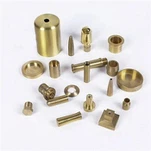
Preparing the processing and production process for mechanical parts involves a series of well-defined steps that ensure the creation of parts that meet design specifications and quality standards. Here's an overview of the process in English:
Design and Specification Review: Before production begins, the design of the mechanical part must be thoroughly reviewed. This includes checking the part's specifications, tolerances, and material requirements to ensure they are feasible for manufacturing.
Material Selection: Choose the appropriate material for the part based on its intended use, strength requirements, and cost. Material properties such as machinability, strength, and durability are critical considerations.
Process Planning: Develop a detailed process plan outlining each step of the manufacturing process, from material preparation to final inspection. This includes selecting the appropriate machining operations, tooling, and machinery.
Tooling and Fixture Design: Design and manufacture any necessary tooling and fixtures required to hold and support the workpiece during machining. This is critical for ensuring accuracy and repeatability.
CNC Programming: If the part will be machined on a Computer Numerical Control (CNC) machine, program the machine with the appropriate tool paths and machining parameters.
Setup and Equipment Preparation: Prepare the necessary equipment, including milling machines, lathes, drills, and grinders. Ensure that all machines are calibrated and in good working order.
Material Procurement: Acquire the raw material needed for the part, ensuring that it meets the specified quality and quantity requirements.
Machining: Execute the machining operations as per the process plan. This may include operations such as turning, milling, drilling, and tapping.
Inspection and Quality Control: Inspect the part at various stages of production to ensure it meets the required specifications. This may involve using measuring tools such as micrometers, calipers, and coordinate measuring machines (CMMs).
Finishing Operations: After machining, parts may undergo finishing operations such as deburring, polishing, or heat treatment to refine their surface finish and properties.
Assembly: If the mechanical part is a component of a larger assembly, it will need to be fitted together with other parts. This step requires careful alignment and fastening.
Final Inspection and Testing: Conduct a final inspection and functional testing of the assembled part to ensure it meets all design requirements and operates correctly.
Documentation: Keep detailed records of the manufacturing process, including machine settings, tooling used, and inspection results. This documentation is essential for quality control and traceability.
Packaging and Shipping: Once the parts pass final inspection, they are cleaned, packaged, and prepared for shipping to the customer or for use in further manufacturing processes.
Feedback and Improvement: After production, gather feedback on the manufacturing process and the performance of the part in its application. Use this information to make improvements for future production runs.
Preparing the processing and production process for mechanical parts requires careful planning, precise execution, and rigorous quality control to ensure the production of high-quality, reliable components.