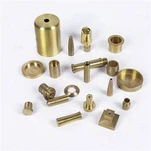
The Influence of Precision Technology on Precision Machining
Enhanced Accuracy and Tolerances: Precision technology, including advanced metrology and calibration tools, allows for the production of parts with tighter tolerances. This is crucial for components where even minor deviations can lead to performance issues or failure.
Sophisticated CNC Machines: The development of sophisticated Computer Numerical Control (CNC) machines has revolutionized precision machining. These machines can follow complex tool paths with high accuracy, enabling the creation of intricate parts with repeatability.
CAD/CAM Software Integration: Computer-Aided Design (CAD) and Computer-Aided Manufacturing (CAM) software have streamlined the design and manufacturing process. Designers can create detailed part designs, and CAM software can convert these into the code needed to program CNC machines.
High-Speed Machining: Precision technology has made it possible to increase machining speeds without sacrificing accuracy. High-speed machining reduces production time and can lead to better surface finishes.
Material Science Advancements: Better understanding and development of new materials, such as advanced alloys and composites, have expanded the range of applications suitable for precision machining.
Automation and Robotics: Automation has reduced the need for manual intervention, minimizing human error and increasing the consistency of precision machining operations.
Laser and Electrochemical Machining: Precision technologies like laser beam machining and electrochemical machining offer alternative methods for producing parts with complex geometries or from hard-to-machine materials.
Quality Control Systems: Advanced quality control systems, including non-contact measurement techniques and statistical process control, ensure parts meet stringent precision standards.
Adaptive Control Systems: Adaptive control systems can adjust machining parameters in real-time to compensate for tool wear or changes in workpiece properties, maintaining part accuracy throughout production.
Miniaturization: Precision technology has enabled the production of increasingly smaller and more detailed components, meeting the demands of micro-manufacturing and industries like medical devices and electronics.
Sustainability: Precision machining can lead to reduced material waste and more efficient use of resources, contributing to more sustainable manufacturing practices.
Customization and Personalization: The flexibility offered by precision technology allows for greater customization and personalization of products, catering to the diverse needs of consumers.
Rapid Prototyping: Technologies like 3D printing enable rapid prototyping, allowing designers to quickly create and test functional parts, accelerating the product development process.
Education and Training: The rise of precision technology has increased the need for skilled workers, leading to more specialized education and training programs in precision machining.
Industry 4.0 and Smart Factories: The integration of precision technology with the concepts of Industry 4.0, including the Internet of Things (IoT), big data, and artificial intelligence (AI), is paving the way for smart factories that can self-optimize and respond to changes in real-time.
In conclusion, precision technology has not only improved the quality and capabilities of precision machining but also reshaped the manufacturing landscape, enabling more efficient, customized, and sustainable production methods.
This introduction outlines the various ways precision technology impacts precision machining, from the design phase through to production and quality control, highlighting the benefits and future trends in the industry.