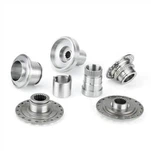
Ensuring Precision in Precision Parts Processing
Detailed Design and Specification: Start with accurate and detailed design specifications. Use CAD software to create precise digital models that serve as the blueprint for the physical part.
Material Selection: Choose the correct material for the job. Different materials have varying properties that can affect the machining process and final part precision.
High-Precision Machinery: Invest in high-precision CNC machines and other advanced manufacturing equipment that can achieve the required tolerances and surface finishes.
Proper Tooling: Select the right cutting tools and tool paths for the material and part design. Tool wear can significantly impact precision, so regular tool changes and sharp edges are crucial.
Fixtures and Workholding: Use precision fixtures and workholding devices to securely hold the workpiece in place during machining, minimizing any potential for movement or deflection.
Thermal Management: Monitor and control the temperature during machining, as heat can cause expansion and contraction, affecting part dimensions.
Cutting Parameters: Optimize cutting parameters such as feed rate, speed, and depth of cut. These should be fine-tuned to balance productivity with maintaining precision.
Programmed Path Simulation: Use software to simulate the machining process before actual production. This can help identify potential issues and ensure the tool paths will produce the desired part.
Quality Control and Inspection: Implement a robust quality control system that includes in-process inspections and final part measurements using precision measuring tools like micrometers, calipers, and Coordinate Measuring Machines (CMM).
Operator Training: Ensure that operators are well-trained and experienced. Human error is a common source of precision loss, and skilled technicians can make a significant difference.
Regular Maintenance: Keep all machinery and measuring equipment well-maintained and calibrated to ensure they operate within specified tolerances.
Environmental Control: Control the manufacturing environment to minimize the effects of humidity, temperature fluctuations, and vibrations that can affect precision.
Iterative Process Improvement: Use feedback from quality inspections to continually refine the machining process, making incremental improvements to tooling, machine settings, and procedures.
Documentation and Traceability: Keep detailed records of the machining process, including machine settings, tooling used, and inspection results. This documentation can help trace the root cause of any issues and ensure consistency in future production runs.
Advanced Technologies: Consider adopting advanced manufacturing technologies such as 3D printing for rapid prototyping, or machine learning algorithms to optimize machining parameters in real-time.
In conclusion, ensuring the precision of precision parts processing is a comprehensive endeavor that requires attention to detail at every stage, from design and material selection to machining and quality control. By adhering to best practices and leveraging the latest technology, manufacturers can produce parts with the high degree of accuracy required in today's demanding applications.
This introduction covers the various steps and considerations involved in ensuring precision in parts processing, highlighting the importance of design, material selection, tooling, environmental control, and quality assurance.