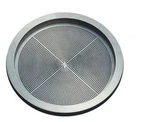
High-precision parts customization is a manufacturing process that involves creating individualized components with very tight tolerances to meet specific customer requirements. This process is critical in industries where the functionality and performance of machinery and equipment are paramount, such as aerospace, medical, automotive, and electronics. Here's an introduction to high-precision parts customization:
What is High-Precision Parts Customization?
Definition: It is the process of designing and manufacturing parts with exacting specifications that go beyond standard off-the-shelf offerings.
Tolerances: High-precision parts often require tolerances within a few microns or even nanometers, ensuring exact fit and function.
Materials: They can be made from a variety of materials, including metals, plastics, and composites, depending on the application's needs.
Key Considerations
Design: Custom parts require detailed design work, often involving complex geometries and specialized software for computer-aided design (CAD).
Material Selection: The choice of material is critical and depends on factors such as strength, weight, temperature resistance, and chemical compatibility.
Manufacturing Techniques: Techniques such as Computer Numerical Control (CNC) machining, 3D printing, electrical discharge machining (EDM), and grinding are commonly used.
Quality Control: Rigorous quality control measures are essential to ensure each part meets the high-precision standards.
Tooling: Custom tooling may be required for complex parts, adding to the initial cost but ensuring the part's unique specifications are met.
Benefits of Customization
Performance: Customized parts can enhance the performance of machinery by ensuring exact fits and operational parameters.
Innovation: Allows for the creation of novel designs that push the boundaries of what's possible with standard parts.
Reliability: Precise parts can lead to more reliable systems with fewer failures and longer service life.
Cost-Effectiveness: While initial costs may be higher, the long-term benefits of improved performance and reliability can offset these expenses.
Competitive Advantage: Offering customized solutions can give a company a competitive edge in the market.
Application Areas
Aerospace: High-precision components are critical for aircraft engines, navigation systems, and control surfaces.
Medical Devices: Custom parts are often needed for prosthetics, surgical instruments, and diagnostic equipment.
Automotive: High-precision components are used in engines, transmissions, and safety systems.
Electronics: Custom parts are essential for specialized connectors, sensors, and other components in advanced electronic devices.
Industrial Equipment: Custom parts can be used in the design of unique machinery and production lines.
Future Trends
Additive Manufacturing: The use of 3D printing to create complex geometries and customized parts on-demand.
Material Science: Advances in material science will allow for stronger, lighter, and more durable custom parts.
Digitalization: Increased use of digital tools for design, simulation, and manufacturing, leading to faster turnaround times and better quality control.
Sustainability: Custom parts can be designed for easier recycling or made from sustainable materials to reduce environmental impact.
Smart Manufacturing: Integration with Industry 4.0 technologies for real-time monitoring, predictive maintenance, and automated production.
High-precision parts customization is a specialized field that requires a deep understanding of both the design and manufacturing processes. As technology continues to advance, the capabilities and applications of customized high-precision parts will expand, driving innovation and improving the performance of products across various industries.