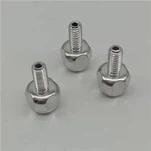
Hardware parts processing involves a range of activities, from design and material selection to manufacturing, finishing, and quality control. Throughout this process, there are several key issues that need to be carefully managed to ensure the production of high-quality parts. Here's an overview of the problems that need attention in hardware parts processing:
Material Quality: The quality of the raw materials used can significantly impact the final product. Issues such as impurities, incorrect alloy composition, or poor material properties can lead to defects or failures in the finished parts.
Design Complexity: Complex designs can be more difficult to manufacture and may require advanced techniques or specialized tooling. Balancing design requirements with manufacturing capabilities is crucial.
Tolerance Control: Maintaining tight tolerances is essential for parts to fit and function correctly. Inaccurate machining or inconsistencies in the manufacturing process can lead to parts that do not meet specifications.
Surface Finish: The surface finish of a part can affect its appearance, corrosion resistance, and performance. Achieving a consistent and high-quality surface finish requires careful control of the finishing processes.
Heat Treatment: Improper heat treatment can compromise the mechanical properties of a part, such as hardness, strength, and ductility. It's important to follow precise heat treatment cycles and parameters.
Machining Accuracy: The accuracy of the machining process is critical. Tool wear, machine errors, or programming mistakes can lead to parts that are out of specification.
Tool Wear and Breakage: Cutting tools can wear down or break during the machining process, which can affect the quality of the finished part and lead to downtime for tool changes.
Waste Management: The generation of waste, such as metal shavings, coolants, and used tools, must be managed properly to avoid environmental contamination and comply with regulations.
Safety: The use of heavy machinery, high temperatures, and potentially hazardous materials requires strict safety protocols to protect workers from injury.
Cost Control: Balancing the cost of production with the quality and performance of the parts is a constant challenge. Efficient processes and cost-effective material choices are important.
Quality Assurance: Implementing a robust quality assurance program is essential to detect and correct defects before they become more costly to fix.
Sustainability: There is increasing pressure to reduce the environmental impact of manufacturing processes, which can include energy consumption, waste reduction, and the use of sustainable materials.
Regulatory Compliance: Adhering to industry standards and regulations is critical, especially for parts used in safety-critical applications such as automotive, aerospace, or medical devices.
Supply Chain Management: Reliable and efficient supply chains are necessary to ensure the timely delivery of raw materials and the distribution of finished parts.
Technological Advancements: Keeping up with the latest technology and manufacturing techniques is important for maintaining competitiveness and improving the quality and efficiency of the production process.
Skilled Workforce: Having a skilled workforce that is trained in the latest techniques and understands the importance of quality is essential.
Lead Times: Meeting delivery deadlines is crucial for customer satisfaction. Delays can be caused by a variety of factors, including production issues, material shortages, or unexpected demand.
By paying attention to these issues and implementing appropriate strategies and controls, hardware parts processors can minimize problems, improve efficiency, and ensure the production of high-quality parts that meet customer expectations.