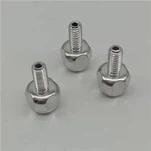
Hardware parts processing can have a significant impact on the environment due to the use of energy, the generation of waste, and the potential release of harmful substances. However, there are several strategies and best practices that can be implemented to minimize this impact and do a good job of environmental protection. Here's an introduction to how environmental protection can be integrated into hardware parts processing:
Material Efficiency: Choose materials that are sustainable and have a lower environmental impact. This includes using recycled or repurposed metals whenever possible and selecting materials with a lower carbon footprint.
Energy Efficiency: Optimize the use of energy in production processes. This can involve investing in energy-efficient machinery, improving insulation to reduce heat loss, and using renewable energy sources like solar or wind power.
Waste Reduction: Implement practices to minimize waste generation. This includes designing parts to reduce material use, reusing or recycling metal shavings and turnings, and using closed-loop systems to capture and reuse coolants and other fluids.
Water Management: If water is used in the processing (e.g., for cooling or cleaning), ensure that it is treated properly before being discharged. This may involve using water-saving technologies and setting up water treatment systems to remove contaminants.
Chemical Management: Use environmentally friendly chemicals and minimize their use wherever possible. This includes selecting biodegradable or less toxic alternatives and properly storing and disposing of chemicals to prevent leaks and spills.
Emission Control: Install equipment to capture and treat emissions from processes like forging and heat treatment. This can help to reduce air pollution and comply with environmental regulations.
Noise Reduction: Use soundproofing and noise-reduction technologies to minimize noise pollution from machinery and operations.
Sustainable Packaging: Use recyclable or biodegradable packaging materials for finished parts to reduce waste.
Life Cycle Assessment: Conduct a life cycle assessment of products to understand the environmental impact at each stage, from raw material extraction to end-of-life disposal, and make improvements accordingly.
Employee Training: Train employees on environmental best practices and encourage a culture of sustainability within the company.
Regulatory Compliance: Ensure that all operations comply with local, national, and international environmental regulations and standards.
Continuous Improvement: Regularly review and update environmental policies and practices to incorporate new technologies and methods that can further reduce the environmental impact.
Supply Chain Management: Work with suppliers to encourage sustainable practices throughout the supply chain.
Certification: Obtain environmental management system certifications like ISO 14001, which demonstrates a commitment to environmental responsibility.
Community Engagement: Engage with the local community to understand their concerns and work together on environmental initiatives.
By integrating these practices into hardware parts processing, companies can significantly reduce their environmental footprint, contribute to sustainable development, and often realize economic benefits through cost savings and improved efficiency.