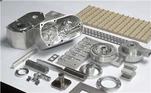
The technical requirements for CNC machining, especially when it comes to the bearings used in mechanical parts, are critical for ensuring precision, efficiency, and the longevity of the machinery. Here's an overview of the key technical requirements for CNC machining involving bearings:
Precision and Tolerance: Precision is a critical requirement in CNC machining. Tolerances, as defined by standards like ISO 2768, allow for acceptable variation in dimensions and surface finish. They ensure dimensional accuracy and consistency of finished parts, which is crucial for the proper functioning of bearings in mechanical components .
Spindle Performance: The spindle is the heart of a CNC machine and its performance directly affects the quality of machining. Spindles need to maintain high speeds and precision, which is essential for the accurate rotation seen in ball and roller bearings commonly used in CNC machines .
Bearing Types: A variety of bearings are used in CNC machining to handle different types of loads and movements. These include ball bearings for radial and axial loads, roller bearings for heavy radial loads, plain bearings for sliding motion, and needle bearings for small or lightweight CNC equipment .
Material Selection: The choice of bearing materials is essential, as it affects the performance and lifespan of the bearings. Materials must be able to withstand the loads, speeds, and environmental conditions they will encounter in the CNC machining process.
Load Capacity: Bearings must be chosen based on their ability to handle the specific loads they will experience. This includes both radial and axial loads, and the direction of these loads will determine the type of bearing needed.
Rotational Speed: The speed at which the bearings will operate is another critical factor. High-speed operations may require bearings with specific designs to minimize friction and heat generation.
Rigidity: Bearings used in precision machinery like CNC machines must have high rigidity to ensure that the equipment's alignment and precision are not compromised under load.
Operating Environment: The environment in which the bearings will operate can influence the material choice and design. Factors such as temperature, humidity, and the presence of contaminants must be considered.
Lifespan and Maintenance: The expected lifespan of the bearings and their maintenance requirements are also important. Bearings in CNC machines are often designed for long life with minimal maintenance to reduce downtime.
Control System and Software Integration: The control system of a CNC machine must be capable of precisely controlling the movements and operations that affect the performance of the bearings, ensuring smooth and accurate machining .
Workpiece Holding and Clamping Mechanisms: Secure workpiece holding is essential for reliable machining operations. The clamping mechanisms must be designed to hold the workpiece without interfering with the movement of the bearings .
Additional Features and Enhancements: CNC machines often come with additional features like coolant systems and chip evacuation mechanisms that can help maintain the performance of the bearings by reducing heat and friction .
By adhering to these technical requirements, manufacturers can ensure that the bearings used in CNC machining provide the necessary support and performance to achieve high-quality results.