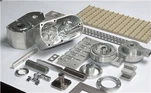
Regular precision parts processing refers to the routine manufacturing of components with a high degree of accuracy and quality. These parts are critical for a wide range of applications, from automotive and aerospace to electronics and medical devices. Here's an English introduction to regular precision parts processing:
Regular Precision Parts Processing: The Backbone of Quality Manufacturing
Regular precision parts processing is the systematic and routine production of components with very close tolerances and high-quality standards. These parts are the building blocks of many complex systems where reliability and performance are crucial.
Key Elements of Regular Precision Parts Processing:
Design Specification: Each part is designed with detailed specifications that define its dimensions, material properties, and surface finish requirements.
Material Selection: Choosing the appropriate material is essential. It must meet the strength, durability, and functional requirements of the part.
Cutting and Machining: Using advanced cutting tools and Computer Numerical Control (CNC) machines to remove material and achieve the desired shape and dimensions.
Precision Measurement: Employing high-precision measurement tools to ensure that each part meets the specified tolerances.
Finishing Operations: This includes deburring, polishing, and other surface treatments to achieve the required finish and appearance.
Quality Control: Implementing a robust quality control system to inspect each part for defects and ensure it meets the design specifications.
Batch Processing: Regular precision parts are often produced in batches to optimize efficiency and maintain consistency across all parts.
Automation: Utilizing automated processes to reduce manual labor, increase throughput, and minimize human error.
Documentation: Maintaining detailed records of each production run, including the specifications, measurements, and quality control results.
Delivery and After-Sales Service: Providing timely delivery of the parts and offering after-sales support to address any issues that may arise.
Advantages of Regular Precision Parts Processing:
Consistency: Regular processing ensures that each part is produced to the same high standards, providing consistency across all components.
Efficiency: By streamlining the production process, regular precision parts processing can achieve high efficiency and lower unit costs.
Reliability: Parts produced through regular precision processing are more reliable due to the stringent quality control measures.
Customization: While these are regular parts, there is still scope for customization to meet specific customer requirements.
Scalability: The process can be easily scaled up or down to meet changing demand without compromising on quality.
Challenges and Solutions in Regular Precision Parts Processing:
Maintaining Tolerances: The biggest challenge is maintaining tight tolerances across all parts. This is addressed through precise measurement and feedback control systems.
Material Variability: Variations in material properties can affect the final part quality. This is managed through strict material selection and testing procedures.
Cost Control: Balancing the cost of high-quality materials and processes with the need for competitive pricing is a constant challenge. This is achieved through continuous process improvement and optimization.
Future Directions in Regular Precision Parts Processing:
Advanced Materials: The use of new materials with better properties, such as high-strength alloys and composites, will enhance the performance of precision parts.
Digitalization: The integration of digital technologies, including Industry 4.0 concepts, will further improve efficiency and quality control.
Sustainability: There is a growing focus on sustainable manufacturing practices, including the use of recyclable materials and energy-efficient processes.
Regular precision parts processing is a cornerstone of modern manufacturing, underpinning the production of reliable and high-performing machinery and equipment. By continuously refining the process and embracing new technologies, manufacturers can ensure that these parts meet the exacting demands of today's industries.