

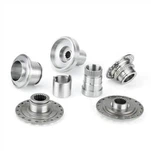
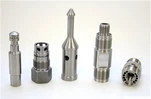
The hardness of the processing material can have a significant impact on the processing of precision mechanical parts. Materials with higher hardness require more robust processing techniques and equipment to achieve the required precision.
In general, hard materials such as stainless steel, titanium, and high-carbon steels require more precise and complex machining operations such as grinding, milling, and drilling. These materials are more difficult to work with, and the accuracy of the finished product also depends on the quality of the tools and machinery used.
On the other hand, softer materials such as aluminum, brass, and copper are more easily machined with standard tools and machinery. Soft materials may not require as extensive a range of advanced machining techniques or equipment, though the needs of precise machining of these materials are still important.
The processing technology used may also be more varied based on the hardness of the material targeted. For instance, a CNC machine may be more commonly used for softer materials, while abrasive machining may be more suited for harder materials.
It is essential to understand the relationship between the hardness of the material being machined, the processing technology available, and the required precision of the finished product. Only then can the most appropriate processing methods be identified and employed to produce the required precision mechanical parts.
Precision mechanical parts and processing
Jun 09, 2023


Send Inquiry
Categories
Contact Us
- Tel: +8618021543605
- Fax: +86-25-58659205
- Email: cnmorong@yeah.net
- Email: sales@mrmachining.com
- Add: 28#, Taixi Rd, Pukou, Nanjing, Jiangsu, China