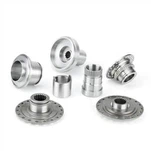
Clamping, often referred to as "clip mode" in the context of machining, is the method of securing a workpiece during the manufacturing process to ensure accuracy and safety. Various clamping methods and devices are used depending on the type of machine tool and the specific requirements of the job. Here's an overview of common clamping modes and the precautions for their use:
Common Clamping Modes:
Vise Clamping: A vise is a common device used to hold workpieces in place. It provides a firm grip and is adjustable for different sizes of workpieces.
Chuck Clamping: A chuck is a type of clamp used on a lathe or drill press that holds a workpiece by applying a radial force.
Collet Clamping: Collets are used to hold cylindrical workpieces tightly. They are adjustable and can be used in lathes, milling machines, or routers.
Magnetic Clamping: Magnetic clamps are used for ferrous metals and provide a strong hold without the need for physical contact over the entire surface.
C-Clamp or Bar Clamp: These are versatile and can be used for a variety of workpieces. They are tightened by a screw mechanism.
Toggle Clamp: These clamps offer quick and secure locking and are often used in high-production environments.
Hydraulic or Pneumatic Clamps: These use fluid pressure to apply a strong, even clamping force and are often used for heavy workpieces.
Quick Clamp: These are designed for fast setup and release, often used in situations where frequent adjustments are required.
Elastic Clamping: Uses elastic elements like springs or rubber bands to hold the workpiece in place.
Specialized Clamping Fixtures: Custom fixtures are sometimes designed for specific workpieces or complex shapes that require unique holding solutions.
Precautions for Use:
Workpiece Condition: Ensure the workpiece is clean and free of debris that could affect the clamping force or cause the workpiece to slip.
Proper Fit: The workpiece should fit snugly within the clamp without being distorted or damaged.
Even Pressure Distribution: Apply clamping force evenly to avoid warping or damaging the workpiece.
Secure Locking: Make sure the clamp is fully locked and cannot loosen during the machining process.
Avoid Over-Tightening: Excessive force can damage the workpiece or the clamping device.
Alignment: Ensure the workpiece is properly aligned with the axis of the machine tool to prevent uneven machining or tool deflection.
Safety: Keep fingers and hands clear of moving parts when tightening or releasing clamps.
Tool Clearance: Ensure there is enough clearance around the workpiece for the cutting tool to operate without interference.
Regular Inspection: Check clamps and fixtures regularly for wear and tear, and replace or repair as necessary.
Appropriate Clamping Method: Choose the clamping method that best suits the material, shape, and size of the workpiece, as well as the requirements of the machining operation.
Release Carefully: When releasing the workpiece, do so carefully to avoid damage or injury from sudden release of pressure.
Use of Safety Gear: Wear appropriate safety gear, such as gloves and safety glasses, when handling clamps and workpieces.
Machine-Specific Guidelines: Follow any specific guidelines provided by the machine tool manufacturer regarding the use of clamps and fixtures.
Training: Operators should be trained in the proper use of clamping devices to ensure safe and effective workpiece holding.
By observing these precautions, you can ensure that clamping is done safely and effectively, leading to accurate and high-quality machined parts.