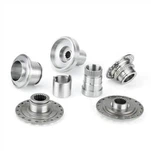
The automotive parts machining industry is a critical component of the broader automotive sector, focusing on the production of various components and systems essential for vehicles' functioning and performance. Here are some key industrial characteristics of auto parts machining:
High Precision and Quality: Automotive parts machining requires high precision and quality to meet the stringent requirements of the automotive industry. Manufacturers use advanced technologies like computer-aided design and manufacturing to develop parts such as engines, transmissions, brakes, and electrical systems .
Technological Innovations: The industry is characterized by rapid technological innovations, including additive manufacturing (3D printing) and robotics. These technologies enhance production speed, precision, and cost-efficiency, and reduce material waste .
Global Demand: The increasing global demand for automobiles, rising government initiatives, and consumer demand for enhanced features in vehicles are propelling the market .
Growth in Electric Vehicles (EVs): The market for auto parts is significantly influenced by the growing adoption of electric vehicles, which demand specialized components like electric motors and battery packs .
Environmental Sustainability: There is a growing focus on lightweight materials and energy-efficient components to improve fuel efficiency and reduce environmental impact .
Market Segmentation: The market is segmented by component type, sales channel, and vehicle type. Engine components dominate the market, followed by cooling systems, underbody components, and electrical components .
Sales Channels: The market is split between Original Equipment Manufacturers (OEM) and the aftermarket. OEM parts are supplied directly to vehicle manufacturers, while the aftermarket segment provides parts for maintenance, repairs, and upgrades .
Regional Markets: Asia Pacific exhibits a clear dominance, accounting for the largest market share due to rapid industrialization and an expanding automotive sector. North America and Europe also show significant growth due to technological advancements and robust manufacturing infrastructure .
Competitive Landscape: The market is highly competitive, with key players investing in R&D, operational excellence, and strategic partnerships to gain a competitive edge .
Industry 4.0 Technologies: There is a growing trend towards adopting Industry 4.0 technologies, including IoT and AI, for smart manufacturing, which enhances production efficiency and reduces errors .
Lightweight Materials: The market is seeing increased demand for machining of lightweight materials like aluminum and composites, driven by the push for fuel efficiency in vehicles .
Customization and Flexibility: Customization and flexibility in machining processes are becoming crucial differentiators in the market, with manufacturers needing to adapt to ever-changing market needs .
These characteristics highlight the dynamic nature of the automotive parts machining industry, which is constantly evolving to meet the demands of a global market, technological advancements, and environmental sustainability goals.