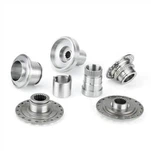
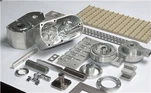
CNC Machining of Aluminum Materials
Aluminum is one of the commonly used materials in mechanical processing today. The CNC machining process for aluminum materials is second only to steel in terms of usage frequency. The chemical element aluminum, in its high-purity form, is soft, ductile, non-magnetic, and has a silver-white appearance. However, this element is not used solely in its pure form. Aluminum is typically cast into alloys with various elements such as manganese, copper, and magnesium to form different types of aluminum alloys with significantly improved properties. Commonly processed aluminum alloys and their grades under different standards can be found here. Pure aluminum (image source: Wikipedia.com)
Advantages of Using Aluminum in CNC Machining Parts
Although there are countless aluminum alloys with varying degrees of properties, there are some fundamental characteristics that apply to all aluminum alloys.
Machinability: Aluminum can be quickly shaped, manufactured, and processed under various treatment processes. It can be quickly and easily cut by machine tools due to its soft texture and ease of machining. It is also cost-effective and requires less force compared to machining steel. These features are significant advantages for machinists and customers ordering parts. Moreover, aluminum's excellent machinability means it is less likely to deform during the machining process. Given its ability to allow CNC machines to achieve higher tolerances, its precision is higher.
Specific Strength: The density of aluminum is about one-third that of steel. It is relatively lighter in weight. Despite its light weight, aluminum has high strength. This combination of strength and weight is known as the material's specific strength. Aluminum's high specific strength makes it suitable for many industrial parts needed, such as in the automotive and aerospace industries.
Corrosion Resistance: Aluminum is resistant to scratches and corrosion in conventional marine and atmospheric environments. This characteristic can be enhanced through anodizing. It is important to note that the corrosion resistance of different grades of aluminum varies. Conventional common CNC machining grades, on the other hand, have strong resistance.
Low-Temperature Performance: Most materials lose some properties below zero degrees.