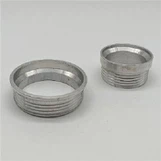
As a supplier of Aluminum Dropouts, I've encountered numerous inquiries regarding the protection of these components from saltwater damage. Saltwater is extremely corrosive, and when aluminum dropouts come into contact with it, the consequences can be detrimental to the performance and longevity of the bicycle parts. In this blog, I'll share some effective strategies to safeguard aluminum dropouts from saltwater's harmful effects.
Understanding the Threat of Saltwater to Aluminum Dropouts
Aluminum is a reactive metal. When exposed to saltwater, a chemical reaction occurs. Saltwater contains ions that accelerate the oxidation process of aluminum. The chloride ions in saltwater can break through the thin oxide layer that naturally forms on the surface of aluminum. Once this protective layer is compromised, the underlying aluminum is directly exposed to further oxidation, leading to corrosion. Corroded aluminum dropouts can lose their structural integrity, which may result in a weakened frame connection and potential safety hazards for cyclists.
Immediate Cleaning After Exposure
One of the most crucial steps in protecting aluminum dropouts from saltwater damage is immediate cleaning. As soon as the bicycle has been in contact with saltwater, it's essential to rinse the dropouts thoroughly with fresh water. Use a gentle stream of water to remove as much salt as possible. Avoid using high - pressure water, as it may force saltwater into hard - to - reach areas, exacerbating the problem.
After rinsing, dry the dropouts with a clean, soft cloth. Make sure to dry them completely, as any remaining moisture can still cause corrosion over time. Pay special attention to the crevices and holes in the dropouts, as salt can accumulate in these areas.
Applying a Protective Coating
A protective coating can act as a barrier between the aluminum dropouts and saltwater. There are several types of coatings available, each with its own advantages.
Wax - based Coatings
Wax - based coatings are relatively easy to apply. They create a thin, hydrophobic layer on the surface of the dropouts, preventing water from adhering. Simply apply the wax evenly over the dropouts using a soft cloth. Wax coatings need to be reapplied regularly, especially after heavy use or exposure to water.
Powder Coating
Powder coating is a more durable option. It involves applying a dry powder to the dropouts and then baking it at a high temperature to form a hard, protective finish. Powder coatings come in a variety of colors and can provide excellent resistance to corrosion. However, the application process is more complex and usually requires professional equipment.
Anodizing
Anodizing is an electrochemical process that thickens the natural oxide layer on the surface of aluminum. This creates a more robust and corrosion - resistant layer. Anodized aluminum dropouts are more resistant to saltwater damage compared to non - anodized ones. The anodizing process can also give the dropouts a more aesthetically pleasing appearance.
Storage Considerations
Proper storage is also vital in protecting aluminum dropouts from saltwater damage. When not in use, store the bicycle in a dry, well - ventilated area. Avoid storing it in a damp basement or near the ocean, where the air is filled with salt particles.
If possible, elevate the bicycle off the ground to prevent any water from pooling around the dropouts. You can use a bike stand or hang the bike on a wall rack.
Regular Inspections
Regular inspections are necessary to detect any signs of saltwater damage early. Check the dropouts for any discoloration, pitting, or flaking of the surface. If you notice any of these signs, take immediate action.


For minor corrosion, you can use a mild abrasive to gently remove the corroded layer. Afterward, clean and re - apply a protective coating. If the corrosion is severe, it may be necessary to replace the dropouts to ensure the safety and performance of the bicycle.
Alternative Materials
In some cases, using alternative materials for dropouts may be a viable solution. For example, Titanium Dropouts and Titanium Slider Dropout are more resistant to saltwater corrosion compared to aluminum. Titanium has a high strength - to - weight ratio and is naturally corrosion - resistant.
However, titanium dropouts are generally more expensive than aluminum ones. As a supplier, I can offer both options to customers based on their specific needs and budgets.
Conclusion
Protecting aluminum dropouts from saltwater damage requires a combination of immediate cleaning, applying protective coatings, proper storage, regular inspections, and in some cases, considering alternative materials. By following these steps, cyclists can ensure the longevity and performance of their bicycle components.
As a supplier of high - quality Aluminum Dropouts, I'm committed to providing the best products and advice to our customers. Whether you're a professional cyclist or a casual rider, our dropouts are designed to meet your needs. If you have any questions about protecting your dropouts or are interested in purchasing our products, please feel free to contact us for more information and to discuss your specific requirements. We look forward to working with you to keep your bicycles in top condition.
References
- "Corrosion of Aluminum Alloys" by H. H. Uhlig and R. W. Revie.
- "Bicycle Frame Building: Design, Construction, and Maintenance" by Carl Strong.
- Technical documents from aluminum and titanium manufacturers.