Hey there! As a supplier of Tubings & Tubing Parts, I've had my fair share of experiences dealing with all sorts of tubing-related issues. One question that comes up quite often is how to seal the ends of tubings. It might seem like a small detail, but it can actually have a big impact on the performance and longevity of your tubing systems. So, let's dive right in and explore some effective ways to seal those tubing ends.
Why Sealing Tubing Ends Matters
Before we get into the how-to, let's quickly talk about why sealing tubing ends is so important. First off, it helps prevent contaminants like dust, dirt, and moisture from getting inside the tubing. These contaminants can cause blockages, corrosion, and other problems that can lead to system failure. Second, sealing the ends can help maintain the integrity of the fluid or gas flowing through the tubing. If there are leaks at the ends, it can lead to pressure drops, reduced efficiency, and even safety hazards.
Methods for Sealing Tubing Ends
1. Using Caps and Plugs
One of the simplest and most common ways to seal tubing ends is by using caps and plugs. Caps are typically used for the outside of the tubing, while plugs are inserted into the inside of the tubing. There are many different types of caps and plugs available, made from a variety of materials such as plastic, rubber, and metal.
- Plastic Caps and Plugs: These are lightweight, inexpensive, and come in a wide range of sizes and shapes. They're great for general-purpose applications where you need a basic seal. For example, if you're working on a DIY project or a small-scale industrial application, plastic caps and plugs can do the job just fine.
- Rubber Caps and Plugs: Rubber caps and plugs offer a more flexible and airtight seal. They're often used in applications where you need to prevent leaks or where the tubing is subject to vibration or movement. For instance, in automotive or marine applications, rubber caps and plugs can help keep fluids and gases from leaking out.
- Metal Caps and Plugs: Metal caps and plugs are the most durable and resistant to high temperatures and pressures. They're commonly used in industrial applications where reliability is crucial. For example, in the oil and gas industry, metal caps and plugs are used to seal tubing in high-pressure pipelines.
2. Welding
Welding is a more permanent way to seal tubing ends. It involves melting the ends of the tubing together to create a solid, leak-proof seal. Welding is typically used in applications where the tubing needs to withstand high pressures, temperatures, or corrosive environments.
- TIG Welding: TIG (Tungsten Inert Gas) welding is a popular method for welding tubing. It uses a non-consumable tungsten electrode to create an arc that melts the tubing. TIG welding is known for its precision and high-quality welds. It's often used in applications where the appearance of the weld is important, such as in the aerospace or medical industries.
- MIG Welding: MIG (Metal Inert Gas) welding is another common method for welding tubing. It uses a consumable wire electrode to create an arc that melts the tubing. MIG welding is faster and easier to learn than TIG welding, but it may not produce as high-quality a weld. It's often used in applications where speed and efficiency are more important than appearance, such as in the automotive or construction industries.
3. Adhesive Sealing
Adhesive sealing involves using an adhesive to bond a cap, plug, or other sealing material to the end of the tubing. Adhesive sealing is a good option for applications where you need a flexible seal or where welding is not possible.
- Epoxy Adhesives: Epoxy adhesives are strong, durable, and resistant to heat, chemicals, and moisture. They're often used in applications where a permanent seal is required, such as in the electronics or aerospace industries.
- Silicone Adhesives: Silicone adhesives are flexible, waterproof, and resistant to high temperatures. They're commonly used in applications where the tubing is subject to movement or vibration, such as in automotive or marine applications.
Choosing the Right Sealing Method
When choosing a sealing method for your tubing ends, there are several factors to consider:
- Application Requirements: Consider the specific requirements of your application, such as the type of fluid or gas flowing through the tubing, the pressure and temperature conditions, and the level of contamination or leakage that can be tolerated.
- Tubing Material: Different tubing materials require different sealing methods. For example, plastic tubing may be better suited for adhesive sealing, while metal tubing may require welding.
- Cost and Time: Some sealing methods are more expensive and time-consuming than others. Consider your budget and the amount of time you have available for the sealing process.
Our Tubings & Tubing Parts
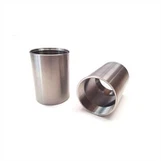
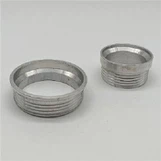
As a supplier of Tubings & Tubing Parts, we offer a wide range of products to meet your sealing needs. Whether you're looking for caps and plugs, welding equipment, or adhesive sealants, we've got you covered. Some of our popular products include the Titanium Headset Spacer, the BB30 Press Fit Shell, and the Bottom Bracket Shell. These products are made from high-quality materials and are designed to provide a reliable and long-lasting seal.


Contact Us for Procurement
If you're interested in purchasing our Tubings & Tubing Parts or have any questions about sealing tubing ends, please don't hesitate to contact us. We're here to help you find the right products and solutions for your needs. Whether you're a small business or a large industrial company, we can provide you with the support and expertise you need to get the job done right.
References
- "Tubing Sealing Techniques" - Industrial Tubing Handbook
- "Welding for Beginners" - Welding Magazine
- "Adhesive Sealing Solutions" - Adhesive Technology Journal