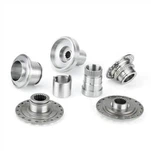
Sheet metal manufacturing offers a wide range of benefits that make it a preferred choice for many industries. Here are some key advantages of sheet metal manufacturing:
1. Versatility in Design and Application
Sheet metal can be formed into an almost limitless variety of shapes and sizes, making it suitable for a broad range of applications. From simple brackets and enclosures to complex automotive and aerospace components, sheet metal can be tailored to meet specific design requirements. This versatility allows manufacturers to create highly customized parts with precision and consistency.
2. Cost-Effectiveness
Sheet metal manufacturing is often more cost-effective compared to other manufacturing methods, especially for large production runs. The raw materials are relatively inexpensive, and the processes involved-such as stamping, bending, and welding-are highly efficient. Additionally, the ability to produce parts in bulk reduces per-unit costs, making it an economical choice for industries like automotive, electronics, and construction.
3. Strength and Durability
Despite its relatively light weight, sheet metal is known for its strength and durability. Materials like steel and aluminum offer excellent mechanical properties, including high tensile strength, stiffness, and resistance to wear and tear. This makes sheet metal ideal for applications where structural integrity and longevity are critical, such as in vehicle bodies, machinery frames, and architectural components.
4. Lightweight
Many sheet metal materials, such as aluminum and certain steel alloys, offer a high strength-to-weight ratio. This means that sheet metal parts can be designed to be lightweight without sacrificing strength. In industries like aerospace and automotive, where weight reduction is crucial for fuel efficiency and performance, sheet metal is an excellent choice.
5. Ease of Fabrication
Sheet metal is relatively easy to work with and can be processed using a variety of techniques, including cutting, bending, welding, and forming. These processes are well-established and can be automated, leading to high production efficiency and consistent quality. The ease of fabrication also allows for quick adjustments and modifications during the manufacturing process.
6. Recyclability and Sustainability
Most sheet metal materials, such as steel and aluminum, are highly recyclable. This makes sheet metal manufacturing an environmentally friendly choice, as it reduces waste and conserves natural resources. In addition, the recycling process for metals like steel and aluminum is highly efficient, with minimal loss of material properties. This sustainability aspect is becoming increasingly important in modern manufacturing.
7. Surface Finishing Options
Sheet metal can be easily finished to meet specific aesthetic and functional requirements. Options include painting, powder coating, plating, and anodizing, which not only enhance the appearance of the parts but also provide additional protection against corrosion and wear. This versatility in surface finishing allows manufacturers to create products that are both durable and visually appealing.
8. Precision and Consistency
Modern sheet metal manufacturing processes, such as laser cutting and CNC bending, offer high levels of precision and repeatability. This ensures that each part produced is consistent in quality and dimensions, reducing the risk of defects and improving overall product reliability. Precision manufacturing is particularly important in industries like electronics and medical devices, where exact tolerances are critical.
9. Scalability
Sheet metal manufacturing processes can be easily scaled up or down to meet changing production demands. Whether it's a small batch of custom parts or a large-scale production run, sheet metal fabrication can be adapted to fit the specific needs of the project. This flexibility makes it an ideal choice for both startups and established manufacturers.
10. Safety and Reliability
Sheet metal components are known for their reliability and safety. The materials used are resistant to environmental factors such as moisture, UV exposure, and temperature fluctuations. This makes sheet metal products suitable for use in harsh environments, such as outdoor installations, industrial machinery, and automotive applications. Additionally, the durability of sheet metal reduces the risk of part failure, enhancing overall safety.
Conclusion
The benefits of sheet metal manufacturing make it a cornerstone of modern industry. Its versatility, cost-effectiveness, strength, and ease of fabrication, combined with its sustainability and precision, make it an ideal choice for a wide range of applications. Whether it's for automotive, aerospace, electronics, or construction, sheet metal manufacturing continues to play a vital role in creating high-quality, reliable products.