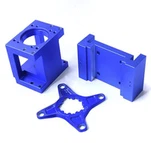
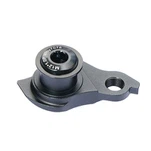
Sheet metal manufacturing is a fundamental process in the metalworking industry, involving the transformation of metal sheets into various parts and products through a series of techniques and operations. Here are some basic concepts and key aspects of sheet metal manufacturing:
1. Material Selection
Sheet metal can be made from a variety of materials, each with its own properties and applications:
Metals: Commonly used metals include steel (both carbon steel and stainless steel), aluminum, copper, and brass. The choice of metal depends on factors such as strength, corrosion resistance, weight, and cost.
Alloys: Alloys like aluminum alloys and stainless steel are often chosen for their specific properties, such as high strength-to-weight ratios or resistance to rust and corrosion.
2. Sheet Metal Thickness
Sheet metal thickness is typically measured in gauges or millimeters. Thinner sheets are easier to bend and form but may be less rigid, while thicker sheets offer greater strength and durability but require more force to shape.
3. Basic Processes
Sheet metal manufacturing involves several key processes:
Cutting: This is the process of removing excess material from the sheet. Methods include shearing, laser cutting, water jet cutting, and plasma cutting. Each method has its advantages in terms of precision, speed, and material compatibility.
Bending: Bending involves shaping the metal sheet into desired angles using tools like press brakes. The process requires careful consideration of the bend radius and the material's properties to avoid cracking or deformation.
Punching and Stamping: These processes involve creating holes or shapes in the sheet metal using dies and presses. Punching is used for smaller holes, while stamping can create more complex shapes and patterns.
Welding and Joining: Sheet metal parts are often joined together using welding techniques such as MIG (Metal Inert Gas) welding, TIG (Tungsten Inert Gas) welding, or spot welding. Riveting and fastening are also common methods for joining parts without melting the metal.
4. Design Considerations
When designing sheet metal parts, several factors must be considered:
Tolerance: The allowable deviation from the specified dimensions. Tighter tolerances require more precise manufacturing processes.
Formability: The ability of the material to be bent or shaped without cracking or breaking.
Tooling: The design of tools and dies used in the manufacturing process must be optimized for the specific material and part geometry.
5. Surface Finishing
After the basic manufacturing processes, sheet metal parts often require surface finishing to enhance appearance, protect against corrosion, or improve functionality:
Painting and Coating: Applying paint, powder coating, or other protective coatings to the surface.
Polishing and Buffing: Used to achieve a smooth, shiny finish, especially for decorative parts.
Anodizing: A process used primarily for aluminum to create a durable, corrosion-resistant oxide layer.
6. Applications
Sheet metal manufacturing is used in a wide range of industries and applications:
Automotive: Car bodies, engine parts, and structural components.
Aerospace: Aircraft skins, engine components, and interior parts.
Electronics: Enclosures, brackets, and heat sinks.
Construction: Roofing materials, architectural elements, and HVAC components.
7. Quality Control
Ensuring the quality of sheet metal products is crucial. This involves:
Inspection: Using tools like calipers, micrometers, and coordinate measuring machines (CMM) to verify dimensions and tolerances.
Testing: Conducting tests for strength, corrosion resistance, and other properties to ensure the final product meets the required specifications.
Sheet metal manufacturing is a versatile and essential process in modern industry. Understanding its principles and techniques allows for the creation of a wide range of products with high precision and durability.