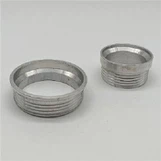
The bottom bracket shell is a crucial component in a bicycle, but its role in the bike's suspension system, if applicable, is often overlooked. As a dedicated bottom bracket shell supplier, I've delved deep into the mechanics and functions of this part, especially in relation to suspension systems. In this blog, I'll explore the significance of the bottom bracket shell in a bike's suspension system and how it impacts the overall riding experience.

Understanding the Basics of the Bottom Bracket Shell
Before we dive into its role in the suspension system, let's first understand what the bottom bracket shell is. The bottom bracket shell is a cylindrical tube located at the lowest point of the bike frame, where the crankset is installed. It provides a mounting point for the bottom bracket, which in turn supports the crankshaft and allows it to rotate smoothly. The bottom bracket shell's size, material, and design can vary depending on the type of bike and its intended use.
The Connection between the Bottom Bracket Shell and Suspension Systems
In a traditional hardtail bike, which lacks a rear suspension, the bottom bracket shell's primary function is to support the drivetrain. However, in full - suspension bikes, the bottom bracket shell plays a more complex role.
Structural Integrity
One of the key roles of the bottom bracket shell in a suspension system is to maintain the structural integrity of the bike frame. When the bike encounters bumps and rough terrain, the suspension system compresses and rebounds. This movement generates significant forces that are transferred throughout the frame. The bottom bracket shell acts as a critical junction point, helping to distribute these forces evenly across the frame. A well - designed bottom bracket shell can prevent stress concentrations that could lead to frame failure over time.
For example, in a high - end mountain bike with a sophisticated suspension system, the bottom bracket shell needs to be able to withstand the intense forces generated during aggressive riding. If the bottom bracket shell is not strong enough, it may crack or deform, compromising the bike's safety and performance.
Drivetrain Efficiency
The bottom bracket shell also affects the efficiency of the drivetrain in a suspension bike. When the suspension compresses and rebounds, it can cause the frame to flex slightly. This flex can lead to changes in the alignment of the bottom bracket and the crankset. A properly designed bottom bracket shell helps to minimize these alignment changes, ensuring that the drivetrain operates smoothly and efficiently.
In a full - suspension bike, the suspension movement can introduce additional forces on the bottom bracket. If the bottom bracket shell is not rigid enough, these forces can cause the bottom bracket to shift, resulting in increased friction and power loss. By providing a stable mounting point for the bottom bracket, the bottom bracket shell helps to maintain the correct alignment of the drivetrain components, allowing riders to transfer their power more effectively to the wheels.
Tuning the Suspension
The design of the bottom bracket shell can also influence the tuning of the suspension system. The position and orientation of the bottom bracket shell can affect the bike's center of gravity and the way the suspension responds to different types of terrain.
For instance, some suspension designs place the bottom bracket shell in a lower position to lower the bike's center of gravity, which can improve stability and handling. Additionally, the stiffness of the bottom bracket shell can be adjusted to fine - tune the suspension's performance. A stiffer bottom bracket shell may provide more precise handling, while a more flexible one may offer a smoother ride on rough terrain.
Materials and Their Impact on the Role of the Bottom Bracket Shell
The material used to manufacture the bottom bracket shell can have a significant impact on its role in the suspension system.
Aluminum
Aluminum is a popular choice for bottom bracket shells due to its lightweight and relatively low cost. Aluminum bottom bracket shells are strong enough to handle the forces generated by most suspension systems. They also offer good corrosion resistance, making them suitable for use in various weather conditions.
However, aluminum has a lower stiffness compared to some other materials. In high - performance suspension bikes, the relatively lower stiffness of aluminum bottom bracket shells may result in more frame flex, which can affect drivetrain efficiency. To compensate for this, manufacturers may use thicker walls or more complex shapes to increase the shell's stiffness.
Titanium
Titanium is another material commonly used for bottom bracket shells, especially in high - end bikes. Titanium offers a high strength - to - weight ratio, making it ideal for suspension bikes where weight is a critical factor. Titanium bottom bracket shells are also highly corrosion - resistant and can withstand high levels of stress without deforming.
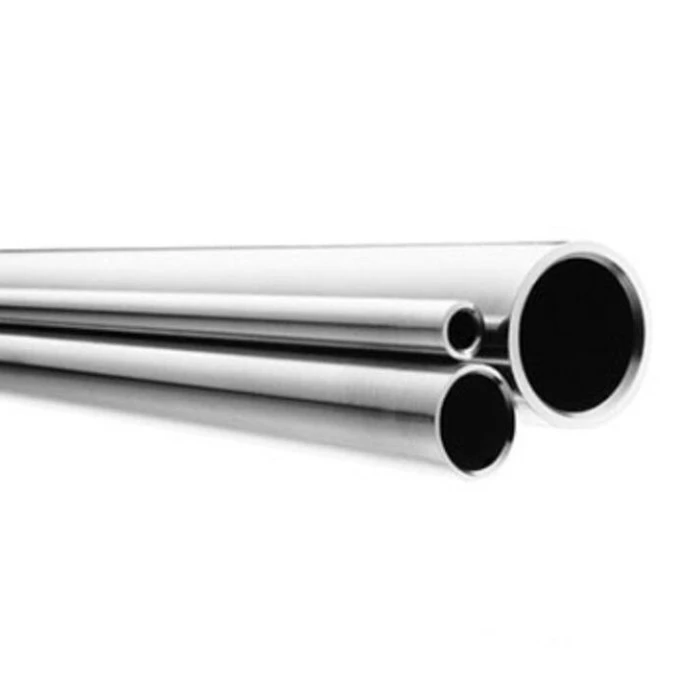
The stiffness of titanium can be carefully controlled during the manufacturing process, allowing for precise tuning of the bottom bracket shell's performance in the suspension system. Titanium bottom bracket shells can provide a good balance between strength, weight, and stiffness, enhancing the overall performance of the bike. If you are interested in titanium parts for your bike frame, you can check out our Titainium Gr9 Seamless Tubing, Titanium Headset Spacer, and Titanium Head Tubes.
Carbon Fiber
Carbon fiber is a lightweight and extremely strong material that is increasingly being used in bottom bracket shells. Carbon fiber bottom bracket shells can be designed to have very specific stiffness characteristics, allowing for precise tuning of the suspension system.
The ability to shape carbon fiber into complex geometries means that manufacturers can optimize the bottom bracket shell's design to minimize weight while maximizing strength and stiffness. However, carbon fiber is more expensive than aluminum and titanium, and it requires specialized manufacturing techniques.
Importance of Compatibility
When it comes to the bottom bracket shell's role in the suspension system, compatibility is crucial. The bottom bracket shell must be compatible with the type of bottom bracket, crankset, and suspension system used on the bike.
For example, different bottom bracket standards have different dimensions and mounting requirements. Using an incompatible bottom bracket shell can lead to poor installation, misalignment, and reduced performance. Additionally, the bottom bracket shell must be designed to work in harmony with the suspension system. A suspension system that is designed for a specific type of frame geometry may not perform optimally if the bottom bracket shell does not match the overall design.
Conclusion
In conclusion, the bottom bracket shell plays a vital role in a bike's suspension system. From maintaining structural integrity and ensuring drivetrain efficiency to influencing suspension tuning, its importance cannot be overstated. As a bottom bracket shell supplier, we understand the critical role that our products play in the overall performance of a bike. We offer a wide range of bottom bracket shells made from different materials to meet the diverse needs of bike manufacturers and riders.
If you are a bike manufacturer or an enthusiast looking for high - quality bottom bracket shells or other bike frame building parts, we invite you to contact us to discuss your specific requirements. Our team of experts is ready to provide you with the best solutions and help you create a bike that delivers exceptional performance on the road or the trail.
References
- "Bicycle Frame Design and Technology" by Richard Schwinn
- "The Physics of Cycling" by David Wilson
- Industry publications from major bike manufacturers and component suppliers