Hey there! As a supplier of stem parts, I've spent a good amount of time diving deep into the nitty - gritty of these components. One aspect that often doesn't get as much attention as it should is the periderm in stem parts. So, let's chat about what role the periderm plays in stem parts.
First off, what exactly is the periderm? Well, in simple terms, the periderm is a protective tissue that replaces the epidermis in stems and roots as they grow and mature. It's like a tough, outer shield that helps safeguard the inner parts of the stem.
One of the primary roles of the periderm in stem parts is protection. Just like our skin protects our bodies from various external threats, the periderm shields the stem from mechanical damage. Think about all the things that a stem might encounter in its life - from being bumped by passing animals or other plants to being exposed to harsh weather conditions. The periderm acts as a buffer, absorbing some of the impact and preventing the more delicate inner tissues from getting hurt. For instance, in a windy environment, the periderm can prevent abrasions and small cuts on the stem surface, which could otherwise lead to infections or water loss.


Another crucial function is water conservation. The periderm has a waxy layer called the suberin. This waxy substance acts as a waterproofing agent. It reduces the rate of water evaporation from the stem. In dry climates or during periods of drought, this is super important. Without the periderm and its suberin layer, the stem would lose water rapidly, which could lead to dehydration and ultimately, the death of the plant. For us as stem parts suppliers, understanding this function is vital because it gives us insights into how different materials can mimic or enhance this water - conservation property in our products.
The periderm also plays a role in defense against pathogens. It acts as a physical barrier that makes it difficult for bacteria, fungi, and other harmful microorganisms to penetrate the stem. Some periderm cells can even produce chemical compounds that have antibacterial or antifungal properties. This double - whammy of physical and chemical defense helps keep the stem healthy. If a stem gets infected, it can lose its structural integrity and functionality. As suppliers, we need to ensure that the stem parts we offer are resistant to such threats, and the knowledge of the periderm's defensive mechanisms can guide us in choosing the right materials and manufacturing processes.
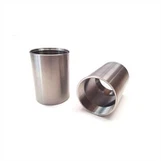
Now, let's talk about how this all ties into our business as stem parts suppliers. At our company, we understand the importance of these natural functions of the periderm. That's why we strive to create stem parts that can replicate some of these benefits. For example, when it comes to protection, we offer Titanium Stem Parts. Titanium is a strong and durable material, just like the periderm in a plant stem. It can withstand a lot of wear and tear, protecting the bike's inner components from damage.
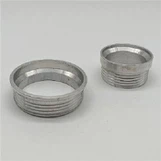
In terms of water conservation, we have products like the Bike Stem Riser Bike Fork Stem Extender Bicycle Handlebar Raiser Head Up Adapter Suitable For Mountain Bike, Road Bike, MTB, BMX, Fixie (Aluminium Alloy, Adjustable). Aluminium alloy has properties that can resist corrosion and water damage, similar to how the periderm's suberin layer protects the plant stem from water loss.
We're always on the lookout for new ways to improve our stem parts, taking inspiration from nature's design. Whether it's using new materials or coming up with innovative manufacturing techniques, our goal is to provide the best - quality stem parts that offer the same level of protection, water conservation, and defense as the periderm in a plant stem.
If you're in the market for high - quality stem parts, we'd love to hear from you. Whether you're a bike manufacturer looking for reliable components or an individual enthusiast wanting to upgrade your ride, we have the products and the expertise to meet your needs. Reach out to us to start a conversation about your requirements. We're ready to work with you to find the perfect stem parts for your project.
References
- Mauseth, J. D. (2016). Botany: An Introduction to Plant Biology. Jones & Bartlett Learning.
- Raven, P. H., Evert, R. F., & Eichhorn, S. E. (2017). Biology of Plants. W. H. Freeman and Company.