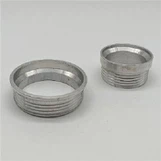
As a dedicated supplier of Head Tube Cups, I've encountered numerous inquiries from cycling enthusiasts, frame builders, and industry professionals about the necessity of lubricating head tube cups. This topic isn't just a matter of routine maintenance; it's a critical aspect that can significantly impact the performance, longevity, and overall riding experience of a bicycle. In this blog, I'll delve into the science behind lubricating head tube cups, exploring the benefits, potential drawbacks, and best practices.
Understanding Head Tube Cups
Before we dive into the lubrication debate, let's first understand what head tube cups are and their role in a bicycle. Head tube cups are components that are pressed into the ends of the head tube, which is the part of the bicycle frame where the fork steerer tube is inserted. They provide a smooth and stable surface for the headset bearings to rotate within, allowing the rider to steer the bike smoothly.
The quality of head tube cups is crucial for the overall performance of the headset. High - quality cups ensure proper alignment of the bearings, reduce friction, and prevent premature wear. As a supplier, I take pride in offering a wide range of head tube cups, crafted from premium materials to meet the diverse needs of cyclists and frame builders.
The Case for Lubricating Head Tube Cups
Reducing Friction
One of the primary reasons for lubricating head tube cups is to reduce friction between the cups and the headset bearings. Friction can cause heat buildup, which not only accelerates wear on the bearings but also makes steering less responsive. By applying a suitable lubricant, we create a thin film between the surfaces, allowing the bearings to rotate more freely. This results in smoother steering, reduced energy loss, and a more enjoyable riding experience.
Preventing Corrosion
Another significant benefit of lubrication is corrosion prevention. Head tube cups are often exposed to moisture, dirt, and other environmental contaminants. Over time, these elements can cause rust and corrosion, which can compromise the integrity of the cups and the headset. A good lubricant acts as a barrier, protecting the metal surfaces from oxidation and extending the lifespan of the components.


Easing Installation
Lubricating head tube cups during installation can also make the process much easier. A thin layer of lubricant reduces the amount of force required to press the cups into the head tube, minimizing the risk of damage to the cups or the frame. It also helps to ensure a more even distribution of pressure, resulting in a more secure and proper fit.
The Case Against Lubricating Head Tube Cups
Contamination
One potential drawback of lubricating head tube cups is the risk of contamination. Lubricants can attract dirt and debris, which can accumulate over time and cause problems. If the lubricant is not properly sealed, it can also migrate into other parts of the headset, potentially affecting the performance of the bearings or other components.
Loosening of Cups
In some cases, lubrication can cause the head tube cups to loosen over time. The lubricant can reduce the friction between the cups and the head tube, allowing the cups to shift or rotate slightly. This can lead to an unstable headset, which can be dangerous for the rider.
Best Practices for Lubricating Head Tube Cups
If you decide to lubricate your head tube cups, it's essential to follow some best practices to ensure optimal results.
Choose the Right Lubricant
Not all lubricants are created equal. When selecting a lubricant for head tube cups, look for one that is specifically designed for high - load applications and is resistant to water and contaminants. Grease is a popular choice, as it provides long - lasting lubrication and is less likely to drip or run off.
Apply the Lubricant Sparingly
Less is often more when it comes to lubrication. Apply a thin, even layer of lubricant to the contact surfaces of the head tube cups. Avoid using too much lubricant, as this can increase the risk of contamination and make the cups more prone to loosening.
Clean the Surfaces
Before applying lubricant, make sure the head tube cups and the head tube are clean and free of dirt, debris, and old lubricant. Use a suitable cleaner and a soft brush to remove any contaminants, and dry the surfaces thoroughly before lubrication.
When Not to Lubricate
In some cases, lubricating head tube cups may not be necessary or even recommended. For example, if you are using a press - fit headset system that relies on a tight interference fit between the cups and the head tube, lubrication can actually compromise the fit. In these situations, it's best to follow the manufacturer's instructions and avoid lubrication.
Related Products in the Bicycle Industry
As a supplier, I also offer a variety of related products that complement our head tube cups. For instance, the BB30 Press Fit Shell is a high - quality component for bicycle frames, designed to provide a secure and lightweight solution for bottom bracket installation. The Titainium Gr9 Seamless Tubing is another excellent option, known for its strength, durability, and corrosion resistance. And of course, the Bottom Bracket Shell is an essential part of any bicycle frame, ensuring proper alignment and support for the bottom bracket.
Conclusion
The question of whether head tube cups need to be lubricated doesn't have a one - size - fits - all answer. It depends on various factors, such as the type of headset, the riding conditions, and personal preferences. However, in most cases, lubricating head tube cups can offer significant benefits, including reduced friction, corrosion prevention, and easier installation.
If you're a cyclist or a frame builder in need of high - quality head tube cups or other bicycle components, I encourage you to reach out to me. I'm always ready to assist you in finding the right products for your needs and providing expert advice on installation and maintenance. Let's work together to enhance the performance and longevity of your bicycles.
References
- "Bicycle Mechanics Handbook" by Park Tool Company
- "The Bicycle Framebuilder's Manual" by Richard Sachs