Introduction to CNC Part Machining
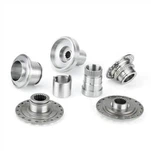
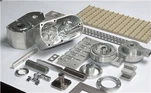
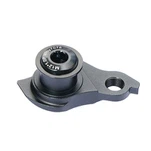
CNC part machining, also known as Computer Numerical Control machining, is a highly precise manufacturing process that uses computer-controlled machines to fabricate parts from a variety of materials. This technology is widely recognized for its efficiency, precision, and ability to produce complex parts with intricate details.
Key Features of CNC Part Machining:
Automation: CNC machining is largely automated, with computer programs dictating the movement of cutting tools and the machine's functions.
Precision: The process offers exceptional accuracy, with the ability to hold tight tolerances and produce parts with high repeatability.
Complexity: CNC machines can create parts with complex geometries that would be difficult or impossible to achieve through manual machining.
Material Variety: CNC machining is capable of working with a wide range of materials, including metals, plastics, and composites.
Efficiency: Once programmed, CNC machines can produce parts quickly and without the need for constant supervision.
Customization: The process is highly adaptable, allowing for the production of custom parts tailored to specific design requirements.
Process Steps in CNC Machining:
Design: The part is designed using CAD (Computer-Aided Design) software, creating a detailed 3D model or blueprint.
CAM Programming: The CAD model is then converted into a toolpath using CAM (Computer-Aided Manufacturing) software, which generates the instructions for the CNC machine.
Setup: The workpiece material is securely mounted in the CNC machine, and the appropriate cutting tools are selected based on the material and design of the part.
Machining: The CNC machine follows the programmed toolpath to remove material from the workpiece, shaping it into the desired part.
Inspection: After machining, the part is inspected using various measuring tools and techniques to ensure it meets the required specifications.
Finishing: Depending on the application, the part may undergo additional operations such as deburring, polishing, or heat treatment.
Advantages of CNC Machining:
Reduced Lead Times: CNC machining can expedite the production process, leading to faster turnaround times.
Cost-Effectiveness: For complex parts, CNC machining can be more cost-effective than traditional manufacturing methods.
Consistency: The automated nature of CNC machining ensures consistent part quality, even in large production runs.
Flexibility: CNC machines can be quickly reprogrammed to produce different parts or designs, offering versatility in production.
Applications of CNC Machining:
Aerospace: Precision parts for aircraft engines, landing gear, and other components.
Automotive: Engine parts, transmission components, and custom performance parts.
Medical: Precision components for medical devices and instruments.
Consumer Electronics: Housings, cases, and intricate parts for electronic devices.
Industrial Equipment: Custom parts for machinery and industrial tools.
Conclusion:
CNC part machining is a cornerstone of modern manufacturing, offering a combination of precision, efficiency, and versatility that is unmatched by other methods. As technology continues to evolve, the capabilities of CNC machining expand, enabling manufacturers to produce increasingly complex and precise parts across a wide range of industries. This technology plays a vital role in innovation and the advancement of many sectors, from high-tech to heavy industry.