Introduction to Precision Parts Processing with Emphasis on Wear Resistance and Fall Prevention
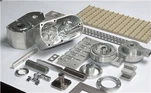
Precision parts processing is an advanced manufacturing technique that focuses on creating components with exacting specifications and high-quality surface finishes. In industries where durability and safety are paramount, such as automotive, aerospace, and heavy machinery, precision parts must not only meet tight tolerances but also exhibit wear resistance and incorporate features that prevent falls or damage.
Key Attributes of Precision Parts Processing:
High Tolerance: Parts are manufactured to tight dimensional tolerances, ensuring they fit and function as intended within complex systems.
Surface Finish: The surface of the parts is refined to reduce friction, improve aesthetics, and enhance wear resistance.
Material Selection: Choosing materials that inherently possess wear-resistant properties or can be treated to enhance durability.
Design Considerations: Incorporating design elements that mitigate the risk of falls or failures, such as anti-slip features or structural reinforcements.
Quality Assurance: Implementing rigorous inspection and testing protocols to ensure each part meets the required standards for wear resistance and safety.
Wear Resistance in Precision Parts:
Hard Coatings: Applying hard coatings or surface treatments like chrome plating, carbide coatings, or anodizing to improve wear resistance.
Heat Treatment: Processes such as hardening and tempering can alter the microstructure of the material, enhancing its hardness and durability.
Material Grades: Selecting high-grade materials that are known for their wear resistance, such as stainless steels, tool steels, or specialized alloys.
Lubrication: Designing parts to accommodate lubrication, which can reduce wear by minimizing direct contact between moving parts.
Fall Prevention in Precision Parts:
Anti-Slip Surfaces: Incorporating textured or patterned surfaces that provide better grip and reduce the risk of slipping.
Locking Mechanisms: Designing parts with locking features that ensure secure connections and prevent accidental detachment or movement.
Structural Integrity: Ensuring that parts are manufactured with adequate strength and rigidity to withstand the forces that could lead to falls or collapses.
Safety Features: Integrating safety features such as guards, stops, or fail-safe mechanisms that prevent parts from moving beyond their intended range.
Applications of Precision Parts with Wear Resistance and Fall Prevention:
Automotive Industry: Components like brake discs, transmission gears, and suspension parts that require high wear resistance and safety features to prevent failure.
Aerospace: Precision parts for aircraft, such as landing gear components and engine mounts, that must withstand extreme conditions and prevent catastrophic failure.
Machinery and Equipment: Parts for industrial machinery that are subject to heavy wear and must have features to prevent accidents in the workplace.
Construction: Components used in construction equipment, like bearings and joints, that need to resist wear and incorporate safety features to prevent structural failures.
Conclusion:
Precision parts processing with a focus on wear resistance and fall prevention is vital for industries where the reliability and safety of machinery are critical. By combining advanced manufacturing techniques with thoughtful design and stringent quality control, manufacturers can produce parts that not only meet precise dimensional requirements but also offer the durability and safety features needed to withstand the rigors of their intended applications. This approach to precision parts processing is essential for maintaining high standards across various sectors and ensuring the well-being of both equipment and personnel.