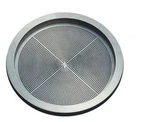
The whole process of part processing involves a series of well-defined steps that transform raw materials into finished parts suitable for their intended use. Each step is crucial to ensure the quality, functionality, and precision of the final product. Here's an overview of the entire process in English:
1. Conceptualization and Design
Idea Generation: The process begins with the conceptualization of a part based on its intended function and application.
Design: Engineers use computer-aided design (CAD) software to create detailed 3D models and 2D drawings of the part.
2. Material Selection
Material Specification: The choice of material is based on the part's design requirements, such as strength, durability, and weight.
Material Procurement: High-quality raw materials are sourced and delivered to the manufacturing facility.
3. Material Preparation
Inspection: The raw material is inspected for defects or impurities.
Preparation: The material may be cut, forged, or otherwise prepared to the correct size and shape for the next steps.
4. Machining
Tooling and Fixtures: Appropriate cutting tools and fixtures are selected and set up to hold the workpiece securely during machining.
Cutting: Using machines like lathes, mills, or CNC machines, material is removed from the workpiece to achieve the desired shape and dimensions.
5. Precision Machining
Programming: For CNC machines, a program is written to control the tool paths and machining operations.
Machining Operations: These include turning, milling, drilling, tapping, and boring to create the part's features.
6. Inspection and Quality Control
Measurement: Parts are measured using various tools and instruments to ensure they meet the specified tolerances.
Quality Checks: Visual inspections, dimensional checks, and functional tests are performed to verify the part's quality.
7. Heat Treatment
Annealing: To relieve stresses and make the material more workable.
Hardening: To increase the hardness and strength of the part.
Tempering: To improve the toughness and reduce brittleness.
8. Finishing Processes
Grinding: To achieve a fine surface finish and improve dimensional accuracy.
Polishing: To enhance the appearance and reduce surface roughness.
Plating: To apply a protective coating or improve the part's corrosion resistance.
9. Assembly
Component Integration: If the part is one of several in a larger assembly, it is fitted together with other components.
Adjustments: Fine-tuning may be required to ensure proper fit and function.
10. Final Inspection
Comprehensive Check: The part undergoes a final inspection to ensure it meets all design specifications and quality standards.
Documentation: Inspection results and certifications are documented for quality assurance and traceability.
11. Packaging and Shipping
Packaging: Finished parts are packaged to protect them from damage during transport.
Shipping: The parts are dispatched to the customer or to the next stage in the supply chain.
12. After-Sales Service
Support: Manufacturers may provide technical support and maintenance services after delivery.
Feedback: Customer feedback is gathered to continually improve the part and the processing process.
13. Continuous Improvement
Review: The entire process is reviewed to identify areas for improvement.
Innovation: New technologies, materials, and techniques are explored to enhance efficiency and quality.
Understanding the entire process of part processing is essential for anyone involved in manufacturing, as it highlights the interconnectedness of each step and the importance of precision and quality control throughout the production cycle.