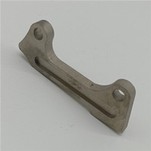
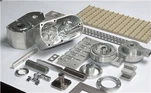
CNC (Computer Numerical Control) precision parts machining is a manufacturing process that offers numerous benefits for a wide range of industries. Here's an overview of the advantages of using CNC precision parts machining:
High Precision: CNC machines are programmed to achieve extremely tight tolerances, often within a few microns. This level of precision is difficult to match with manual machining methods.3
Repeatability: The ability to produce identical parts in large quantities is a significant advantage of CNC machining. This consistency is crucial for industries where interchangeability of parts is required.3
Complexity: CNC machines can manufacture parts with complex geometries that would be difficult or impossible to create using traditional machining methods.2
Efficiency: The automation of the CNC process reduces the time spent on manual operations, leading to increased productivity and faster production times.8
Cost-Effectiveness: While the initial investment in CNC machinery can be high, the reduced labor costs, lower waste, and increased efficiency make it a cost-effective solution for mass production over time.3
Material Versatility: CNC machines can work with a variety of materials, including metals, plastics, woods, and composites. This versatility allows for a broader range of applications.3
Reduced Lead Times: Since the machining process is automated, parts can be produced more quickly, reducing the time from design to final product.2
Customization: CNC machining allows for the production of custom parts tailored to specific design requirements, offering a high degree of flexibility for manufacturers.9
Consistent Quality: The automated nature of CNC machining ensures that the quality of the parts produced is consistent, reducing the likelihood of human error.8
Use of Advanced Technologies: Modern CNC machines often incorporate advanced features like 5-axis machining, which allows for more intricate and detailed parts to be created.7
Environmental Benefits: CNC machining tends to produce less waste than traditional methods, as the process is more controlled and material is used more efficiently.4
Scalability: The process can be scaled up or down to meet production demands, making it suitable for both small batch production and large-scale manufacturing.8
In summary, CNC precision parts machining is a highly advantageous process that provides industries with the ability to create parts that are precise, consistent, and complex, all while maintaining efficiency and cost-effectiveness.