Sheet metal parts are widely used across various industries, and selecting the appropriate material is crucial for ensuring their performance and durability. Here is an introduction to common materials used in sheet metal fabrication and their suitable applications:
1. Steel Sheets
Steel is one of the most common materials used in sheet metal parts due to its strength, durability, and cost-effectiveness. There are several types of steel sheets:
Cold-Rolled Steel (CRS): This type of steel is processed through cold rolling, resulting in a smooth surface and improved mechanical properties. It is suitable for applications requiring high strength and formability, such as automotive parts, machinery frames, and structural components.
Hot-Rolled Steel: Hot-rolled steel sheets are processed at high temperatures, making them more ductile and suitable for heavy-duty applications. They are commonly used in construction and industrial machinery.
Galvanized Steel: This steel is coated with a layer of zinc to enhance corrosion resistance. It is ideal for outdoor applications, such as roofing materials, HVAC components, and automotive parts.
Stainless Steel: Stainless steel sheets (e.g., grades 304 and 316) are known for their excellent corrosion resistance and aesthetic appeal. They are used in food processing equipment, medical devices, and decorative components.
2. Aluminum Sheets
Aluminum is lightweight, corrosion-resistant, and has good thermal and electrical conductivity. Common aluminum alloys used in sheet metal fabrication include:
Aluminum 1060: This pure aluminum alloy is soft and ductile, making it suitable for applications requiring high corrosion resistance and good formability, such as chemical equipment and decorative parts.
Aluminum 5052: Known for its excellent corrosion resistance and moderate strength, this alloy is used in marine applications, fuel tanks, and general-purpose sheet metal parts.
Aluminum 6061: This alloy offers a good balance of strength and formability and is widely used in structural components, automotive parts, and aircraft components.
3. Copper and Copper Alloys
Copper and its alloys are used for their excellent electrical and thermal conductivity, corrosion resistance, and aesthetic appeal:
Pure Copper (T2): This material is highly conductive and corrosion-resistant, making it ideal for electrical components, heat exchangers, and decorative parts.
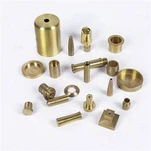
Brass (H62): A copper-zinc alloy, brass offers good strength, formability, and corrosion resistance. It is commonly used in plumbing, electrical components, and decorative applications.
4. Other Materials
Titanium Alloy Sheets: These are used in high-performance applications where strength, corrosion resistance, and low weight are critical, such as aerospace components and medical implants.
Copper Alloys: These materials combine the properties of copper with other metals to enhance specific characteristics like strength or corrosion resistance.
Considerations for Material Selection
When selecting materials for sheet metal parts, several factors must be considered:
Strength and Durability: The material should meet the mechanical requirements of the application.
Corrosion Resistance: Materials like stainless steel and aluminum are preferred for environments where corrosion is a concern.
Cost: Steel and aluminum are generally more cost-effective than specialty materials like titanium or copper.
Formability: The material should be suitable for the specific forming processes required, such as bending or stamping.
Surface Finish: Some materials may require additional surface treatments like painting, anodizing, or plating to enhance their appearance or functionality.
By carefully selecting the appropriate material based on these factors, manufacturers can ensure that sheet metal parts meet the desired performance and durability requirements for their intended applications.