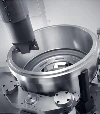
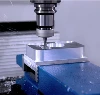
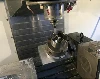
Mechanical automation equipment parts processing involves the manufacturing and finishing of components that are used in automated machinery and systems. These parts are critical for the functioning of various automated processes and are designed to work together with precision and reliability. Here's an introduction to mechanical automation equipment parts processing in English:
Mechanical Automation Equipment Parts Processing Overview:
Definition: Mechanical automation equipment parts processing is the specialized manufacturing of individual components that are used in automated systems, such as robotic arms, conveyors, and assembly lines.
Key Components:
Bearings: Allow for smooth rotation and reduce friction in moving parts.
Gears and Sprockets: Transfer motion and force in a precise manner.
Pulleys: Used to transmit power through a belt in a mechanical system.
Motors and Actuators: Provide the power to drive the mechanical components.
Manufacturing Techniques:
Casting: Producing parts by pouring molten metal into a mold.
Forging: Shaping metal through the application of force while it's heated.
Machining: Using lathes, mills, and other machine tools to cut and shape metal.
Stamping: Creating parts by pressing metal sheets between dies.
Material Choices:
Steel: For high-strength and wear-resistant parts.
Aluminum: For lightweight components that require less strength.
Plastics: Used for non-load bearing parts or where electrical insulation is needed.
Composites: For parts that require specific properties, such as high stiffness-to-weight ratios.
Finishing Processes:
Polishing: To improve the surface finish and reduce friction.
Heat Treatment: To alter the physical properties of the metal, such as hardness or toughness.
Coating: Applying protective layers to prevent corrosion and wear.
Quality Control:
Inspection: Closely examining parts for defects and ensuring they meet specifications.
Testing: Subjecting parts to stress tests to verify their durability and reliability.
Applications:
Industrial Machinery: Parts for manufacturing equipment in the automotive, aerospace, and electronics industries.
Robotics: Components for robotic arms and automated guided vehicles (AGVs).
Packaging Machinery: For automated filling, sealing, and labeling systems.
Challenges:
Precision: Ensuring that parts fit and function correctly within tight tolerances.
Compatibility: Designing parts that work seamlessly with other components in the automated system.
Reliability: Producing parts that can withstand the rigors of continuous operation.
Future Trends:
Additive Manufacturing: Using 3D printing to create complex parts with reduced material waste.
Modular Design: Creating parts that can be easily replaced or upgraded.
Sustainability: Focusing on the use of recyclable materials and energy-efficient manufacturing processes.
Mechanical automation equipment parts processing is a critical aspect of the automation industry, enabling the creation of efficient, reliable, and precise automated systems. As automation technology continues to advance, the demand for high-quality, specialized parts will continue to grow, driving innovation in manufacturing techniques and materials.