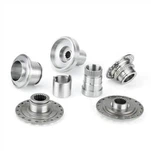
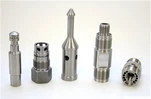
Design for Manufacturability (DFM): The part design should be evaluated for manufacturability. Features such as undercuts, thin walls, and complex geometries can be challenging to machine and may require additional steps or specialized tooling.
Material Selection: The choice of material affects machinability, tool life, and the final part properties. Hardness, thermal conductivity, and work-hardening characteristics are important considerations.
Tooling: The right cutting tools are essential. Tool material, size, and geometry must be matched to the material being machined and the specific operation.
Cutting Parameters: Optimal cutting speeds, feed rates, and depths of cut must be determined to balance productivity with tool life and part quality.
Fixtures and Clamping: Secure and precise work-holding fixtures are crucial to prevent part movement and ensure repeatability.
Program Verification: Before full-scale production, the CNC program should be verified for accuracy and collision avoidance to prevent tool crashes and damage to the machine or part.
Coolant and Lubrication: The use of cutting fluids can extend tool life, improve surface finish, and facilitate the removal of chips.
Machine Calibration: Regular maintenance and calibration of the CNC machine ensure that it operates within specified tolerances.
Tolerance and Surface Finish: Closely monitor tolerances and surface finish requirements, as they directly impact the fit and function of the part in its final application.
Inspection and Quality Control: Implement a robust inspection process using measuring tools and gauges to verify dimensions and quality throughout the production run.
Operator Training: Skilled operators are key to successful CNC machining. They must be well-trained in programming, setup, operation, and quality inspection.
Safety Measures: Ensure that all safety protocols are followed, including the use of personal protective equipment (PPE) and adherence to machine safeguarding procedures.
Environmental Control: Maintaining a controlled environment can be important for temperature-sensitive materials or when precise measurements are required.
Program Optimization: Optimize the CNC program to minimize non-productive time, such as tool changes and idle periods.
Post-Processing: Consider the need for post-machining operations like deburring, heat treatment, or finishing, which can affect the final properties and appearance of the part.
Documentation: Keep detailed records of the machining process, including program parameters, tooling used, and any issues encountered, for traceability and continuous improvement.
Cost Analysis: Regularly review the cost-effectiveness of the machining process, looking for opportunities to reduce waste, improve efficiency, and minimize downtime.
By paying close attention to these factors, manufacturers can achieve high-quality CNC precision parts with consistent reliability and efficiency, which is essential for maintaining a competitive edge in the market.