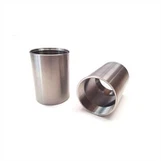
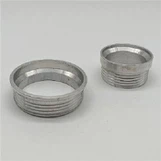
What is the Quality Standard for Bottom Bracket Shells?
As a supplier of Bottom Bracket Shells, I've witnessed firsthand the crucial role these components play in the performance and durability of bicycles. A bottom bracket shell is not just a simple part; it's the heart of the drivetrain system, connecting the crankset to the frame and facilitating smooth pedaling. In this blog, I'll delve into the quality standards that define a top - notch bottom bracket shell.
1. Material Quality
The choice of material is fundamental in determining the quality of a bottom bracket shell. Commonly used materials include steel, aluminum, and titanium.
Steel has long been a favorite in the cycling industry due to its high strength and excellent durability. It can withstand heavy loads and repeated stress without significant deformation. For high - end bottom bracket shells, chromoly steel is often used. Chromoly steel is an alloy that contains chromium and molybdenum, which enhances its strength - to - weight ratio and corrosion resistance. However, steel is relatively heavy compared to other materials, which may not be ideal for high - performance racing bikes.
Aluminum, on the other hand, is lightweight and has good corrosion resistance. It is a popular choice for mid - range and high - end bicycles where weight reduction is a priority. Aluminum bottom bracket shells are often anodized to further improve their surface hardness and corrosion resistance. Anodizing is an electrochemical process that creates a protective oxide layer on the surface of the aluminum, making it more durable and resistant to scratches and wear.


Titanium is the premium material for bottom bracket shells. It offers an excellent combination of high strength, low weight, and superior corrosion resistance. Titanium is biocompatible, which means it is less likely to cause allergic reactions. However, titanium is also more expensive to produce, which makes it suitable mainly for high - end, custom - built bicycles.
When evaluating the material quality of a bottom bracket shell, it's important to consider the intended use of the bicycle. For a commuter bike or a touring bike, a steel bottom bracket shell may be the best choice due to its durability. For a racing bike or a high - performance mountain bike, aluminum or titanium may be more appropriate to reduce weight and improve performance.
2. Dimensional Accuracy
Dimensional accuracy is another critical quality standard for bottom bracket shells. The shell must have precise inner and outer diameters to ensure a proper fit with the bottom bracket and the bicycle frame.
The inner diameter of the bottom bracket shell is designed to accommodate the bottom bracket cups or bearings. A too - small inner diameter can make it difficult to install the bottom bracket, while a too - large diameter can result in a loose fit, which can lead to excessive play and premature wear of the components. The tolerance for the inner diameter is typically very tight, often within a few thousandths of an inch.
The outer diameter of the bottom bracket shell must also be accurate to fit snugly into the frame. It is usually designed to match the tube diameter of the bicycle frame. Any deviation from the specified outer diameter can cause problems during the frame - building process, such as difficulty in welding or brazing the shell to the frame.
In addition to the inner and outer diameters, the length of the bottom bracket shell is also important. The length must be consistent with the design of the bicycle to ensure proper chainline and crankset alignment. A chainline that is not properly aligned can cause the chain to rub against the derailleur or the frame, leading to poor shifting performance and increased wear on the chain and sprockets.
3. Surface Finish
A high - quality bottom bracket shell should have a smooth and uniform surface finish. The surface finish affects not only the appearance of the shell but also its functionality.
A smooth surface finish reduces friction between the bottom bracket shell and the bottom bracket cups or bearings. This helps to improve the efficiency of the drivetrain system and reduces wear on the components. It also makes it easier to install and remove the bottom bracket, which is important for maintenance and repairs.
The surface finish should also be free of defects such as scratches, pits, or burrs. These defects can cause stress concentrations, which can lead to premature failure of the shell. In addition, scratches and pits can provide a pathway for moisture and dirt to enter the shell, which can cause corrosion and damage to the bottom bracket components.
For aluminum and titanium bottom bracket shells, a proper surface treatment is often applied to enhance the surface finish. As mentioned earlier, anodizing is a common surface treatment for aluminum shells, which not only improves the surface hardness but also gives the shell a more attractive appearance. Titanium shells may be polished or bead - blasted to achieve a smooth and uniform surface finish.
4. Compatibility
Compatibility is a key quality standard for bottom bracket shells. The shell must be compatible with the bottom bracket and the crankset that will be used in the bicycle.
There are several different types of bottom bracket standards, such as English, Italian, and Press - Fit. Each standard has its own specific dimensions and threading requirements. It's essential to ensure that the bottom bracket shell is designed to match the chosen bottom bracket standard. Using an incompatible bottom bracket shell can lead to installation problems, poor performance, and premature wear of the components.
In addition to the bottom bracket standard, the bottom bracket shell must also be compatible with the crankset. The shell must provide enough clearance for the crank arms to rotate freely without interference. The chainline must also be correct to ensure smooth shifting and efficient power transfer.
When choosing a bottom bracket shell, it's important to consult the manufacturer's specifications and compatibility charts to ensure that the shell is suitable for the intended bottom bracket and crankset.
5. Strength and Durability
Strength and durability are perhaps the most important quality standards for bottom bracket shells. The shell must be able to withstand the forces generated by the rider's pedaling and the movement of the drivetrain system.
During pedaling, the bottom bracket shell is subjected to significant torque and bending forces. These forces can cause the shell to deform or crack if it is not strong enough. A high - quality bottom bracket shell should be designed to distribute these forces evenly and prevent stress concentrations.
To ensure strength and durability, the material, design, and manufacturing process of the bottom bracket shell are all important factors. As mentioned earlier, the choice of material such as steel, aluminum, or titanium can significantly affect the strength of the shell. The design of the shell, including its wall thickness and shape, also plays a crucial role in determining its strength.
The manufacturing process can also impact the strength and durability of the bottom bracket shell. For example, precision machining and heat treatment can improve the mechanical properties of the material and make the shell more resistant to fatigue and wear.
At [our company], we take great pride in providing high - quality Bottom Bracket Shells that meet all the above - mentioned quality standards. Our products are carefully designed and manufactured to ensure the best performance and durability. Whether you are a bicycle manufacturer, a frame builder, or an individual looking for a replacement bottom bracket shell, we have the right product for you.
If you are interested in our Bottom Bracket Shells, or other related products such as Head Tube Cups and Titanium Head Tubes, please feel free to contact us for more information. We are always ready to discuss your specific requirements and provide you with the best solutions. We look forward to the opportunity to work with you and contribute to the success of your cycling projects.
References
- Bicycle Frame Building Manuals
- Cycling Industry Magazines
- Manufacturer's Specifications for Bottom Bracket Components