Do Head Tube Cups need to be adjusted after installation?
As a supplier of Head Tube Cups, I often encounter questions from cyclists and bike enthusiasts about the necessity of adjusting head tube cups after installation. In this blog post, I'll delve into this topic, exploring the factors that determine whether adjustment is required and providing insights to help you make informed decisions.
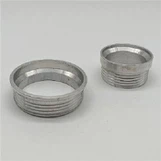
First, let's understand what head tube cups are and their role in a bicycle. Head tube cups are components that fit into the top and bottom of the head tube of a bicycle frame. They provide a smooth surface for the headset bearings to sit on, allowing the fork to rotate freely and enabling the rider to steer the bike. A proper installation of head tube cups is crucial for the overall performance and safety of the bicycle.
When it comes to the question of whether head tube cups need adjustment after installation, the answer isn't always straightforward. It depends on several factors, including the type of headset, the installation process, and the quality of the components.
Types of Headsets and Their Impact on Adjustment
There are different types of headsets available in the market, each with its own characteristics and requirements. For example, threadless headsets are widely used in modern bicycles. They are relatively easy to install and adjust. In most cases, if the head tube cups are installed correctly with a threadless headset, there may not be a need for significant adjustment. However, it's still important to check for proper preload. Preload refers to the amount of pressure applied to the headset bearings to ensure smooth operation without excessive play. If the preload is too loose, the headset may feel sloppy, and the steering may be imprecise. On the other hand, if the preload is too tight, it can cause excessive friction, leading to premature wear of the bearings and components.
Another type of headset is the threaded headset. These headsets are more common in older bicycles. Installing and adjusting a threaded headset can be a bit more complex. The head tube cups need to be installed with the correct orientation and alignment. After installation, it's necessary to adjust the locknut to achieve the proper preload. This adjustment process often requires some trial and error to get it just right.
The Installation Process and Its Influence on Adjustment
The quality of the installation process plays a significant role in determining whether head tube cups need adjustment. If the installation is done carefully and following the manufacturer's instructions, the likelihood of needing adjustment is reduced.


When installing head tube cups, it's essential to ensure that the head tube is clean and free of any debris or burrs. This helps to ensure a proper fit and prevents damage to the cups and bearings. Additionally, using the correct tools for installation is crucial. For example, a press fit installation may require a specialized headset press to ensure that the cups are installed evenly and at the correct depth.
If the installation is rushed or not done correctly, it can lead to issues such as misaligned head tube cups. Misaligned cups can cause uneven pressure on the bearings, resulting in premature wear and poor performance. In such cases, adjustment or even reinstallation may be necessary.
Quality of Components
The quality of the head tube cups and other headset components also affects whether adjustment is needed. High - quality head tube cups are designed to have precise dimensions and smooth surfaces. They are more likely to fit correctly and require less adjustment after installation.
For instance, our Head Tube Cups are manufactured with strict quality control measures. We use high - grade materials to ensure durability and a perfect fit. When you choose our products, you can have more confidence in the installation process and may find that adjustment requirements are minimized.
However, lower - quality head tube cups may have dimensional variations or rough surfaces. These imperfections can lead to problems during installation and may require additional adjustment to compensate for the flaws.
Signs That Head Tube Cups Need Adjustment
Even if the installation seems to go smoothly, there are some signs that may indicate the need for adjustment. One of the most obvious signs is excessive play in the headset. If you can feel the fork moving back and forth or side to side when you try to wiggle it, it's a sign that the preload is too loose.
Another sign is a clicking or grinding noise when turning the handlebars. This could be due to uneven pressure on the bearings caused by misaligned head tube cups or improper preload.
In some cases, you may notice that the steering feels stiff or difficult to turn. This could be a result of too much preload or a problem with the alignment of the head tube cups.
How to Adjust Head Tube Cups
If you determine that your head tube cups need adjustment, here are the general steps for adjusting a threadless headset:
- First, loosen the stem bolts that clamp the stem to the fork steerer tube.
- Then, adjust the preload by turning the top cap. Turning the top cap clockwise increases the preload, while turning it counter - clockwise decreases the preload.
- After making the adjustment, check the headset for play. You can do this by holding the front wheel firmly and trying to move the fork back and forth and side to side. There should be just a slight amount of resistance, but no play.
- Once you're satisfied with the adjustment, tighten the stem bolts to the recommended torque.
For a threaded headset, the adjustment process is a bit different:
- Loosen the locknut on the top of the steerer tube.
- Adjust the preload by turning the headset cup at the top of the head tube. Turning it clockwise increases the preload, and turning it counter - clockwise decreases the preload.
- Check for proper preload as described above.
- Once the preload is correct, tighten the locknut to secure the adjustment.
The Importance of Regular Maintenance
Regardless of whether your head tube cups need adjustment after installation, regular maintenance is essential. Over time, the headset components can wear due to normal use, and the preload may change. By regularly checking and adjusting the headset, you can ensure that your bicycle continues to perform at its best.
During maintenance, it's also a good idea to inspect the head tube cups for any signs of damage or wear. If you notice any cracks, chips, or excessive wear on the cups, it's recommended to replace them to prevent further problems.
Related Components and Their Role
In addition to head tube cups, other components such as Titanium Headset Spacer and BB30 Press Fit Shell also play important roles in the overall performance of the bicycle. Titanium headset spacers are used to adjust the height of the handlebars. They need to be installed correctly to ensure proper alignment and balance. The BB30 press fit shell is related to the bottom bracket area of the bicycle. A well - installed BB30 press fit shell can contribute to the overall stability and performance of the bike, which in turn can affect the way the headset functions.
Conclusion
In conclusion, whether head tube cups need to be adjusted after installation depends on various factors such as the type of headset, the installation process, and the quality of the components. While it's possible that in some cases, no adjustment is needed if everything is installed correctly, it's always a good idea to check for proper preload and alignment. Regular maintenance and inspection of the headset are also crucial for the long - term performance and safety of your bicycle.
If you're in the market for high - quality head tube cups or other bicycle frame building parts, we are here to help. Our products are designed to meet the highest standards of quality and performance. Contact us for more information and to discuss your specific needs. We look forward to working with you to ensure that your bicycle is equipped with the best components for a smooth and enjoyable ride.
References
- Bicycle Mechanics Manuals
- Industry standards and guidelines for headset installation and adjustment