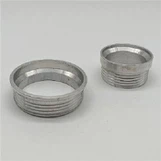
Hey there, cycling enthusiasts! As a supplier of bottom bracket shells, I often get asked about the purpose of the seals on these crucial bike components. So, let's dive right in and explore what these seals are all about.
First off, what exactly is a bottom bracket shell? It's a part of the bike frame where the bottom bracket, which connects the crankset to the frame, is installed. The bottom bracket shell provides a stable housing for the bottom bracket and ensures smooth rotation of the crankset. And that's where the seals come into play.
The primary purpose of the seals on a bottom bracket shell is to keep dirt, water, and other contaminants out. When you're riding your bike, especially off - road or in wet conditions, there's a lot of grime and moisture around. If this stuff gets into the bottom bracket, it can cause all sorts of problems. Dirt can act like sandpaper, wearing down the bearings inside the bottom bracket. Water can lead to rust, which will not only damage the bearings but also make the crankset rotation rough and noisy.
Think about it like this: Your bottom bracket is like the heart of your bike's drivetrain. If the seals aren't doing their job, and contaminants get in, it's like having junk clogging up your heart. The whole system starts to malfunction, and you'll end up with a bike that doesn't perform as well as it should.
Another important function of the seals is to retain the lubricant. Inside the bottom bracket, there's usually a special lubricant that helps the bearings move smoothly. The seals act as a barrier, preventing this lubricant from leaking out. Without the proper amount of lubricant, the friction between the moving parts increases, leading to more wear and tear, and eventually, the need for costly repairs or replacements.


Now, let's talk about the different types of seals you might find on a bottom bracket shell. There are rubber seals, which are quite common. They're flexible and can conform well to the surfaces, providing a good seal against contaminants. However, rubber can degrade over time, especially when exposed to sunlight, chemicals, and extreme temperatures.
Then there are metal - reinforced seals. These are more durable than rubber seals. The metal reinforcement gives them extra strength, making them better at withstanding the rigors of cycling. They're less likely to get damaged by impacts or abrasions, and they can maintain their sealing performance for a longer time.
As a bottom bracket shell supplier, I've seen firsthand the difference that good seals can make. I've had customers come to me complaining about noisy or rough - feeling cranksets, and more often than not, it turns out to be a problem with the seals. Once we replace the seals or upgrade to a bottom bracket shell with better - quality seals, the bike performs like new again.
If you're in the market for a new bottom bracket shell, you might want to consider some of the other parts we offer. For example, we have Titainium Gr9 Seamless Tubing. This tubing is great for building high - quality bike frames. It's strong, lightweight, and corrosion - resistant, making it a top choice for serious cyclists.
We also have Titanium Headset Spacer. These spacers are essential for getting the right fit and alignment of your bike's headset. They're made from high - quality titanium, which means they're both durable and lightweight.
And of course, our BB30 Press Fit Shell is a popular option. It's designed to be a perfect fit for BB30 bottom brackets, and the seals on this shell are top - notch, providing excellent protection against contaminants.
In conclusion, the seals on a bottom bracket shell are not just a small, insignificant part. They play a vital role in keeping your bike's drivetrain in good working condition. Whether you're a casual rider or a serious cyclist, having a bottom bracket shell with reliable seals is essential for a smooth and enjoyable ride.
If you're interested in purchasing bottom bracket shells or any of our other bike parts, don't hesitate to reach out. We're always happy to help you find the right products for your needs.
References
- "Bicycle Mechanics Manual" - A comprehensive guide on bike components and their functions.
- Various industry reports on bike part durability and performance.