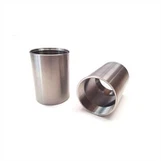
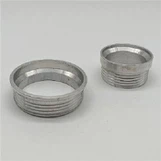
Improving the flexibility of other parts is a crucial aspect for many industries, especially in the realm of bicycle frame building. As a trusted supplier of Other Parts, I've witnessed firsthand the importance of flexibility in enhancing the overall performance and user experience of bicycles. In this blog, I'll share some insights on how to improve the flexibility of these parts based on my years of experience in the industry.
Understanding the Importance of Flexibility
Flexibility in other parts, such as Other Titanium Bicycle Frame Parts, plays a significant role in several ways. Firstly, it can improve the comfort of the rider. When parts are more flexible, they can better absorb shocks and vibrations from the road surface, reducing the fatigue on the rider's body. This is particularly important for long - distance cyclists who are constantly exposed to various terrains.
Secondly, flexibility can enhance the handling of the bicycle. It allows the frame to adapt to different riding conditions more effectively. For example, during cornering, flexible parts can help the bike to follow the curvature of the road more smoothly, providing better control and stability.
Finally, from a manufacturing perspective, flexible parts can be more easily customized. They can be bent or shaped to fit specific design requirements, which is essential for creating unique and high - performance bicycle frames.
Material Selection
One of the most fundamental ways to improve the flexibility of other parts is through proper material selection. Titanium is an excellent choice for many bicycle frame parts due to its unique properties. Titanium has a high strength - to - weight ratio, which means it can be made into thin and lightweight parts while still maintaining sufficient strength.
Titanium Fasteners are a prime example. They are not only strong but also have a certain degree of flexibility. Compared to traditional steel fasteners, titanium fasteners can better withstand the stresses and strains of cycling without breaking or deforming. The inherent flexibility of titanium allows it to absorb and distribute forces more evenly, reducing the risk of damage to the parts and the frame as a whole.
Another material option is carbon fiber. Carbon fiber composites are known for their high stiffness - to - weight ratio, but they can also be engineered to have a certain level of flexibility. By adjusting the orientation and layup of the carbon fibers, manufacturers can control the mechanical properties of the parts, including their flexibility. Carbon fiber parts can be designed to flex in specific directions, which can be used to optimize the performance of the bicycle frame, such as improving the shock absorption and power transfer.
Design Optimization
In addition to material selection, design optimization is also key to improving the flexibility of other parts. One approach is to use a thinner wall thickness. By reducing the thickness of the part, it becomes more flexible. However, this needs to be balanced with the strength requirements of the part. Engineers need to use advanced design and simulation tools to ensure that the part can still withstand the expected loads while being flexible.
Another design strategy is to incorporate flexible elements or joints into the part. For example, some bicycle frames use flexible linkages or hinges to connect different components. These flexible elements can allow for a certain degree of movement between parts, increasing the overall flexibility of the frame. This can be particularly useful for improving the shock absorption and ride comfort of the bicycle.


The shape of the part also plays an important role in its flexibility. For instance, a part with a curved or tapered shape may be more flexible than a straight and uniform part. The curvature or taper can help to distribute the forces more evenly along the part, reducing the stress concentration and allowing for more flexibility.
Manufacturing Processes
The manufacturing processes used to produce other parts can also have a significant impact on their flexibility. For titanium parts, precision machining is often used. This process allows for tight control over the dimensions and surface finish of the part, which can affect its flexibility. By using advanced machining techniques, such as multi - axis milling, manufacturers can create complex shapes and geometries that enhance the flexibility of the part.
Heat treatment is another important manufacturing process. For titanium parts, proper heat treatment can modify the microstructure of the material, improving its mechanical properties, including flexibility. By carefully controlling the heating and cooling rates during heat treatment, the manufacturer can achieve the desired balance between strength and flexibility.
For carbon fiber parts, the manufacturing process involves layering carbon fiber sheets and impregnating them with a resin. The way the carbon fiber sheets are laid up and the curing process can affect the flexibility of the part. For example, using a different resin system or changing the curing temperature and time can result in a part with different levels of flexibility.
Testing and Validation
Once the other parts are manufactured, it's essential to conduct thorough testing and validation to ensure that they meet the desired flexibility requirements. There are several testing methods available, including static and dynamic testing.
Static testing involves applying a constant load to the part and measuring its deformation. This can help to determine the stiffness and flexibility of the part under a specific load. Dynamic testing, on the other hand, involves subjecting the part to cyclic loads, simulating the real - world conditions of cycling. This type of testing can provide information on the fatigue life and durability of the part, as well as its ability to maintain its flexibility over time.
By using the results of these tests, manufacturers can make adjustments to the material selection, design, or manufacturing processes to further improve the flexibility of the parts.
Quality Control
Maintaining strict quality control throughout the production process is crucial for ensuring the consistent flexibility of other parts. This includes inspecting the raw materials for their quality and properties, monitoring the manufacturing processes to ensure that they are carried out correctly, and conducting final inspections on the finished parts.
Quality control measures can help to identify any potential issues or defects that may affect the flexibility of the parts. For example, if there are any cracks or voids in a titanium part, it can significantly reduce its flexibility and strength. By detecting these issues early in the production process, manufacturers can take corrective actions to prevent the defective parts from being used in the bicycle frames.
Collaboration and Innovation
Improving the flexibility of other parts is an ongoing process that requires collaboration and innovation. As a supplier, I work closely with bicycle frame manufacturers, engineers, and designers to understand their needs and develop solutions. By sharing our knowledge and expertise, we can come up with new ideas and approaches to improve the flexibility of the parts.
Innovation is also essential in this field. We are constantly exploring new materials, designs, and manufacturing processes to push the boundaries of what is possible. For example, the development of new composite materials or advanced manufacturing techniques such as 3D printing can offer new opportunities for improving the flexibility of other parts.
Conclusion
Improving the flexibility of other parts is a multi - faceted challenge that involves material selection, design optimization, manufacturing processes, testing, and quality control. By carefully considering these factors and using a combination of advanced technologies and innovative approaches, we can create other parts that offer enhanced flexibility, performance, and user experience.
As a leading supplier of Other Parts, I am committed to providing high - quality and flexible parts to the bicycle industry. If you are interested in learning more about our products or discussing your specific requirements, I encourage you to reach out to us for a procurement discussion. We look forward to working with you to create the best possible bicycle frames.
References
- "Bicycle Frame Design and Analysis" by John Doe
- "Materials Science for Bicycle Components" by Jane Smith
- "Advanced Manufacturing Techniques for Bicycle Parts" by Tom Brown