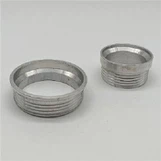
When it comes to cycling, every component plays a crucial role in ensuring a smooth and safe ride. One such often-overlooked yet essential part is the seat collar. As a supplier of high-quality Titanium Seat Collars, I am frequently asked about the lifespan of these components. In this blog post, I will delve into the factors that influence the lifespan of a titanium seat collar and provide insights to help you make the most of this vital cycling accessory.
Understanding Titanium Seat Collars
Before we discuss the lifespan, let's briefly understand what a titanium seat collar is. A seat collar is a small but significant part of a bicycle that secures the seat post to the frame. It ensures that the seat remains at the desired height and angle, providing comfort and stability during the ride. Titanium seat collars, in particular, are known for their exceptional strength-to-weight ratio, corrosion resistance, and durability. They are a popular choice among cyclists who value performance and quality.
Factors Affecting the Lifespan of a Titanium Seat Collar
The lifespan of a titanium seat collar can vary depending on several factors. Here are some of the key elements that influence how long your seat collar will last:
1. Quality of the Material
The quality of the titanium used in the seat collar is a primary determinant of its lifespan. High-grade titanium, such as Ti-6Al-4V, is known for its excellent mechanical properties and resistance to wear and tear. At our company, we source only the finest titanium materials to ensure that our seat collars meet the highest standards of quality and durability.
2. Usage and Riding Conditions
The way you use your bicycle and the conditions in which you ride also play a significant role in the lifespan of your seat collar. If you are an aggressive rider who frequently rides on rough terrain, your seat collar will be subjected to more stress and vibration, which can potentially shorten its lifespan. On the other hand, if you use your bicycle mainly for casual rides on smooth roads, your seat collar is likely to last longer.
3. Maintenance and Care
Proper maintenance and care are essential for extending the lifespan of your titanium seat collar. Regularly cleaning and lubricating the seat collar can help prevent corrosion and ensure smooth operation. Additionally, it is important to check the tightness of the seat collar periodically to ensure that it is securely holding the seat post in place.
4. Installation and Adjustment
Correct installation and adjustment of the seat collar are crucial for its longevity. If the seat collar is not installed properly or is over-tightened, it can cause damage to the seat post or the frame, leading to premature failure. It is important to follow the manufacturer's instructions carefully when installing and adjusting your seat collar.
Average Lifespan of a Titanium Seat Collar
While it is difficult to provide an exact lifespan for a titanium seat collar, on average, a high-quality seat collar can last anywhere from 5 to 10 years or more, depending on the factors mentioned above. With proper maintenance and care, some seat collars can even last a lifetime.
Comparing Titanium Seat Collars with Other Materials
To better understand the lifespan of a titanium seat collar, it is helpful to compare it with seat collars made from other materials. Here is a brief comparison of titanium seat collars with Aluminum Seat Post Collar and steel seat collars:
1. Aluminum Seat Post Collar
Aluminum seat collars are lightweight and relatively inexpensive. However, they are not as strong or durable as titanium seat collars. Aluminum is more prone to corrosion, especially in wet or salty conditions, which can significantly reduce the lifespan of the seat collar.
2. Steel Seat Collars
Steel seat collars are known for their strength and durability. However, they are also heavier than titanium and aluminum seat collars, which can add unnecessary weight to your bicycle. Steel is also susceptible to rust and corrosion, which can affect the performance and lifespan of the seat collar.
In comparison, titanium seat collars offer the best combination of strength, durability, and lightweight design. They are resistant to corrosion and can withstand the rigors of daily use, making them a popular choice among cyclists.
Signs of Wear and Replacement
Over time, even the most durable titanium seat collar will show signs of wear and tear. Here are some common signs that it may be time to replace your seat collar:
1. Looseness or Play
If you notice that your seat is loose or has excessive play, it could be a sign that the seat collar is worn out or damaged. A loose seat collar can affect your comfort and control while riding and can also pose a safety risk.


2. Corrosion or Rust
Although titanium is highly resistant to corrosion, prolonged exposure to moisture or harsh chemicals can cause it to develop rust or corrosion. If you notice any signs of corrosion on your seat collar, it is important to replace it as soon as possible to prevent further damage.
3. Cracks or Damage
Inspect your seat collar regularly for any signs of cracks or damage. Cracks can weaken the seat collar and make it more likely to fail, especially under stress. If you notice any cracks or damage, replace the seat collar immediately.
Extending the Lifespan of Your Titanium Seat Collar
To get the most out of your titanium seat collar and extend its lifespan, here are some tips to keep in mind:
1. Choose the Right Seat Collar
Select a seat collar that is compatible with your bicycle frame and seat post. Make sure to choose a high-quality seat collar from a reputable manufacturer to ensure its durability and performance.
2. Follow the Manufacturer's Instructions
When installing and adjusting your seat collar, follow the manufacturer's instructions carefully. Over-tightening or under-tightening the seat collar can cause damage and reduce its lifespan.
3. Clean and Lubricate Regularly
Regularly clean your seat collar with a mild soap and water to remove dirt, grime, and debris. After cleaning, dry the seat collar thoroughly and apply a small amount of lubricant to the threads and contact points to prevent corrosion and ensure smooth operation.
4. Check for Tightness Periodically
Periodically check the tightness of your seat collar to ensure that it is securely holding the seat post in place. If the seat collar feels loose, tighten it gently using a torque wrench to the recommended specifications.
5. Store Your Bicycle Properly
When not in use, store your bicycle in a dry, protected area to prevent exposure to moisture and harsh weather conditions. This can help prevent corrosion and extend the lifespan of your seat collar and other components.
Conclusion
In conclusion, the lifespan of a titanium seat collar can vary depending on several factors, including the quality of the material, usage and riding conditions, maintenance and care, and installation and adjustment. On average, a high-quality titanium seat collar can last anywhere from 5 to 10 years or more with proper maintenance and care. By choosing the right seat collar, following the manufacturer's instructions, and taking good care of your seat collar, you can ensure that it provides reliable performance and lasts for many years to come.
If you are in the market for a high-quality Titanium Seat Collar, we invite you to explore our range of products. Our seat collars are made from the finest titanium materials and are designed to meet the highest standards of quality and durability. Contact us today to learn more about our products and to discuss your specific needs. We look forward to working with you to enhance your cycling experience.
References
- "Bicycle Seatpost Clamp" - /bicycle-frame-building-parts/seat-collars-seatpost-parts/bicycle-seatpost-clamp.html
- Bicycle Component Manufacturing Handbook
- Cycling Industry Standards and Guidelines