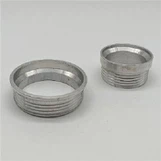
When it comes to the intricate world of bicycle design and performance, every component plays a crucial role in determining the overall riding experience. Among these components, dropouts - the part of the bicycle frame where the axles of the wheels are attached - are often overlooked, yet they can have a significant impact on a bike's maneuverability. As a supplier of Aluminum Dropouts, I've witnessed firsthand how these small but vital parts can transform a bike's handling characteristics. In this blog, we'll explore the impact of aluminum dropouts on a bike's maneuverability, delving into the science behind their design and performance.
Understanding Dropouts and Their Function
Before we dive into the specific impact of aluminum dropouts, it's essential to understand what dropouts are and what they do. Dropouts are located at the ends of the fork blades (front dropouts) and the rear frame (rear dropouts). Their primary function is to hold the wheels securely in place while allowing for easy removal and installation. This is crucial for maintenance, wheel changes, and transportation.
Dropouts come in various shapes, sizes, and materials, each with its own set of characteristics that can affect the bike's performance. The two most common types of dropouts are horizontal and vertical. Horizontal dropouts are typically used on single-speed and fixed-gear bikes, allowing for easy adjustment of the chain tension. Vertical dropouts, on the other hand, are more common on multi-speed bikes and provide a more secure and stable connection between the wheel and the frame.
The Advantages of Aluminum Dropouts
Aluminum is a popular choice for dropouts due to its unique combination of properties. It is lightweight, corrosion-resistant, and relatively inexpensive compared to other materials such as steel or titanium. These properties make aluminum dropouts an attractive option for both amateur and professional cyclists.
One of the primary advantages of aluminum dropouts is their weight. Aluminum is significantly lighter than steel, which can reduce the overall weight of the bike. A lighter bike is generally easier to maneuver, especially when climbing hills or accelerating. This is because less energy is required to move the bike, allowing the rider to focus more on their technique and less on the effort required to pedal.
In addition to being lightweight, aluminum dropouts are also highly corrosion-resistant. This is particularly important for bikes that are exposed to the elements, such as mountain bikes or commuter bikes. Corrosion can weaken the dropout over time, leading to a loss of strength and potentially causing the wheel to become loose. By using aluminum dropouts, cyclists can ensure that their bikes remain safe and reliable, even in harsh conditions.
Another advantage of aluminum dropouts is their cost. Aluminum is a relatively inexpensive material compared to other metals, making it a cost-effective option for bike manufacturers. This allows them to produce high-quality bikes at a lower price point, making cycling more accessible to a wider range of people.
Impact on Maneuverability
Now that we've explored the advantages of aluminum dropouts, let's take a closer look at how they impact a bike's maneuverability. Maneuverability refers to the ability of a bike to change direction quickly and easily. It is influenced by a variety of factors, including the bike's geometry, weight distribution, and the quality of its components.
One of the key ways that aluminum dropouts affect maneuverability is through their weight. As mentioned earlier, aluminum is a lightweight material, which can reduce the overall weight of the bike. A lighter bike is generally more responsive and easier to handle, especially when making quick turns or navigating tight corners. This is because the bike requires less force to change direction, allowing the rider to make more precise and controlled movements.
In addition to their weight, aluminum dropouts can also affect a bike's maneuverability through their stiffness. Stiffness refers to the ability of a material to resist deformation under load. A stiffer dropout will transfer more of the rider's power to the wheel, resulting in a more efficient and responsive ride. Aluminum dropouts are typically stiffer than steel dropouts, which can improve the bike's handling and performance, especially when riding at high speeds or on rough terrain.
Another factor that can affect a bike's maneuverability is the design of the dropout. Some aluminum dropouts are designed with specific features that can enhance the bike's handling characteristics. For example, some dropouts have a wider opening, which can make it easier to install and remove the wheel. Others have a more streamlined shape, which can reduce drag and improve the bike's aerodynamics.


Comparing with Other Materials
While aluminum dropouts offer many advantages, it's important to note that they are not the only option available. Other materials, such as steel and titanium, also have their own unique properties and can be used to create high-quality dropouts.
Steel dropouts are known for their strength and durability. They are typically heavier than aluminum dropouts, but they can withstand more abuse and are less likely to break or deform under load. Steel dropouts are often used on heavy-duty bikes, such as touring bikes or cargo bikes, where strength and reliability are essential.
Titanium dropouts, on the other hand, are lightweight, strong, and corrosion-resistant. They are also more expensive than aluminum or steel dropouts, but they offer a high level of performance and are often used on high-end bikes. You can learn more about Titanium Dropouts and Titanium Slider Dropout on our website.
When comparing aluminum dropouts with other materials, it's important to consider the specific needs and preferences of the rider. For most cyclists, aluminum dropouts offer a good balance of weight, strength, and cost, making them a popular choice for a wide range of bikes.
Conclusion
In conclusion, aluminum dropouts can have a significant impact on a bike's maneuverability. Their lightweight, corrosion-resistant, and stiff properties make them an attractive option for cyclists who are looking for a high-performance and reliable bike. By reducing the overall weight of the bike and improving its stiffness, aluminum dropouts can enhance the bike's handling and performance, allowing the rider to make more precise and controlled movements.
If you're in the market for a new bike or looking to upgrade your existing one, I encourage you to consider using aluminum dropouts. As a supplier of Aluminum Dropouts, I can offer you a wide range of high-quality dropouts that are designed to meet your specific needs and preferences. Whether you're a professional cyclist or a casual rider, I'm confident that you'll be impressed with the performance and quality of our products.
If you have any questions or would like to discuss your options further, please don't hesitate to contact us. We're here to help you find the perfect dropouts for your bike and to ensure that you have the best possible riding experience.
References
- Wilson, D. G. (2004). Bicycling Science. MIT Press.
- Herlihy, D. V. (2004). Bicycle: The History. Yale University Press.
- Ciamillo, M. (2018). The Bicycle Wheel. VeloPress.