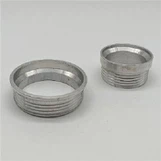
As a supplier of Other Parts, I've had numerous inquiries about the electrical conductivity requirements for these components. In this blog, I'll delve into the factors influencing the electrical conductivity requirements of other parts, real - world applications, and how our products meet these needs.
Understanding Electrical Conductivity
Electrical conductivity is a measure of a material's ability to conduct an electric current. It is the reciprocal of electrical resistivity. Metals are generally good conductors, while non - metals like rubber and plastics are insulators. For other parts, the electrical conductivity requirements vary widely based on their intended use.
Factors Influencing Electrical Conductivity Requirements
Application Environment
The environment in which the other parts will be used plays a crucial role in determining the electrical conductivity requirements. For example, in aerospace applications, parts need to have specific electrical conductivity to prevent electrostatic discharge (ESD). ESD can cause damage to sensitive electronic components on the aircraft. Our Other Titanium Bicycle Frame Parts are also designed to withstand different environmental conditions. In a wet cycling environment, proper electrical conductivity can help prevent corrosion caused by electrochemical reactions.
Function of the Part
The function of the part itself is another key factor. If a part is used for grounding purposes, it needs to have high electrical conductivity to efficiently transfer electrical charge to the ground. For instance, Titanium Fasteners used in electrical equipment enclosures may need to conduct electricity to ensure proper grounding and safety. On the other hand, if a part is used as an insulator, low electrical conductivity is required to prevent the flow of current.

Compatibility with Other Components
Other parts often need to be compatible with other electrical components in a system. If a part has an inappropriate electrical conductivity, it can disrupt the normal operation of the entire system. For example, in a circuit board, the electrical conductivity of the connectors and other small parts must be well - matched to ensure stable signal transmission.
Real - World Applications and Their Requirements
Electronics
In the electronics industry, electrical conductivity requirements are extremely strict. Components such as connectors, printed circuit board (PCB) traces, and heat sinks need to have high electrical conductivity to ensure efficient power transmission and signal transfer. For example, the copper traces on a PCB are designed to have very low resistivity to minimize power loss. Our other parts used in electronics are carefully selected and manufactured to meet these high - precision conductivity requirements.
Automotive
In the automotive industry, electrical conductivity is important for various parts. Battery terminals, wiring harnesses, and sensors all rely on proper electrical conductivity. For example, a battery terminal with poor conductivity can lead to power loss and reduced battery performance. Our automotive - grade other parts are engineered to maintain stable electrical conductivity under different temperature and vibration conditions.
Energy Sector
In the energy sector, including power generation and transmission, electrical conductivity is of utmost importance. Parts such as busbars, cables, and switchgear need to have high conductivity to minimize energy losses during power transmission. Our parts used in this sector are made from high - quality conductive materials to ensure efficient energy transfer.

How Our Products Meet the Requirements
Material Selection
We carefully select materials for our other parts based on their electrical conductivity properties. For parts that require high conductivity, we often use metals such as copper, aluminum, and silver. These metals have excellent electrical conductivity and can be easily fabricated into various shapes. For parts that need to be insulators, we use materials like ceramics and certain polymers.
Manufacturing Processes
Our manufacturing processes are optimized to ensure the desired electrical conductivity of the parts. For example, during the production of metal parts, we use precision machining and surface treatment techniques to reduce resistivity and improve conductivity. We also conduct strict quality control during the manufacturing process to ensure that each part meets the specified electrical conductivity requirements.
Testing and Certification
All our products undergo rigorous electrical conductivity testing before leaving the factory. We use advanced testing equipment to measure the conductivity of the parts accurately. In addition, our products are certified to meet international standards for electrical conductivity, ensuring their reliability and safety in different applications.
Conclusion
The electrical conductivity requirements for other parts are diverse and depend on multiple factors such as application environment, function, and compatibility with other components. As a professional Other Parts supplier, we are committed to providing high - quality products that meet these requirements. Our careful material selection, advanced manufacturing processes, and strict testing procedures ensure that our products can be used in various industries with confidence.
If you are interested in our products or have specific electrical conductivity requirements for other parts, please feel free to contact us for procurement and negotiation. We look forward to working with you to meet your needs.

References
- "Electrical Conductivity of Materials" - A textbook on materials science and engineering.
- Industry standards related to electrical conductivity in electronics, automotive, and energy sectors.