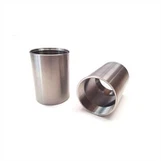
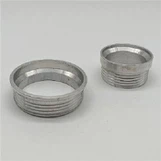
As a supplier of Head Tube Cups, I've witnessed firsthand the growing demand for these crucial components in the bicycle industry. However, with the increasing focus on sustainability and environmental responsibility, it's essential to examine the environmental impacts associated with their production. In this blog post, I'll delve into the various aspects of Head Tube Cups production and explore how we can mitigate their environmental footprint.
Raw Material Extraction and Processing
The production of Head Tube Cups typically begins with the extraction of raw materials, such as metals like steel, aluminum, or titanium. Each of these materials has its own environmental implications during the extraction and processing stages.
Steel
Steel is one of the most commonly used materials for Head Tube Cups due to its strength and affordability. However, the production of steel involves significant energy consumption and greenhouse gas emissions. The extraction of iron ore, the primary raw material for steel, requires large amounts of energy for mining, transportation, and processing. Additionally, the conversion of iron ore into steel through the blast furnace process emits substantial amounts of carbon dioxide.
Aluminum
Aluminum is another popular choice for Head Tube Cups due to its lightweight and corrosion-resistant properties. While aluminum has a lower energy intensity compared to steel during the production process, the extraction of bauxite, the primary source of aluminum, can have significant environmental impacts. Bauxite mining often involves large-scale deforestation, soil erosion, and water pollution. Moreover, the refining process of bauxite into aluminum requires a substantial amount of energy, primarily in the form of electricity.
Titanium
Titanium is a premium material known for its high strength-to-weight ratio and excellent corrosion resistance. However, the production of titanium is energy-intensive and environmentally challenging. The extraction of titanium ore involves complex chemical processes that require large amounts of energy and produce significant amounts of waste. Additionally, the production of titanium alloys often involves the use of rare earth elements, which are associated with environmental and social concerns.
Manufacturing Processes
Once the raw materials are extracted and processed, they are transformed into Head Tube Cups through various manufacturing processes, such as forging, machining, and heat treatment. These processes also have their own environmental impacts.


Forging
Forging is a common manufacturing process used to shape the raw materials into the desired form of Head Tube Cups. This process involves applying high pressure to the material to deform it into the desired shape. Forging requires a significant amount of energy, primarily in the form of heat, to heat the material to the appropriate temperature for deformation. Additionally, the forging process can generate waste materials, such as flash and scrap metal, which need to be properly managed.
Machining
Machining is another important manufacturing process used to refine the shape and dimensions of Head Tube Cups. This process involves removing material from the workpiece using cutting tools, such as drills, mills, and lathes. Machining requires energy to power the cutting tools and the machine tools themselves. Additionally, the machining process can generate waste materials, such as chips and coolant, which need to be properly disposed of.
Heat Treatment
Heat treatment is a critical process used to improve the mechanical properties of Head Tube Cups, such as hardness, strength, and toughness. This process involves heating the material to a specific temperature and then cooling it at a controlled rate. Heat treatment requires a significant amount of energy, primarily in the form of heat, to heat the material to the appropriate temperature. Additionally, the heat treatment process can generate waste materials, such as scale and oxidation products, which need to be properly managed.
Packaging and Transportation
Once the Head Tube Cups are manufactured, they are packaged and transported to the customers. The packaging and transportation processes also have their own environmental impacts.
Packaging
The packaging of Head Tube Cups typically involves the use of materials such as cardboard, plastic, and foam. These materials are often single-use and can contribute to waste generation. Additionally, the production of packaging materials requires energy and resources, which can have environmental implications.
Transportation
The transportation of Head Tube Cups from the manufacturing facility to the customers involves the use of various modes of transportation, such as trucks, trains, and ships. The transportation of goods by these modes of transportation requires energy and emits greenhouse gases, primarily carbon dioxide. Additionally, the transportation process can have other environmental impacts, such as noise pollution and air pollution.
Mitigating the Environmental Impacts
While the production of Head Tube Cups has significant environmental impacts, there are several strategies that we can adopt to mitigate these impacts.
Sustainable Material Selection
One of the most effective ways to reduce the environmental impact of Head Tube Cups production is to select sustainable materials. For example, we can choose to use recycled steel or aluminum instead of virgin materials. Recycling these materials requires less energy and produces fewer greenhouse gas emissions compared to the production of virgin materials. Additionally, we can explore the use of alternative materials, such as composites or bio-based materials, which have lower environmental impacts.
Energy Efficiency
Another important strategy to reduce the environmental impact of Head Tube Cups production is to improve energy efficiency. We can implement energy-efficient technologies and practices in our manufacturing processes, such as using high-efficiency furnaces, motors, and lighting systems. Additionally, we can optimize our production schedules to reduce energy consumption during off-peak hours.
Waste Management
Proper waste management is essential to reduce the environmental impact of Head Tube Cups production. We can implement waste reduction and recycling programs in our manufacturing facilities to minimize the amount of waste generated. For example, we can recycle scrap metal, chips, and coolant generated during the manufacturing process. Additionally, we can explore the use of waste-to-energy technologies to convert waste materials into energy.
Sustainable Packaging
We can also reduce the environmental impact of Head Tube Cups production by using sustainable packaging materials. For example, we can use biodegradable or recyclable materials, such as cardboard, paper, and bamboo, instead of single-use plastics. Additionally, we can optimize the packaging design to reduce the amount of material used and improve the efficiency of transportation.
Supply Chain Management
Finally, we can reduce the environmental impact of Head Tube Cups production by implementing sustainable supply chain management practices. We can work with our suppliers to ensure that they adopt sustainable practices in their production processes. Additionally, we can optimize our transportation routes and modes of transportation to reduce energy consumption and greenhouse gas emissions.
Conclusion
In conclusion, the production of Head Tube Cups has significant environmental impacts, primarily due to the extraction and processing of raw materials, the manufacturing processes, and the packaging and transportation processes. However, by adopting sustainable material selection, energy efficiency, waste management, sustainable packaging, and supply chain management practices, we can mitigate these impacts and contribute to a more sustainable future.
As a supplier of Head Tube Cups, we are committed to reducing the environmental impact of our production processes. We are constantly exploring new technologies and practices to improve the sustainability of our operations. If you are interested in learning more about our sustainable Head Tube Cups or would like to discuss a potential purchase, please feel free to contact us. We look forward to working with you to create a more sustainable future.
References
- American Iron and Steel Institute. (2023). Environmental Performance of the U.S. Steel Industry.
- Aluminum Association. (2023). Aluminum Sustainability.
- Titanium Metals Corporation. (2023). Titanium: The Sustainable Metal.
- United Nations Environment Programme. (2023). Sustainable Consumption and Production.
- World Business Council for Sustainable Development. (2023). Circular Economy.