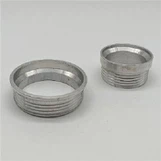
Hey there! As a dropout supplier, I've been diving deep into various aspects of dropouts, and today, I want to take a bit of a different turn and talk about dropout rates in environmental education. You might be wondering, what on earth do bike frame dropouts have to do with environmental education dropout rates? Well, stick around, and I'll draw some interesting parallels and give you the lowdown on this crucial topic.
First off, let's understand what we mean by dropout rates in environmental education. Environmental education is all about teaching people, from kids in schools to adults in community programs, about the environment, sustainability, and how we can all play a part in taking care of our planet. But just like in any educational field, there are students who start these courses but don't finish them. That's what we call the dropout rate.
So, what are the factors contributing to these dropout rates? One major factor is the lack of awareness and understanding of the importance of environmental education. A lot of people still see it as a nice - to - have rather than a must - have. They might think that it's all about hugging trees and doesn't have any real - world impact on their lives. But in reality, environmental education is crucial for our future. It helps us make informed decisions about things like energy consumption, waste management, and conservation.
Another reason could be the way environmental education is taught. Sometimes, the courses are too theoretical and don't engage students on a practical level. Imagine taking a class where you're just sitting in a room listening to lectures about climate change without ever getting a chance to do something hands - on, like planting a tree or conducting a water quality test. It can get pretty boring, right? And when it gets boring, students are more likely to drop out.
The lack of resources is also a big issue. Many schools and community centers don't have the funding or materials to offer high - quality environmental education programs. They might not have access to things like field trips, science equipment, or guest speakers who can bring the subject to life. Without these resources, it's hard to keep students interested and motivated.


Now, let's draw a parallel between bike frame dropouts and environmental education dropouts. Just like in environmental education, in the bike frame building world, there are different types of dropouts, each with its own characteristics. For example, we have the Titanium Slider Dropout. This type of dropout is known for its durability and adjustability. It's like the students who are really committed to environmental education. They have the resilience to stick with the course, no matter how challenging it gets, and they're adaptable to different learning situations.
Then there are the Aluminum Dropouts. Aluminum is lightweight and cost - effective, but it might not be as strong as titanium. In the context of environmental education, these could be the students who start with good intentions but might be more likely to drop out when faced with difficulties. Maybe they're easily distracted or don't have the support they need to stay in the course.
And of course, we have the Titanium Dropouts. Titanium is strong, corrosion - resistant, and high - end. These are like the students who are really passionate about environmental education. They're the ones who are likely to go the extra mile, maybe even pursue a career in the environmental field.
So, what can we do to reduce the dropout rates in environmental education? Well, we need to start by raising awareness. We can do this through social media campaigns, community events, and educational outreach programs. We need to show people that environmental education is not just about saving the planet; it's also about creating a better future for ourselves and our communities.
We also need to make environmental education more engaging and practical. Schools and community centers should focus on hands - on activities, such as outdoor projects, recycling initiatives, and environmental research. By getting students involved in real - world projects, we can make the learning experience more meaningful and memorable.
In addition, we need to invest in resources. Governments, non - profit organizations, and private companies should come together to provide funding for environmental education programs. This could include things like scholarships, grants for schools, and donations of equipment and materials.
As a dropout supplier, I know how important it is to have the right parts for a bike frame. Similarly, in environmental education, we need to have the right ingredients to make the program successful. We need passionate teachers, engaging curriculum, and adequate resources.
If you're interested in improving environmental education or if you're in the market for high - quality dropouts for your bike frame building projects, I'd love to have a chat. Whether it's about finding the perfect Titanium Slider Dropout, Aluminum Dropouts, or Titanium Dropouts, I'm here to help. Let's work together to build a better future, both for our bikes and for our planet.
References
- "Environmental Education: A Critical Review of the Literature" by [Author's Name]
- "The State of Environmental Education in the United States" report by [Organization Name]
- "Engaging Students in Environmental Education: Best Practices" by [Researcher's Name]