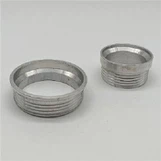
Replacing old tubing parts can be a crucial task for maintaining the functionality and safety of various systems, especially in the context of bicycle frame building. As a leading supplier of Tubings & Tubing Parts, I've witnessed firsthand the importance of proper replacement procedures. In this blog, I'll guide you through the process of replacing old tubing parts, providing you with valuable insights and practical tips.


Assessing the Need for Replacement
The first step in replacing old tubing parts is to assess the condition of the existing components. Look for signs of wear, damage, or corrosion. In bicycle frames, for example, cracks, dents, or excessive rust can compromise the structural integrity of the tubing. If you notice any of these issues, it's likely time for a replacement.
Inspect the joints and connections as well. Loose or damaged joints can lead to instability and poor performance. Pay close attention to areas where the tubing meets other components, such as the Titanium Headset Spacer or the Head Tube Cups. These parts play a critical role in the overall functionality of the frame, and any issues with them should be addressed promptly.
Choosing the Right Replacement Parts
Once you've determined that replacement is necessary, the next step is to choose the right parts. This is where our expertise as a Tubings & Tubing Parts supplier comes in handy. We offer a wide range of high-quality tubing parts, including Titanium Head Tubes, that are designed to meet the specific needs of your project.
When selecting replacement parts, consider the material, size, and compatibility. Different materials have different properties, such as strength, weight, and corrosion resistance. For example, titanium is known for its high strength-to-weight ratio and excellent corrosion resistance, making it a popular choice for bicycle frames. Make sure to choose a material that is suitable for your application.
The size of the tubing is also important. Measure the old tubing carefully to ensure that you select the correct size for the replacement. In addition, consider the compatibility of the replacement parts with the existing components. Some parts may require specific fittings or adapters to work properly, so make sure to check the specifications before making a purchase.
Preparing for the Replacement
Before you start the replacement process, it's important to prepare the workspace and gather the necessary tools. Make sure the area is clean and well-lit, and have all the tools you need within reach. Some common tools for replacing tubing parts include wrenches, pliers, a hacksaw, and a file.
If you're replacing a tubing part in a bicycle frame, you may also need to remove other components to access the tubing. For example, you may need to remove the handlebars, stem, and headset to replace the Titanium Head Tubes. Make sure to follow the manufacturer's instructions carefully when removing and reinstalling these components.
Removing the Old Tubing Parts
Once you've prepared the workspace and gathered the necessary tools, it's time to remove the old tubing parts. Start by disconnecting any connections or fittings that are attached to the tubing. This may involve loosening bolts, nuts, or clamps. Use the appropriate tools to avoid damaging the components.
If the tubing is welded in place, you may need to use a hacksaw or a cutting torch to remove it. Be careful when using these tools, as they can be dangerous. Make sure to wear appropriate safety gear, such as gloves and goggles, and follow the manufacturer's instructions carefully.
After removing the old tubing, clean the area where the new tubing will be installed. Remove any dirt, debris, or rust to ensure a proper fit. You may also need to file or sand the edges of the tubing to smooth them out.
Installing the New Tubing Parts
Once the old tubing has been removed and the area has been cleaned, it's time to install the new tubing parts. Start by fitting the new tubing into place. Make sure it aligns properly with the existing components and that there are no gaps or misalignments.
If the tubing requires welding, make sure to use the appropriate welding technique and equipment. Welding is a critical step in the installation process, and it's important to do it correctly to ensure the strength and integrity of the joint. If you're not experienced in welding, it's recommended that you seek the assistance of a professional welder.
After the tubing has been welded or otherwise installed, reconnect any connections or fittings that were removed earlier. Make sure to tighten the bolts, nuts, or clamps securely to ensure a proper fit.
Testing and Finishing
Once the new tubing parts have been installed, it's important to test the system to make sure it's working properly. In the case of a bicycle frame, this may involve riding the bike to check for any issues with the handling or performance. Make sure to pay attention to any unusual noises, vibrations, or movements.
If you notice any issues, make sure to address them promptly. This may involve adjusting the components or making further repairs. Once you're satisfied with the performance of the system, you can finish the installation by cleaning the area and applying any necessary coatings or finishes to protect the tubing from corrosion.
Conclusion
Replacing old tubing parts is an important task that requires careful planning and attention to detail. By following the steps outlined in this blog, you can ensure a successful replacement process and maintain the functionality and safety of your system.
As a Tubings & Tubing Parts supplier, we're committed to providing our customers with high-quality products and excellent customer service. If you have any questions or need assistance with replacing old tubing parts, please don't hesitate to contact us. We're here to help you find the right parts for your project and ensure a smooth installation process.
References
- Bicycle Frame Building Handbook
- Tubing and Fittings Installation Guide
- Welding Techniques for Tubing