Ensuring the smooth flow of fluid in tubings is a critical aspect in various industries, from automotive and aerospace to medical and manufacturing. As a reliable supplier of Tubings & Tubing Parts, I understand the importance of this issue and have accumulated a wealth of experience in providing solutions to guarantee seamless fluid flow. In this blog, I will share some key strategies and considerations that can help you achieve optimal fluid flow in your tubing systems.
Understanding the Basics of Fluid Flow in Tubings
Before delving into the methods of ensuring smooth fluid flow, it's essential to understand the fundamental principles governing fluid behavior in tubings. Fluid flow can be categorized into two main types: laminar and turbulent. Laminar flow occurs when the fluid moves in parallel layers with minimal mixing between them, resulting in a smooth and predictable flow pattern. Turbulent flow, on the other hand, is characterized by chaotic and irregular movement of the fluid, which can lead to increased friction, pressure drop, and potential damage to the tubing.
The type of fluid flow is determined by several factors, including the fluid's viscosity, density, velocity, and the diameter and roughness of the tubing. The Reynolds number (Re) is a dimensionless quantity used to predict the flow regime. A low Reynolds number (Re < 2000) indicates laminar flow, while a high Reynolds number (Re > 4000) suggests turbulent flow. Values between 2000 and 4000 represent a transition region where the flow can be either laminar or turbulent.
Selecting the Right Tubing Material
The choice of tubing material plays a crucial role in ensuring smooth fluid flow. Different materials have varying degrees of smoothness, chemical resistance, and flexibility, which can significantly impact the fluid's flow characteristics. Here are some common tubing materials and their suitability for different applications:
- Stainless Steel Tubing: Known for its excellent corrosion resistance, high strength, and smooth interior surface, stainless steel tubing is a popular choice for applications requiring a clean and reliable fluid flow. It is commonly used in the food and beverage, pharmaceutical, and chemical industries.
- Copper Tubing: Copper tubing is highly malleable and has good thermal conductivity, making it suitable for applications involving heat transfer. It is also resistant to corrosion and is often used in plumbing and HVAC systems.
- Plastic Tubing: Plastic tubing, such as PVC, polyethylene, and polypropylene, is lightweight, flexible, and cost-effective. It is commonly used in low-pressure applications, such as irrigation systems, pneumatic controls, and laboratory equipment.
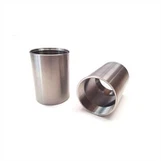
- Titanium Tubing: Titanium tubing offers exceptional strength-to-weight ratio, corrosion resistance, and biocompatibility. It is often used in aerospace, medical, and marine applications where high performance and reliability are required. For example, our Titanium Head Tubes are made from high-quality titanium, ensuring smooth fluid flow and long-lasting performance.
Optimizing Tubing Design
In addition to selecting the right tubing material, optimizing the tubing design is essential for ensuring smooth fluid flow. Here are some design considerations to keep in mind:
- Diameter and Length: The diameter of the tubing affects the fluid's velocity and pressure drop. A larger diameter tubing generally results in lower fluid velocity and less pressure drop, but it may also increase the cost and space requirements. The length of the tubing should be minimized to reduce friction and pressure loss.
- Bends and Fittings: Bends and fittings in the tubing can cause turbulence and increase pressure drop. To minimize these effects, use smooth bends with a large radius and avoid sharp angles. Additionally, choose fittings that are designed to minimize flow disruption, such as elbow fittings with a gradual curvature.
- Surface Finish: A smooth interior surface finish reduces friction and promotes laminar flow. Tubing with a polished or electropolished surface finish is recommended for applications where smooth fluid flow is critical.
- Support and Installation: Proper support and installation of the tubing are essential to prevent sagging, kinking, and vibration, which can disrupt the fluid flow. Use appropriate hangers, clamps, and brackets to secure the tubing and ensure it is installed in a straight and level manner.
Maintaining Tubing Integrity
Regular maintenance and inspection of the tubing system are crucial for ensuring smooth fluid flow and preventing costly downtime. Here are some maintenance tips to keep in mind:
- Cleaning: Over time, dirt, debris, and contaminants can accumulate inside the tubing, causing blockages and reducing flow efficiency. Regular cleaning of the tubing using appropriate cleaning agents and techniques can help remove these deposits and maintain optimal flow.
- Inspection: Periodically inspect the tubing for signs of damage, such as cracks, leaks, or corrosion. Replace any damaged tubing or fittings immediately to prevent further problems.
- Pressure Testing: Conduct pressure testing of the tubing system to ensure it can withstand the required operating pressure without leaking or failing. This can help identify potential issues before they cause significant problems.
- Monitoring: Install flow meters, pressure gauges, and temperature sensors in the tubing system to monitor the fluid's flow rate, pressure, and temperature. This can help detect any changes in the system's performance and allow for timely adjustments.
Using Appropriate Tubing Parts
In addition to the tubing itself, using appropriate tubing parts can also help ensure smooth fluid flow. Here are some examples of tubing parts that can enhance the performance of your tubing system:


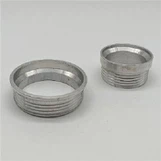
- BB30 Press Fit Shell: The BB30 Press Fit Shell is a critical component in bicycle frame building. It provides a secure and precise fit for the bottom bracket, ensuring smooth rotation of the crankset and efficient power transfer.
- Head Tube Cups: Head Tube Cups are used to support the headset bearings in a bicycle frame. They help maintain the alignment of the fork and ensure smooth steering.
Conclusion
Ensuring the smooth flow of fluid in tubings is a complex but essential task that requires careful consideration of various factors, including tubing material, design, maintenance, and the use of appropriate tubing parts. By following the strategies and tips outlined in this blog, you can optimize the performance of your tubing system and minimize the risk of flow disruptions and downtime.
As a leading supplier of Tubings & Tubing Parts, we are committed to providing high-quality products and expert advice to help you achieve your fluid flow goals. Whether you are in the automotive, aerospace, medical, or any other industry, we have the experience and expertise to meet your specific needs. If you have any questions or would like to discuss your tubing requirements, please feel free to contact us. We look forward to working with you to ensure the smooth flow of fluid in your tubing systems.
References
- White, F. M. (2016). Fluid Mechanics (8th ed.). McGraw-Hill Education.
- Incropera, F. P., DeWitt, D. P., Bergman, T. L., & Lavine, A. S. (2017). Fundamentals of Heat and Mass Transfer (7th ed.). Wiley.
- ASME B31.3 Process Piping Code. American Society of Mechanical Engineers.