When it comes to the intricate world of bicycle frame building, every component plays a crucial role in ensuring the overall performance, stability, and safety of the bike. Among these components, Head Tube Cups stand out as essential parts that demand careful consideration during installation. As a leading supplier of Head Tube Cups, I've witnessed firsthand the significance of proper alignment in the installation process. In this blog, we'll delve into the question: Do Head Tube Cups require any special alignment during installation?
Understanding the Role of Head Tube Cups
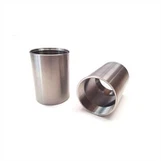
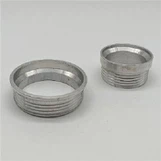
Before we discuss alignment, it's important to understand what Head Tube Cups are and what they do. The head tube is the part of the bicycle frame where the fork steerer tube is inserted, allowing the rider to steer the bike. Head Tube Cups are small, cup - shaped components that are installed at the top and bottom of the head tube. They provide a smooth, bearing - friendly surface for the headset bearings, which are responsible for enabling the fork to rotate freely within the head tube.
A well - functioning headset is vital for a bike's handling. If the headset is not operating smoothly, it can lead to increased friction, which makes steering difficult and can also cause premature wear on the bearings. This is where the proper installation and alignment of Head Tube Cups come into play.
The Importance of Alignment
Alignment during the installation of Head Tube Cups is not just a nice - to - have; it's a necessity. When Head Tube Cups are not aligned correctly, several problems can arise. Firstly, misaligned cups can cause the headset bearings to sit unevenly. This uneven seating leads to increased stress on certain parts of the bearings, which can result in rapid wear and tear. In severe cases, it can even cause the bearings to fail prematurely, leaving the rider with a dangerous and unrideable bike.
Secondly, misalignment can affect the bike's steering geometry. The head tube angle and the alignment of the fork within the head tube are carefully designed to provide optimal handling characteristics. If the Head Tube Cups are misaligned, it can throw off this geometry, making the bike feel unstable or difficult to control. This is especially critical for high - performance bikes, where precise handling is essential for both racing and everyday riding.
Special Alignment Requirements
So, do Head Tube Cups require special alignment during installation? The answer is a resounding yes. There are several aspects of alignment that need to be considered.
Axial Alignment
Axial alignment refers to the alignment of the Head Tube Cups along the axis of the head tube. The cups must be installed in such a way that they are perfectly parallel to each other. This ensures that the headset bearings will be seated evenly and that the fork will rotate smoothly within the head tube. To achieve proper axial alignment, a press - fit installation method is often used. A high - quality press tool is essential for this process, as it allows for precise control over the installation force and ensures that the cups are pressed in straight.
Radial Alignment
Radial alignment is about ensuring that the cups are centered within the head tube. If a cup is off - center, it can cause the bearings to be loaded unevenly, leading to the problems mentioned earlier. To check for radial alignment, a specialized alignment tool can be used. This tool typically consists of a mandrel that fits inside the head tube and a gauge that measures the distance between the mandrel and the inner surface of the cup. By adjusting the position of the cup during installation, the installer can ensure that it is centered within the head tube.
Angle Alignment
In addition to axial and radial alignment, the angle of the Head Tube Cups relative to the head tube also needs to be correct. The head tube has a specific angle that is designed to work in conjunction with the fork and other components of the bike. The cups must be installed at the same angle as the head tube to maintain the correct steering geometry. This requires careful measurement and adjustment during the installation process.
Installation Process and Alignment Checks
The installation of Head Tube Cups should be carried out with precision and care. Here is a general overview of the installation process and the alignment checks that should be performed:
- Prepare the Head Tube: The first step is to clean the inside of the head tube thoroughly. Any dirt, debris, or old adhesive can affect the fit and alignment of the cups. Use a suitable cleaning agent and a brush to remove all contaminants.
- Apply Adhesive: If the Head Tube Cups are designed to be installed with adhesive, apply a thin, even layer of the recommended adhesive to the inside of the head tube and the outside of the cups. Make sure to follow the manufacturer's instructions regarding the type of adhesive to use and the application process.
- Press the Cups: Using a press tool, carefully press the cups into the head tube. Start with the bottom cup and then move on to the top cup. Apply even pressure to ensure that the cups are pressed in straight. As you press the cups, periodically check for alignment using the appropriate tools.
- Check Axial Alignment: After the cups are pressed in, use a straightedge or a specialized alignment tool to check the axial alignment. The straightedge should rest evenly on the top of both cups, indicating that they are parallel to each other.
- Check Radial Alignment: Use a mandrel and a gauge to check the radial alignment. Insert the mandrel into the head tube and measure the distance between the mandrel and the inner surface of the cup at several points around the circumference. The measurements should be consistent, indicating that the cup is centered.
- Check Angle Alignment: To check the angle alignment, use a protractor or a specialized angle - measuring tool. Measure the angle of the cups relative to the head tube and make any necessary adjustments.
Factors Affecting Alignment
Several factors can affect the alignment of Head Tube Cups during installation. One of the most common factors is the quality of the head tube itself. If the head tube is not straight or has irregularities in its internal diameter, it can make it difficult to install the cups correctly. This is why it's important to source high - quality head tubes from reputable suppliers.


Another factor is the installation tools. Using low - quality or improper tools can lead to misalignment. For example, a press tool that is not calibrated correctly can apply uneven pressure, causing the cups to be installed at an angle. It's essential to invest in high - quality, precision - made installation tools to ensure accurate alignment.
Compatibility with Other Components
It's also important to consider the compatibility of Head Tube Cups with other components of the bike, such as the BB30 Press Fit Shell and the Bottom Bracket Shell. The overall frame design and the interaction between different components can impact the alignment requirements of the Head Tube Cups. For example, a bike with a non - standard bottom bracket design may have different frame geometry, which can in turn affect the head tube alignment.
Conclusion
In conclusion, Head Tube Cups do require special alignment during installation. The proper alignment of these cups is crucial for the smooth operation of the headset, the longevity of the bearings, and the overall handling of the bike. By understanding the importance of alignment and following the correct installation procedures, bike builders can ensure that their bikes perform at their best.
As a supplier of high - quality Head Tube Cups, we are committed to providing our customers with the best products and support. If you are in the market for Head Tube Cups or have any questions about their installation and alignment, we encourage you to reach out to us. Our team of experts is always ready to assist you with your bicycle frame building needs. Whether you are a professional bike builder or a DIY enthusiast, we can help you find the right components and ensure that your bike is built to the highest standards. Contact us today to start a discussion about your procurement requirements and take your bike building projects to the next level.
References
- "Bicycle Frame Building: Principles and Practice" by Colin Laing
- "The Bicycle Wheel" by Jobst Brandt
- Manufacturer's installation guides for Head Tube Cups and related components