Hey there! I'm a supplier of Tubings & Tubing Parts, and I've seen my fair share of dirty, clogged, and just plain yucky tubings. Cleaning them effectively isn't just about making them look good; it's crucial for their performance and longevity. So, let's dive into how you can clean tubings like a pro.
Why Cleaning Tubings Matters
First off, why bother cleaning tubings at all? Well, over time, tubings can accumulate all sorts of gunk, like dirt, grime, rust, and even chemical residues. This buildup can restrict the flow of fluids or gases through the tubing, reducing its efficiency. In some cases, it can even lead to blockages, which can cause serious problems in your systems.
For example, in a bicycle frame, dirty Titainium Gr9 Seamless Tubing can affect the overall strength and performance of the bike. If the tubing is clogged, it might not be able to handle the stress and pressure as well as it should, which could lead to premature failure.
Pre - Cleaning Assessment
Before you start cleaning, it's important to assess the tubing. You need to know what type of tubing it is, what's inside it, and how dirty it is. Different materials require different cleaning methods. For instance, titanium tubings like Titanium Head Tubes are more corrosion - resistant than steel tubings, but they still need to be cleaned gently to avoid scratching.
Take a close look at the tubing. Is there visible dirt on the outside? Can you see any blockages or buildup inside? If possible, try to identify the type of contaminants. Is it grease, oil, or something else? This information will help you choose the right cleaning products and techniques.
Gathering the Right Tools
Once you've assessed the tubing, it's time to gather your tools. Here are some basic tools you'll need:
- Brushes: Different sizes of brushes are essential. You'll need small, thin brushes to get into the inside of the tubing and larger brushes for the outside.
- Cleaning Solutions: Depending on the type of contaminants, you might need a mild detergent, a degreaser, or a specialized cleaning solution. Make sure the solution is compatible with the tubing material.
- Rags or Cloths: For wiping down the tubing after cleaning.
- Pressure Washer or Air Compressor: These can be used to remove stubborn dirt and debris from the inside of the tubing.
Cleaning the Outside of the Tubing
Let's start with the outside. First, use a dry cloth or brush to remove any loose dirt and debris. Then, mix a mild detergent with water in a bucket. Dip a cloth or sponge into the soapy water and gently scrub the outside of the tubing. Pay special attention to any areas with heavy buildup.
If there are stubborn stains, you can use a degreaser. Apply the degreaser to a cloth and rub it on the stain. Let it sit for a few minutes before wiping it off. Rinse the tubing thoroughly with clean water to remove any soap or degreaser residue.
Cleaning the Inside of the Tubing
Cleaning the inside of the tubing can be a bit more challenging. If the tubing isn't too dirty, you can start by flushing it with clean water. Use a hose or a pressure washer to force water through the tubing. This can help remove loose dirt and debris.
For more stubborn buildup, you might need to use a cleaning solution. Fill a container with the appropriate cleaning solution and submerge one end of the tubing in it. Use a pump or a syringe to draw the solution into the tubing and let it sit for a while. This will allow the solution to break down the contaminants.
After letting the solution sit, use a brush to scrub the inside of the tubing. You can insert the brush into the tubing and move it back and forth to dislodge the dirt. If the tubing is long, you might need to use a flexible brush or a cable brush.
Once you've scrubbed the inside of the tubing, flush it again with clean water to remove the cleaning solution and any remaining dirt. You can use a pressure washer or an air compressor to blow out any excess water.
Special Considerations for Tubing Parts
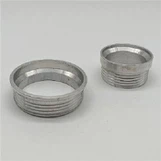
When it comes to tubing parts like Head Tube Cups, they require special attention. These parts are often small and have intricate designs, so you need to be extra careful when cleaning them.
Use a small brush and a mild cleaning solution to clean the head tube cups. Make sure to get into all the nooks and crannies. After cleaning, dry them thoroughly to prevent rust and corrosion.


Drying the Tubing
Drying the tubing is just as important as cleaning it. Moisture can lead to rust and corrosion, especially if the tubing is made of metal. After cleaning, use a dry cloth to wipe down the outside of the tubing. For the inside, you can use an air compressor to blow out any remaining water.
If possible, let the tubing air - dry in a well - ventilated area. Avoid storing the tubing in a damp or humid place.
Inspection After Cleaning
Once the tubing is dry, inspect it again. Check for any remaining dirt or debris, and make sure the tubing is clean both inside and out. Look for any signs of damage, such as scratches or dents. If you notice any damage, you might need to repair or replace the tubing.
Maintaining Clean Tubings
To keep your tubings clean and in good condition, it's important to establish a regular maintenance schedule. Clean the tubings periodically, even if they don't look dirty. This will prevent the buildup of contaminants and extend the life of the tubings.
Store the tubings in a clean, dry place. If possible, cover them to protect them from dust and dirt. Also, make sure to handle the tubings carefully to avoid scratching or damaging them.
Conclusion
Cleaning tubings effectively is a multi - step process that requires the right tools, the right cleaning solutions, and a bit of patience. By following these steps, you can ensure that your tubings are clean, functional, and long - lasting.
If you're in the market for high - quality Tubings & Tubing Parts, I'm here to help. Whether you need Titainium Gr9 Seamless Tubing, Titanium Head Tubes, or Head Tube Cups, I can provide you with top - notch products. Contact me to discuss your requirements and start a procurement negotiation.
References
- "Tubing Maintenance Handbook"
- "Cleaning Techniques for Industrial Tubings"