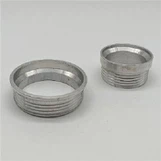
Hey there! As a supplier of Tubings & Tubing Parts, I often get asked about how to clean the inside of long tubings. It's a crucial task, especially if you're into building or maintaining things like bicycle frames. In this blog, I'll share some practical tips and methods to help you get those long tubings spick - and - span.
Why Cleaning Long Tubings is Important
Before we dive into the cleaning methods, let's talk about why it's so important to clean the inside of long tubings. Over time, dirt, debris, and even moisture can accumulate inside the tubings. This can lead to corrosion, which weakens the tubing and shortens its lifespan. In the case of bicycle frames, dirty tubings can also affect the performance of components that fit inside them, like BB30 Press Fit Shell and Head Tube Cups. So, regular cleaning is essential for both the longevity and performance of the tubings.
Tools You'll Need
First things first, you'll need to gather the right tools for the job. Here's a list of what you might need:
- Cleaning Solution: You can use a mild detergent or a specialized tubing cleaner. Avoid using harsh chemicals that could damage the tubing material.
- Long Brush: A long, flexible brush is ideal for reaching deep into the tubing. You can find brushes specifically designed for cleaning tubings at hardware or cycling stores.
- Compressed Air: A can of compressed air or an air compressor can be used to blow out loose dirt and debris.
- Rags or Towels: These are for drying the tubings after cleaning.
Step - by - Step Cleaning Process
Step 1: Prepare the Tubing
Before you start cleaning, make sure the tubing is detached from any other components if possible. This will give you better access to the inside of the tubing. If the tubing is part of a larger structure, like a bicycle frame, you may need to remove the relevant parts carefully.
Step 2: Remove Loose Debris
Use compressed air to blow out any loose dirt, dust, or debris from the tubing. Start at one end of the tubing and work your way to the other. Hold the can of compressed air or the air compressor nozzle close to the opening of the tubing and give short, sharp bursts of air. This will dislodge a lot of the larger particles.
Step 3: Apply the Cleaning Solution
Mix your cleaning solution according to the instructions on the label. If you're using a mild detergent, just add a small amount to warm water. Pour the cleaning solution into the tubing. You can use a funnel to make sure you get it all inside. Let the solution sit in the tubing for a few minutes to loosen any stubborn dirt.
Step 4: Scrub the Inside
Insert the long brush into the tubing and start scrubbing. Move the brush back and forth and in a circular motion to reach all parts of the tubing's interior. You may need to apply a bit of pressure, especially if there's a lot of dirt buildup. If the tubing is very long, you can try using a rod or a flexible cable to attach the brush and help you reach deeper.
Step 5: Rinse the Tubing
Once you've scrubbed the inside of the tubing, pour clean water into the tubing to rinse out the cleaning solution and the loosened dirt. Repeat this process a few times until the water runs clear. You can also use a hose to flush out the tubing if it's large enough.
Step 6: Dry the Tubing
Use rags or towels to dry the inside of the tubing as much as possible. You can also use compressed air again to blow out any remaining moisture. Make sure the tubing is completely dry before you re - assemble any components or store it. This will prevent rust and corrosion.
Special Considerations for Different Tubing Materials
Different materials require different cleaning approaches. Here are some tips for common tubing materials:
Aluminum Tubings
Aluminum is a lightweight and popular material for bicycle frames. When cleaning aluminum tubings, avoid using abrasive cleaners or brushes that could scratch the surface. Stick to mild detergents and soft - bristled brushes. Also, make sure to dry the tubings thoroughly to prevent oxidation.
Steel Tubings
Steel tubings are strong and durable, but they are prone to rust. Use a rust - inhibiting cleaning solution if possible. After cleaning, you can apply a thin layer of oil or a rust - preventive coating to the inside of the tubing to protect it.
Carbon Fiber Tubings
Carbon fiber tubings are lightweight and high - performance. They are more delicate than aluminum or steel tubings. Use a gentle cleaning solution and a soft brush. Avoid using excessive force when scrubbing to prevent damaging the carbon fiber.
Tips for Hard - to - Reach Areas
Sometimes, there are areas inside the tubing that are really hard to reach. For example, if the tubing has bends or curves, it can be challenging to get the brush in there. One solution is to use a flexible cable with a small brush attached to the end. You can guide the cable through the bends and scrub the hard - to - reach areas. Another option is to use a cleaning wand with a rotating brush head. This can help you clean those tricky spots more effectively.
Maintaining Clean Tubings
Once you've cleaned your long tubings, it's important to maintain their cleanliness. Here are some tips:


- Regular Inspections: Check the inside of the tubings periodically for any signs of dirt or corrosion.
- Protect from the Elements: If the tubings are exposed to the elements, consider using covers or seals to keep dirt and moisture out.
- Proper Storage: Store the tubings in a dry, clean place. If possible, keep them in a protective case or wrapping.
Conclusion
Cleaning the inside of long tubings is not as difficult as it may seem. With the right tools, the proper cleaning process, and a bit of patience, you can keep your tubings in top condition. Whether you're building a bicycle frame or working on other projects that involve tubings, following these tips will ensure that your Bottom Bracket Shell and other components fit perfectly and perform well.
If you're in the market for high - quality Tubings & Tubing Parts, we're here to help. We offer a wide range of products that are suitable for various applications. Whether you need BB30 Press Fit Shell, Head Tube Cups, or Bottom Bracket Shell, we've got you covered. Reach out to us to start a procurement discussion and find the best solutions for your needs.
References
- "Bicycle Frame Building Handbook" - A comprehensive guide on bicycle frame construction and maintenance.
- Manufacturer's instructions for tubing materials and cleaning products.