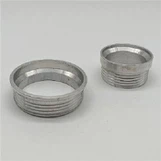
As a supplier of Titanium Brake Bridges, I've witnessed firsthand the significant role that weight distribution plays in the overall performance of a bike. In this blog post, I'll delve into how the weight distribution of a titanium brake bridge affects the bike, exploring various aspects from handling to speed and safety.
Understanding the Basics of a Titanium Brake Bridge
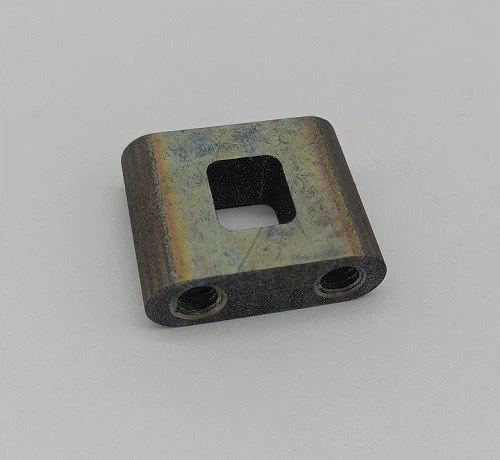
Before we discuss weight distribution, let's briefly understand what a titanium brake bridge is. A brake bridge is a crucial component of a bicycle frame, connecting the two sides of the rear triangle and providing a mounting point for the brakes. Titanium, known for its high strength - to - weight ratio, corrosion resistance, and durability, is an excellent material for brake bridges. It offers a lightweight yet robust solution that can withstand the rigors of cycling.
Impact on Handling
The weight distribution of a titanium brake bridge can have a profound impact on the bike's handling. When the brake bridge is too heavy, it can disrupt the bike's balance. A rear - heavy bike, for example, may be more difficult to steer, especially at high speeds or when making sharp turns. The front wheel may not have enough traction, leading to a feeling of instability.
On the other hand, if the brake bridge is too light, it may not contribute enough to the overall stability of the rear end. The bike might feel twitchy, and the rear wheel could be more prone to slipping during hard braking or acceleration. A well - balanced titanium brake bridge helps to evenly distribute the weight between the front and rear wheels, enhancing the bike's responsiveness and control.
For instance, in mountain biking, where riders need to navigate through rough terrains and make quick maneuvers, a properly weighted titanium brake bridge can make a huge difference. It allows the rider to maintain better control over the bike, whether they are climbing steep hills or descending at high speeds.
Influence on Speed
Weight distribution also affects the bike's speed. A bike with an optimal weight distribution, including the titanium brake bridge, can achieve better aerodynamics. When the weight is evenly spread, the bike is more streamlined, reducing air resistance. This means that the rider can maintain a higher speed with less effort.
Moreover, a balanced weight distribution helps in power transfer. When pedaling, the energy is more efficiently transferred from the rider to the wheels. If the brake bridge's weight is off - balance, it can cause the bike to wobble slightly, wasting some of the rider's energy. This is particularly important in competitive cycling, where every second counts.
In road cycling, for example, a lightweight and well - distributed titanium brake bridge can contribute to a smoother ride, allowing cyclists to reach and maintain higher speeds over long distances.

Safety Considerations
Safety is paramount when it comes to cycling, and the weight distribution of the titanium brake bridge plays a crucial role. A poorly weighted brake bridge can lead to uneven braking performance. If the rear end is too heavy, the rear brake may lock up more easily, causing the bike to skid. This is extremely dangerous, especially in wet or slippery conditions.
Conversely, if the rear end is too light, the front brake may bear too much of the braking load. This can lead to the front wheel lifting off the ground during hard braking, resulting in a potentially serious accident. A properly weighted titanium brake bridge ensures that the braking force is evenly distributed between the front and rear wheels, providing reliable and safe braking performance.
Customization and Weight Distribution
One of the advantages of titanium as a material for brake bridges is its flexibility in customization. As a supplier, we can adjust the weight of the titanium brake bridge according to the specific requirements of the bike and the rider. For example, for a downhill mountain bike, where stability and braking power are crucial, a slightly heavier brake bridge may be preferred. This helps to keep the rear end planted during high - speed descents and hard braking.
On the other hand, for a road racing bike, where speed and agility are the top priorities, a lighter titanium brake bridge can be designed. This allows for a more balanced weight distribution and better aerodynamics.
Complementary Components
When considering the weight distribution of a titanium brake bridge, it's also important to take into account the other components of the bike. The Titanium Brake Stud and Titanium Disc Brake Mount work in conjunction with the brake bridge. These components should also be carefully selected to ensure a harmonious weight distribution.
The Dropout Flat Mount is another important part of the braking system. Its weight and design can influence the overall balance of the bike, especially when combined with the titanium brake bridge. A well - integrated system of these components can optimize the bike's performance and handling.
Conclusion
In conclusion, the weight distribution of a titanium brake bridge has a far - reaching impact on the bike's handling, speed, and safety. As a supplier, we understand the importance of getting this right. Our team of experts is dedicated to designing and manufacturing titanium brake bridges that offer the perfect balance of weight and performance.
Whether you're a professional cyclist looking for that extra edge in a race or a recreational rider seeking a more comfortable and safe cycling experience, our titanium brake bridges can make a difference. If you're interested in learning more about our products or discussing your specific requirements, we encourage you to reach out to us for a procurement consultation. We're here to help you find the ideal titanium brake bridge for your bike.
References
- "Bicycle Science" by David Gordon Wilson
- "The Art of Bicycle Maintenance" by Park Tool Company
- Industry reports on bicycle component design and performance