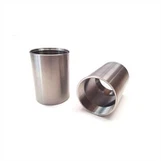
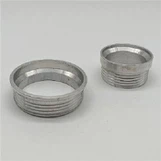
As a supplier of Titanium Dropouts, I've witnessed firsthand the intricate relationship between these components and bike axles. This interaction is crucial for the overall performance, durability, and functionality of a bicycle. In this blog, I'll delve into the science behind how titanium dropouts interact with bike axles, exploring the unique properties of titanium, the different types of dropouts, and the benefits they offer.
The Properties of Titanium
Titanium is a remarkable metal known for its exceptional strength-to-weight ratio, corrosion resistance, and biocompatibility. These properties make it an ideal material for bicycle components, including dropouts. Titanium dropouts are lighter than their steel counterparts, which helps to reduce the overall weight of the bike. This is particularly beneficial for racing bikes and other high-performance applications where every gram counts.
In addition to its lightweight nature, titanium is also highly resistant to corrosion. This is important for bikes that are exposed to harsh weather conditions or used in wet environments. Unlike steel, titanium does not rust, which means that it will maintain its structural integrity and appearance over time. This makes titanium dropouts a long-lasting and reliable choice for bike frames.
Types of Dropouts
There are several different types of dropouts available, each designed to accommodate different types of axles and bike configurations. The most common types of dropouts include horizontal dropouts, vertical dropouts, and track dropouts.
- Horizontal Dropouts: Horizontal dropouts are the most traditional type of dropout and are commonly used on single-speed and fixed-gear bikes. They feature a horizontal slot that allows the rear wheel to be easily removed and installed. Horizontal dropouts also allow for some adjustment of the chain tension, which is important for bikes that do not have a derailleur.
- Vertical Dropouts: Vertical dropouts are the most common type of dropout used on modern bikes. They feature a vertical slot that holds the axle in place and prevents it from moving forward or backward. Vertical dropouts are typically used on bikes with derailleurs, as they provide a more stable and secure connection between the wheel and the frame.
- Track Dropouts: Track dropouts are similar to horizontal dropouts, but they are designed specifically for track bikes. They feature a wider slot that allows for a larger range of chain tension adjustment, which is important for track racing. Track dropouts also typically have a more aggressive angle, which helps to keep the chain tight and prevent it from slipping.
How Titanium Dropouts Interact with Bike Axles
The interaction between titanium dropouts and bike axles is a complex process that involves several factors, including the fit, the material properties, and the installation method.


- Fit: The fit between the dropout and the axle is crucial for ensuring a secure and stable connection. Titanium dropouts are typically machined to precise tolerances to ensure a perfect fit with the axle. This helps to prevent the axle from moving or shifting, which can cause the wheel to become loose or misaligned.
- Material Properties: The material properties of the titanium dropout and the axle also play a role in their interaction. Titanium is a relatively soft metal compared to steel, which means that it can deform slightly under load. This can help to absorb shock and vibration, which can improve the ride quality of the bike. However, it also means that titanium dropouts may require more careful handling and installation to prevent damage.
- Installation Method: The installation method of the axle in the dropout is also important for ensuring a secure and stable connection. Most titanium dropouts require the use of a special tool to install the axle, which helps to ensure that the axle is properly seated and tightened. It is important to follow the manufacturer's instructions carefully when installing the axle to prevent damage to the dropout or the axle.
Benefits of Titanium Dropouts
There are several benefits to using titanium dropouts on a bike, including:
- Lightweight: Titanium dropouts are significantly lighter than steel dropouts, which helps to reduce the overall weight of the bike. This can improve the bike's acceleration, handling, and performance.
- Corrosion Resistance: Titanium is highly resistant to corrosion, which means that titanium dropouts will not rust or corrode over time. This makes them a long-lasting and reliable choice for bike frames.
- Strength and Durability: Titanium is a very strong and durable metal, which means that titanium dropouts can withstand the stresses and strains of riding. This makes them a good choice for high-performance bikes and bikes that are used in harsh conditions.
- Aesthetics: Titanium has a unique and attractive appearance that can add a touch of style to a bike. Titanium dropouts are available in a variety of finishes, including polished, brushed, and anodized, which allows you to choose the look that best suits your bike.
Comparison with Aluminum Dropouts
While titanium dropouts offer many benefits, they are also more expensive than aluminum dropouts. Aluminum dropouts are a popular choice for many bike manufacturers because they are lightweight, strong, and relatively inexpensive. However, aluminum is not as corrosion-resistant as titanium, which means that aluminum dropouts may require more maintenance and care to prevent rust and corrosion.
If you are looking for a lightweight and durable dropout that offers excellent corrosion resistance, then titanium dropouts are the way to go. However, if you are on a budget and are willing to sacrifice some corrosion resistance for a lower price, then aluminum dropouts may be a better choice.
Titanium Slider Dropout
One type of titanium dropout that is gaining popularity is the titanium slider dropout. Titanium slider dropouts are designed to allow for easy adjustment of the chain tension on a single-speed or fixed-gear bike. They feature a sliding mechanism that allows the rear wheel to be moved forward or backward to adjust the chain tension.
Titanium slider dropouts offer several benefits over traditional horizontal dropouts, including:
- Easy Chain Tension Adjustment: Titanium slider dropouts make it easy to adjust the chain tension on a single-speed or fixed-gear bike. This can be especially useful for riders who like to change the gear ratio of their bike frequently.
- Improved Chainline: Titanium slider dropouts can help to improve the chainline of the bike, which can reduce wear and tear on the chain and drivetrain components.
- Better Performance: Titanium slider dropouts can improve the performance of the bike by allowing for a more precise adjustment of the chain tension. This can help to improve the acceleration, handling, and overall ride quality of the bike.
Conclusion
In conclusion, the interaction between titanium dropouts and bike axles is a complex process that involves several factors, including the fit, the material properties, and the installation method. Titanium dropouts offer several benefits over traditional steel dropouts, including their lightweight nature, corrosion resistance, and strength and durability. While they are more expensive than aluminum dropouts, they are a worthwhile investment for riders who are looking for the best possible performance and reliability from their bike.
If you are interested in learning more about Titanium Dropouts or Aluminum Dropouts, or if you are interested in purchasing Titanium Slider Dropout, please contact us to discuss your specific needs and requirements. We are a leading supplier of high-quality bicycle components and are committed to providing our customers with the best possible products and services.
References
- "Bicycle Frame Building: A Comprehensive Guide" by Lennard Zinn
- "The Bicycle Wheel" by Jobst Brandt
- "Bicycling Science" by David Gordon Wilson