As a supplier of Titanium Fasteners from [your region, if you like to add], I often get asked by folks in various industries, especially those in the high - performance bicycle building scene, about how to ensure the proper torque on titanium fasteners. Today, I'm gonna share my insights on this important topic.
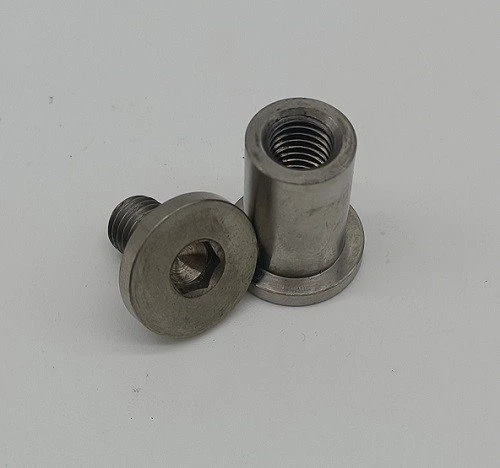

First off, let's understand why getting the right torque on titanium fasteners Titanium Fasteners is such a big deal. Titanium is a unique material. It's strong, lightweight, and resistant to corrosion, which makes it a top choice for numerous applications, including bicycle frames and aerospace components. But here's the catch: titanium has different mechanical properties compared to steel or aluminum. It has a relatively low modulus of elasticity, which means it can stretch more under load before reaching its yield point. And if you over - torque a titanium fastener, it can lead to permanent deformation, or in the worst - case scenario, failure.
So, how do we start ensuring the proper torque? Well, the first step is to refer to the manufacturer's specifications. Every titanium fastener we supply comes with a recommended torque value. These values are determined through extensive testing to ensure that the fastener can securely hold the parts together without causing damage. It's crucial to follow these guidelines precisely. For example, if you're working on a high - end bicycle frame and you're using our titanium bolts to attach the handlebars, using the wrong torque can literally mean the difference between a smooth ride and a dangerous situation.
Next, you need to invest in a good quality torque wrench. A torque wrench is your best friend when it comes to applying the correct amount of force. There are different types of torque wrenches available in the market: click - type, beam - type, and digital torque wrenches. As a supplier, I usually recommend digital torque wrenches for their accuracy. They allow you to set the desired torque value precisely and give you a clear indication when you've reached it. Remember, using a regular wrench and guessing the torque is a recipe for disaster, especially with titanium fasteners.
Another important factor is the surface condition of the fastener and the mating parts. Any dirt, grease, or corrosion on the threads can affect the torque application. For instance, if there's grease on the threads, it can reduce the friction between the fastener and the threaded hole, making it easier to over - torque the fastener. So, before you start tightening the titanium fastener, make sure to clean both the fastener and the mating parts thoroughly. You can use a mild solvent to remove any contaminants, and then dry them completely.
When applying torque, it's also important to use a consistent technique. Start by hand - tightening the fastener until it's snug. This helps to align the threads properly. Then, use your torque wrench to gradually increase the torque until you reach the recommended value. Don't just yank on the wrench all at once; apply the torque smoothly and steadily. And make sure to use the correct socket size for the fastener. A loose or ill - fitting socket can cause the wrench to slip, which not only makes it difficult to apply the correct torque but can also damage the fastener.
Now, let's talk about pre - loading. Pre - loading is the amount of tension that's applied to the fastener when it's tightened. It's important for maintaining the joint integrity and preventing the fastener from loosening over time. Titanium fasteners require a specific pre - load to work effectively. To achieve the right pre - load, you need to follow the torque - tightening sequence. For example, if you're using multiple titanium fasteners to secure a component, tighten them in a criss - cross pattern. This helps to distribute the load evenly across the joint and ensures that each fastener has the correct pre - load.
In some cases, you may also need to use a thread locker. A thread locker is a compound that's applied to the threads of the fastener to prevent it from loosening due to vibration. However, when using a thread locker with titanium fasteners, you need to be careful. Some thread lockers can react with titanium and cause corrosion. So, make sure to choose a thread locker that's specifically designed for use with titanium.
If you're a beginner at working with titanium fasteners, it's a good idea to practice on a sample fastener or a non - critical joint first. This way, you can get a feel for how much force is required and how the fastener behaves under torque. You can also consult with other professionals in the industry. As a Titanium Fasteners supplier, I'm always happy to answer any questions and provide guidance to our customers.
In addition to all these tips, it's important to keep in mind the environmental factors. For example, if you're working on a bicycle frame in a high - humidity environment, the fasteners may be more prone to corrosion. Regular inspection of the fasteners is essential to ensure that they're still in good condition. If you notice any signs of wear or damage, such as stripped threads or a deformed head, replace the fastener immediately.
When building custom bicycle frames, titanium fasteners are often used in conjunction with Other Titanium Bicycle Frame Parts. Ensuring the proper torque on these fasteners is vital for the overall performance and safety of the bicycle. For instance, if the fasteners holding the pedals are not torqued correctly, it can lead to a loose connection, which can affect the rider's pedaling efficiency and even pose a risk of injury.
To sum it up, ensuring the proper torque on titanium fasteners is all about following the manufacturer's specifications, using the right tools, maintaining the surface condition, and applying a consistent technique. It may seem like a technical process, but with a little practice and attention to detail, you can get it right every time.
If you're in the market for high - quality Titanium Fasteners or have any questions about torque application and other aspects of working with titanium, I'd love to hear from you. Whether you're a professional bicycle builder or a DIY enthusiast, we're here to support you. Reach out to us for a quote or to discuss your specific requirements. We have a wide range of Titanium Fasteners available, and our team of experts can provide you with all the information and guidance you need.
References
- "Materials Science and Engineering: An Introduction" by William D. Callister, Jr. and David G. Rethwisch.
- Industry standards and guidelines provided by titanium fastener manufacturers.