Hey there, cycling enthusiasts! As a supplier of Head Tube Cups, I've spent a ton of time diving into how these little components interact with headset bearings. It's a topic that might not seem super exciting at first glance, but trust me, it's crucial for the smooth operation of your bike.
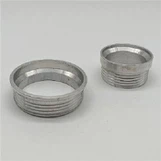
Let's start with the basics. Head Tube Cups are those small, circular pieces that fit into the top and bottom of the head tube on a bicycle frame. They're like the cradles for the headset bearings. The headset bearings, on the other hand, are the parts that allow the fork to rotate smoothly within the head tube. This rotation is what enables you to steer your bike, so you can see why getting this interaction right is a big deal.
When it comes to the physical interaction between Head Tube Cups and headset bearings, it's all about precision. The cups need to be machined to very tight tolerances to ensure a proper fit with the bearings. If the cups are too loose, the bearings won't be held securely, which can lead to play in the headset. This play can make steering feel sloppy and imprecise, and it can also cause premature wear on the bearings.
On the flip side, if the cups are too tight, it can be difficult to install the bearings, and it might even damage them. The bearings need to be able to sit snugly in the cups without being overly compressed. This allows them to rotate freely and evenly distribute the loads placed on them during normal riding.
Another important aspect of the interaction is the material of the Head Tube Cups. Different materials have different properties that can affect how they interact with the bearings. For example, steel cups are strong and durable, but they can be prone to rust if not properly protected. Aluminum cups, on the other hand, are lightweight and corrosion-resistant, but they might not be as strong as steel in some applications.
At our company, we offer a variety of Head Tube Cups made from different materials to suit the needs of different riders. Whether you're a casual cyclist looking for a reliable and affordable option or a serious racer in need of the lightest and strongest components, we've got you covered. You can check out our selection of Head Tube Cups on our website.
Now, let's talk about how the Head Tube Cups and headset bearings work together to handle the forces acting on the bike. When you're riding, there are several different types of forces that come into play. There's the weight of the rider and the bike itself, which creates a downward force on the headset. There's also the force of the steering input, which causes the fork to rotate within the head tube.
The Head Tube Cups and headset bearings need to be able to handle these forces without excessive wear or damage. The bearings are designed to roll smoothly under load, while the cups provide a stable platform for the bearings to sit on. This combination allows the fork to rotate freely and precisely, even under heavy loads.
In addition to the vertical and steering forces, there are also lateral forces that can affect the headset. These forces can come from things like cornering or hitting bumps in the road. The Head Tube Cups and headset bearings need to be able to resist these lateral forces to keep the fork aligned and the steering stable.
One way to improve the performance of the Head Tube Cups and headset bearings is to use high-quality components. At our company, we source our materials from the best suppliers and use state-of-the-art manufacturing processes to ensure that our Head Tube Cups are of the highest quality. We also offer a range of accessories, such as Titanium Headset Spacer, that can help to optimize the performance of your headset.
Another factor to consider is the installation of the Head Tube Cups and headset bearings. Proper installation is crucial for ensuring that the components work together correctly. If the cups are not installed correctly, it can lead to a variety of problems, including play in the headset, premature wear on the bearings, and even damage to the frame.
When installing the Head Tube Cups, it's important to use the right tools and follow the manufacturer's instructions carefully. The cups need to be pressed into the head tube with the correct amount of force to ensure a proper fit. It's also a good idea to use a bearing press to install the headset bearings to ensure that they are seated correctly in the cups.


Once the Head Tube Cups and headset bearings are installed, it's important to maintain them properly. Regular cleaning and lubrication can help to extend the life of the components and keep them performing at their best. It's also a good idea to check the headset for play periodically and make any necessary adjustments.
In conclusion, the interaction between Head Tube Cups and headset bearings is a critical aspect of bicycle performance. By understanding how these components work together and taking steps to ensure proper installation and maintenance, you can enjoy a smooth and precise steering experience on your bike.
If you're interested in learning more about our Head Tube Cups or have any questions about how they interact with headset bearings, please don't hesitate to contact us. We're always happy to help and look forward to discussing your needs and finding the right components for your bike.
References
- Bicycle Mechanics Handbook
- Cycling Science Journal