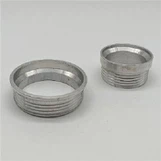
Determining whether your bicycle seatpost clamp is the right type for your seatpost is crucial for both the safety and comfort of your cycling experience. As a supplier of high - quality Bicycle Seatpost Clamps, I understand the importance of getting this match right. In this blog, I'll guide you through the key factors to consider when making this assessment.
Compatibility of Diameters
The most fundamental aspect of a seatpost clamp - seatpost match is the diameter. Seatposts come in a variety of diameters, commonly ranging from 25.4mm to 34.9mm. If the internal diameter of the seatpost clamp is larger than the seatpost diameter, it won't be able to hold the seatpost securely. This can lead to the seatpost slipping down during your ride, which is not only annoying but also dangerous.
Conversely, if the clamp's internal diameter is smaller than the seatpost, you won't be able to insert the seatpost at all. Before purchasing a seatpost clamp, you need to measure the diameter of your seatpost accurately. You can use a caliper for the most precise measurement.
As a supplier, we offer a wide range of seatpost clamps with different internal diameters to ensure compatibility with various seatposts. Our Bicycle Seatpost Clamp collection includes options for all the common seatpost diameters, so you can easily find the right one for your bike.
Material Compatibility
The materials of the seatpost and the seatpost clamp also play a significant role in their compatibility. Different materials have different properties, such as strength, weight, and corrosion resistance.
-
Aluminum: Aluminum seatpost clamps are popular because they are lightweight and relatively affordable. They are also corrosion - resistant, which is great for long - term use. If your seatpost is also made of aluminum, an Aluminum Seat Post Collar can be an excellent choice. The similar material properties ensure that they expand and contract at a similar rate with temperature changes, reducing the risk of the clamp loosening or damaging the seatpost.
-
Titanium: Titanium is a high - end material known for its exceptional strength - to - weight ratio. A Titanium Seat Collar is a great option if you have a titanium seatpost or if you want to upgrade your bike with a lightweight and durable clamp. However, titanium is more expensive than aluminum.
-
Steel: Steel seatpost clamps are strong and durable. They can handle a lot of stress, making them suitable for heavy - duty or mountain biking. But they are heavier than aluminum and titanium, and they may rust if not properly maintained.
Design and Functionality
The design of the seatpost clamp can also affect its compatibility with the seatpost. There are several types of seatpost clamps available on the market:
- Single - bolt clamps: These are the most common type of seatpost clamps. They are easy to use and adjust. You simply loosen the bolt, adjust the seatpost to the desired height, and then tighten the bolt. However, they may not provide as much clamping force as some other designs.
- Two - bolt clamps: Two - bolt clamps offer more even clamping force around the seatpost. This can result in a more secure hold, especially for larger - diameter seatposts. They are a bit more complex to adjust, but they are often preferred by cyclists who need a very stable seatpost position.
- Quick - release clamps: Quick - release clamps are convenient for cyclists who need to adjust the seatpost height frequently. You can quickly loosen and tighten the clamp without the need for tools. However, they may not be as secure as bolt - on clamps, especially if they are not tightened properly.
When choosing a seatpost clamp, consider how you will use your bike. If you are a casual rider who only adjusts the seat height occasionally, a single - bolt or two - bolt clamp may be sufficient. If you are a competitive cyclist or need to make frequent adjustments, a quick - release clamp might be a better choice.
Installation and Fit
Even if the diameter and material of the seatpost clamp seem right, proper installation is essential. A poorly installed seatpost clamp can lead to problems, such as the seatpost slipping or the clamp damaging the seatpost.
- Clean the surfaces: Before installing the seatpost clamp, make sure both the seatpost and the inside of the clamp are clean. Remove any dirt, grease, or debris that could prevent a good fit.
- Use the right tools: Use the appropriate tools to tighten the bolts or quick - release mechanism. Over - tightening can damage the seatpost or the clamp, while under - tightening can result in a loose seatpost.
- Check the alignment: Ensure that the seatpost is properly aligned within the clamp. Misalignment can cause uneven stress on the seatpost, which may lead to cracking or other damage over time.
Visual Inspection
After installation, perform a visual inspection of the seatpost clamp. Check for any signs of damage, such as cracks or deformation. Make sure the clamp is evenly tightened around the seatpost. You can also give the seat a gentle shake to see if there is any movement. If the seatpost moves or wobbles, the clamp may not be the right type or may not be installed correctly.


Conclusion
In conclusion, determining if your bicycle seatpost clamp is the right type for your seatpost involves considering factors such as diameter compatibility, material compatibility, design, installation, and visual inspection. As a Bicycle Seatpost Clamp supplier, we are committed to providing high - quality products that meet the diverse needs of cyclists. Our wide range of seatpost clamps, including Aluminum Seat Post Collar, Bicycle Seatpost Clamp, and Titanium Seat Collar, ensures that you can find the perfect match for your seatpost.
If you are in the market for a new seatpost clamp or have any questions about our products, we invite you to contact us for procurement and further discussions. We look forward to helping you enhance your cycling experience with the right seatpost clamp.
References
- "Bicycle Maintenance Handbook" by Park Tool Company
- "The Ultimate Guide to Bicycle Components" by Sheldon Brown